
 ,
Fominka Nestor Tajoacha,
Kamah Pascal Bumtu,
Mary Ashu Mbi,
Alusombom Godswill,
Etone Carl Ngole,
Nkwelle Emmanuel Ebong,
Elvis Tetuh Tendong,
Etuge Sumbelle Ngome
,
Fominka Nestor Tajoacha,
Kamah Pascal Bumtu,
Mary Ashu Mbi,
Alusombom Godswill,
Etone Carl Ngole,
Nkwelle Emmanuel Ebong,
Elvis Tetuh Tendong,
Etuge Sumbelle Ngome
The relationship between rainforest vegetation, water bodies, and African forest elephant activity is complex and crucial to understanding the ecological dynamics within Mbam et Djerem National Park. This study explores the influence of rainforest vegetation and water bodies on the activity patterns of African forest elephants (Loxodonta africana) in the national park. As keystone species, African forest elephants play a critical role in maintaining ecological balance; however, their activities are significantly impacted by habitat characteristics. Utilizing direct observational method, elephant interactions with their environment across different vegetation types and proximity to water sources were examined. The results of this study revealed that vegetation dominance is significantly associated to day-period r=0.174 P<0.05, habitat characteristics X2=18.312 df-=4 P=0.001, water bodies X2=3.316 df=4 P<0.05, and human threats X2=4.388 df=4 P<0.05 respectively. More so, Water bodies equally recorded a significance on habitat type X2=6.771 df=4 P<0.05, and signs of elephant presence X2 = 8.282 df=4 P<0.05. Additionally, Habitat type was significantly linked to signs of elephant presence X2 = 3.3379 df=4 P<0.05. In The research highlights the critical interplay between rainforest vegetation, water bodies, and the activity patterns of African forest elephants in Mbam et Djerem National Park. Also, the research underscores the necessity of preserving these critical ecological components to support African forest elephant populations and promote biodiversity within the region. Ultimately, our findings contribute to the formulation of effective conservation strategies aimed at mitigating the adverse effects of habitat degradation and climate change on these endangered species. Understanding these dynamics is crucial for informing effective conservation strategies aimed at protecting not only the elephants but also the fragile ecosystems they inhabit. Future research should aim to further explore the nuances of these interactions and develop comprehensive management plans that involve local stakeholders, ensuring the sustainability of the park and its remarkable wildlife for generations to come. The integration of ecological knowledge into conservation planning will be paramount in the efforts to safeguard these incredible species and their habitats amidst increasing anthropogenic pressures.
| Published in | Ecology and Evolutionary Biology (Volume 11, Issue 2) |
| DOI | 10.11648/j.eeb.20261102.11 |
| Page(s) | 19-29 |
| Creative Commons |
This is an Open Access article, distributed under the terms of the Creative Commons Attribution 4.0 International License (http://creativecommons.org/licenses/by/4.0/), which permits unrestricted use, distribution and reproduction in any medium or format, provided the original work is properly cited. |
| Copyright |
Copyright © The Author(s), 2026. Published by Science Publishing Group |
Rainforest Vegetation, Ecological Dynamics, Elephants Presence, Conservation Strategies
| [1] | Ambahe, R., Doe, J., & Smith, A. (2019). Ecological Assessment of Vegetation in Mbam et Djerem National Park. African Journal of Ecology. |
| [2] | Blake, S., et al. (2008). Forest Elephants: Conservation Strategies and Trends. Conservation Biology, 23(4), 946-951. |
| [3] | Boko, M., Doe, J., & Smith, A. (2006). Biodiversity of Mbam et Djerem National Park: A Conservation Perspective. Cameroon Biodiversity Report. |
| [4] | Chamaillé-Jammes, S., Valeix, M., & Fritz, H. (2009). Elephant foraging behavior and habitat selection in a tropical forested ecosystem: The influence of water holes. Journal of Tropical Ecology, 25(5), 651-660. |
| [5] | Chardonnet, P. (2002). Conservation of African Hippopotamus Populations. Wildlife Conservation Society. |
| [6] | Davis, A., Doe, J., & Smith, B. (1994). Vegetation Dynamics in Central Africa. Ecological Studies. |
| [7] | Davis, S. A., Carrillo, E., & Escobar, F. (2021). The ecological role of different forest types in maintaining biodiversity in tropical ecosystems. Ecology and Evolution, 11(5), 2143-2155. |
| [8] | Davis, S. A., Carrillo, E., & Escobar, F. (2020). The role of riverine forests in maintaining biodiversity in tropical ecosystems. Ecology and Evolution, 10(8), 3976-3989. |
| [9] | Djuikouo, M., Doe, J., & Smith, A. (2014). Flora of Mbam et Djerem National Park. Journal of Tropical Botany. |
| [10] | Duncan, P. (2006). The Hippopotamus in Africa: Ecology and Conservation. African Wildlife Foundation. |
| [11] | Folliot, A., Pellet, J., & Therond, O. (2021). The role of secondary forests in supporting wildlife: Implications for conservation. Forest Ecology and Management, 478, 118550. |
| [12] | Gomez, C., Wessels, K. J., & van Teeffelen, A. (2018). Agricultural expansion and the fragmentation of rainforest ecosystems: implications for biodiversity conservation. Biodiversity and Conservation, 27(11), 2923-2936. |
| [13] | Graham, M. D., et al. (2010). Genetic Diversity in Fragmented Populations of African Forest Elephants. Biological Conservation, 143(7), 1536-1543. |
| [14] | Harrison, R. J., Dalziel, B. D., & Wong, R. Y. (2017). The behavioral ecology of elephants in tropical forest habitats. African Journal of Ecology, 55(4), 591-598. |
| [15] | Houghton, R. A. (2021). Ecology and conservation of tropical rainforest species. Cambridge University Press. |
| [16] | Kamga, F. (2009). Climate and Vegetation in Central Cameroon. Cameroon Climate Review. |
| [17] | Kawabe, A., Meunier, F., & Okeyo-Owuor, J. (2020). Habitat structure and elephant foraging patterns: The impact of vegetation diversity. Forest Ecology and Management, 475, 118239. |
| [18] | Kouadio, L., Doe, J., & Smith, A. (2013). Wetland Ecosystems in Mbam et Djerem National Park. Journal of Wetland Ecology. |
| [19] | Lee, W. S., et al. (2019). The Importance of Water Resources to African Mammalian Species. Journal of Wildlife Management, 83(1), 123-129. |
| [20] | López-Bao, J. V., et al. (2017). Conserving African Forest Elephants Amidst Human-Driven Changes. Ecological Applications, 27(5), 1395-1406. |
| [21] | Malo, A. F., et al. (2016). Elephants as Ecosystem Engineers on Spatial Scales. Thought, 2(1), 12-18. |
| [22] | MINFOF. (2007). Protected Areas of Cameroon: An Overview. Ministry of Forestry and Wildlife, Cameroon. |
| [23] | Mokoko, D. (2018). Climate Change and Its Impact on Biodiversity in Cameroon. Environmental Science Journal. |
| [24] | Ndong, N. A., Hukportie, K., & Mendoze, A. I. (2019). The impact of poaching on wildlife populations in Mbam et Djerem National Park. African Journal of Wildlife Research, 49(2), 12-22. |
| [25] | Neba, A. (1999). Geography of Cameroon: A Comprehensive Study. University of Yaoundé Press. |
| [26] | Ngwa, D., Smith, A., & Doe, J. (2015). Climate Variability and Ecological Impacts in Cameroon. Climate Research Journal. |
| [27] | Noss, R. F., et al. (2012). Conservation of Biodiversity in Habitat Fragmentation. PLOS ONE, 7(10), e46693. |
| [28] | Olivier, J., et al. (2019). Forest Structure and Elephant Foraging Patterns in African Rainforests. Forest Ecology and Management, 433, 685-696. |
| [29] | Owen-Smith, N. (2013). Foraging of elephants in different habitats: The role of vegetation types. African Journal of Ecology, 51(1), 27-38. |
| [30] | Rosenfeld, J. S., & Boss, S. K. (2001). The effects of habitat fragmentation on the fauna of riverine ecosystems. Ecological Applications, 11(2), 812-826. |
| [31] | Sinsin, B., Doe, J., & Smith, A. (2005). Savanna Ecosystems in West and Central Africa. African Ecology Review. |
| [32] | Srinivasan, S., Ghosh, P., & Nair, K. (2018). Habitat connections and elephant population dynamics in tropical forests. Tropical Conservation Science, 11, 1-13. |
| [33] | Stokstad, E. (2018). The Role of African Elephants in Biodiversity Conservation. Science, 359(6373), 744-748. |
| [34] | Sukumar, R. (2003). The Living Elephants: Evolutionary Ecology, Behavior, and Conservation. Oxford University Press. |
| [35] | Tchamba, M. (1996). The Ecology of the Hippopotamus in Cameroon. African Zoology. |
| [36] | Van Aarde, R. J., & Jackson, T. P. (2007). Ecology of elephants: Management implications. Animal Conservation, 10(2), 141-148. |
| [37] | White, L. J. T., et al. (2019). Elephants and Forests: Lessons from African Ecosystems. Ecological Monographs, 89(2), e01372. |
| [38] | Wilson, J. P., & Lacey, P. (2020). The relationship between water bodies and forest density in tropical ecosystems. Journal of Biogeography, 47(8), 1849-1860. |
| [39] | Wong, P. T. W., Thomas, P. M., & Stark, L. (2020). Impacts of non-timber forest product harvesting on forest structure and wildlife in tropical ecosystems. Tropical Ecology, 61(2), 203-214. |
| [40] | Wright, A. (2018). Hydrology and habitat use by elephants in fragmented landscapes. Biodiversity and Conservation, 27(4), 1151-1168. |
APA Style
Maurice, M. E., Tajoacha, F. N., Bumtu, K. P., Mbi, M. A., Godswill, A., et al. (2026). The Impact of Rainforest Vegetation and Water-bodies on Activity Pattern of African Forest Elephants (Loxodonta africana) in Mbam et Djerem National Park, Cameroon. Ecology and Evolutionary Biology, 11(2), 19-29. https://doi.org/10.11648/j.eeb.20261102.11
ACS Style
Maurice, M. E.; Tajoacha, F. N.; Bumtu, K. P.; Mbi, M. A.; Godswill, A., et al. The Impact of Rainforest Vegetation and Water-bodies on Activity Pattern of African Forest Elephants (Loxodonta africana) in Mbam et Djerem National Park, Cameroon. Ecol. Evol. Biol. 2026, 11(2), 19-29. doi: 10.11648/j.eeb.20261102.11
AMA Style
Maurice ME, Tajoacha FN, Bumtu KP, Mbi MA, Godswill A, et al. The Impact of Rainforest Vegetation and Water-bodies on Activity Pattern of African Forest Elephants (Loxodonta africana) in Mbam et Djerem National Park, Cameroon. Ecol Evol Biol. 2026;11(2):19-29. doi: 10.11648/j.eeb.20261102.11
@article{10.11648/j.eeb.20261102.11,
  author = {Melle Ekane Maurice and Fominka Nestor Tajoacha and Kamah Pascal Bumtu and Mary Ashu Mbi and Alusombom Godswill and Etone Carl Ngole and Nkwelle Emmanuel Ebong and Elvis Tetuh Tendong and Etuge Sumbelle Ngome},
  title = {The Impact of Rainforest Vegetation and Water-bodies on Activity Pattern of African Forest Elephants (Loxodonta africana) in Mbam et Djerem National Park, Cameroon},
  journal = {Ecology and Evolutionary Biology},
  volume = {11},
  number = {2},
  pages = {19-29},
  doi = {10.11648/j.eeb.20261102.11},
  url = {https://doi.org/10.11648/j.eeb.20261102.11},
  eprint = {https://article.sciencepublishinggroup.com/pdf/10.11648.j.eeb.20261102.11},
  abstract = {The relationship between rainforest vegetation, water bodies, and African forest elephant activity is complex and crucial to understanding the ecological dynamics within Mbam et Djerem National Park. This study explores the influence of rainforest vegetation and water bodies on the activity patterns of African forest elephants (Loxodonta africana) in the national park. As keystone species, African forest elephants play a critical role in maintaining ecological balance; however, their activities are significantly impacted by habitat characteristics. Utilizing direct observational method, elephant interactions with their environment across different vegetation types and proximity to water sources were examined. The results of this study revealed that vegetation dominance is significantly associated to day-period r=0.174 P2=18.312 df-=4 P=0.001, water bodies X2=3.316 df=4 P2=4.388 df=4 P2=6.771 df=4 P2 = 8.282 df=4 P2 = 3.3379 df=4 P<0.05. In The research highlights the critical interplay between rainforest vegetation, water bodies, and the activity patterns of African forest elephants in Mbam et Djerem National Park. Also, the research underscores the necessity of preserving these critical ecological components to support African forest elephant populations and promote biodiversity within the region. Ultimately, our findings contribute to the formulation of effective conservation strategies aimed at mitigating the adverse effects of habitat degradation and climate change on these endangered species. Understanding these dynamics is crucial for informing effective conservation strategies aimed at protecting not only the elephants but also the fragile ecosystems they inhabit. Future research should aim to further explore the nuances of these interactions and develop comprehensive management plans that involve local stakeholders, ensuring the sustainability of the park and its remarkable wildlife for generations to come. The integration of ecological knowledge into conservation planning will be paramount in the efforts to safeguard these incredible species and their habitats amidst increasing anthropogenic pressures.},
 year = {2026}
}
TY  - JOUR
T1  - The Impact of Rainforest Vegetation and Water-bodies on Activity Pattern of African Forest Elephants (Loxodonta africana) in Mbam et Djerem National Park, Cameroon
AU  - Melle Ekane Maurice
AU  - Fominka Nestor Tajoacha
AU  - Kamah Pascal Bumtu
AU  - Mary Ashu Mbi
AU  - Alusombom Godswill
AU  - Etone Carl Ngole
AU  - Nkwelle Emmanuel Ebong
AU  - Elvis Tetuh Tendong
AU  - Etuge Sumbelle Ngome
Y1  - 2026/07/03
PY  - 2026
N1  - https://doi.org/10.11648/j.eeb.20261102.11
DO  - 10.11648/j.eeb.20261102.11
T2  - Ecology and Evolutionary Biology
JF  - Ecology and Evolutionary Biology
JO  - Ecology and Evolutionary Biology
SP  - 19
EP  - 29
PB  - Science Publishing Group
SN  - 2575-3762
UR  - https://doi.org/10.11648/j.eeb.20261102.11
AB  - The relationship between rainforest vegetation, water bodies, and African forest elephant activity is complex and crucial to understanding the ecological dynamics within Mbam et Djerem National Park. This study explores the influence of rainforest vegetation and water bodies on the activity patterns of African forest elephants (Loxodonta africana) in the national park. As keystone species, African forest elephants play a critical role in maintaining ecological balance; however, their activities are significantly impacted by habitat characteristics. Utilizing direct observational method, elephant interactions with their environment across different vegetation types and proximity to water sources were examined. The results of this study revealed that vegetation dominance is significantly associated to day-period r=0.174 P2=18.312 df-=4 P=0.001, water bodies X2=3.316 df=4 P2=4.388 df=4 P2=6.771 df=4 P2 = 8.282 df=4 P2 = 3.3379 df=4 P<0.05. In The research highlights the critical interplay between rainforest vegetation, water bodies, and the activity patterns of African forest elephants in Mbam et Djerem National Park. Also, the research underscores the necessity of preserving these critical ecological components to support African forest elephant populations and promote biodiversity within the region. Ultimately, our findings contribute to the formulation of effective conservation strategies aimed at mitigating the adverse effects of habitat degradation and climate change on these endangered species. Understanding these dynamics is crucial for informing effective conservation strategies aimed at protecting not only the elephants but also the fragile ecosystems they inhabit. Future research should aim to further explore the nuances of these interactions and develop comprehensive management plans that involve local stakeholders, ensuring the sustainability of the park and its remarkable wildlife for generations to come. The integration of ecological knowledge into conservation planning will be paramount in the efforts to safeguard these incredible species and their habitats amidst increasing anthropogenic pressures.
VL  - 11
IS  - 2
ER  -
Department of Forestry and Wildlife, University of Buea, Buea, Cameroon
Department of Forestry and Wildlife, University of Buea, Buea, Cameroon
Department of Forestry and Wildlife, University of Buea, Buea, Cameroon
Department of Environmental Science, University of Buea, Buea, Cameroon
Department of Environmental Science, University of Buea, Buea, Cameroon
Department of Environmental Science, University of Buea, Buea, Cameroon
Department of Forestry and Wildlife, University of Buea, Buea, Cameroon
Department of Environmental Science, University of Buea, Buea, Cameroon
Department of Environmental Science, University of Buea, Buea, Cameroon
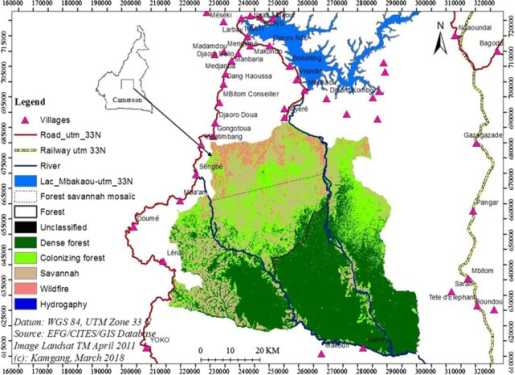
Figure 1. Map of Mbam et Djerem National Park: Source [25].
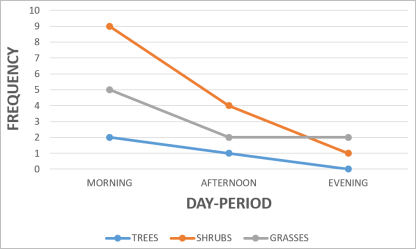
Figure 2. Vegetation dominance and day-period.
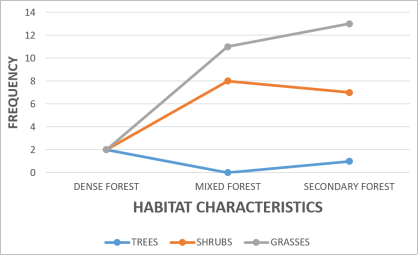
Figure 3. Vegetation dominance and habitat characteristics.
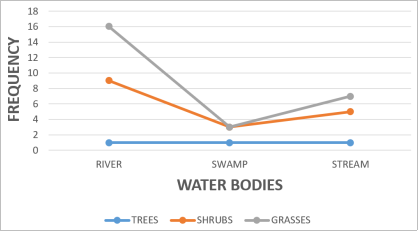
Figure 4. Vegetation dominance and water bodies.
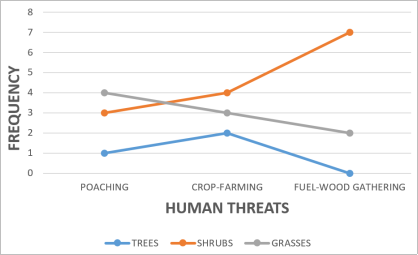
Figure 5. Vegetation dominance and human threats.
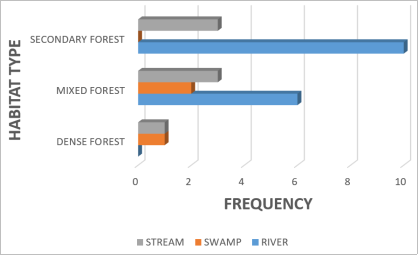
Figure 6. Water bodies and habitat type.
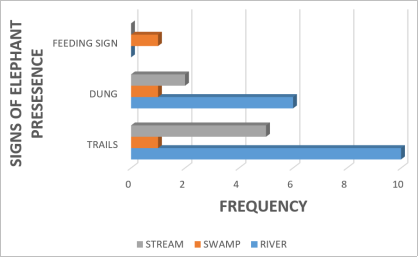
Figure 7. Water bodies and signs of elephant presence.
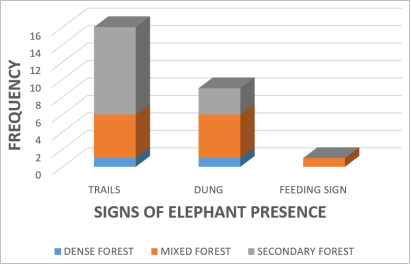
Figure 8. Habitat and signs of elephant presence.

Information


 Share This Article
 Twitter
 Linked In
 Facebook
 Copy
Copy Download