Research Article | | Peer-Reviewed

A Comprehensive Mixed-Method Evaluation Using the CIPP Model: Assessing Defence Services Medical Academy’s Educator Training Programme

Received: 23 June 2026     Accepted: 7 July 2026     Published: 17 August 2026
Views:       Downloads:
Abstract

Faculty development programmes are essential for improving educational quality and strengthening the competencies of medical educators. The Defence Services Medical Academy (DSMA) Educator Training Programme was established to enhance educators’ knowledge and skills in curriculum development, assessment, instructional design, educational technology, and medical education research. However, a comprehensive evaluation of the programme had not previously been conducted. This study aimed to evaluate the effectiveness of the DSMA Educator Training Programme using the Context, Input, Process, and Product (CIPP) evaluation model. A convergent mixed-methods design was employed among educators enrolled in the 2025 cohort of the programme. Quantitative data were collected from 19 participants using a structured questionnaire based on the CIPP framework and analysed using descriptive statistics. Qualitative data were obtained from six participants through focus group discussion and analysed using thematic analysis. Findings from both components were integrated to provide a comprehensive evaluation of programme effectiveness. Participants reported positive perceptions across all CIPP domains. The highest ratings were observed in the Process domain, particularly regarding facilitator support, participant engagement, and interactive learning experiences. Qualitative findings generated four themes corresponding to the CIPP dimensions and revealed that the programme was relevant to professional development needs, provided valuable learning support, promoted active participation, and enhanced competencies in curriculum design, assessment, educational technology, and educational research. Participants also recommended improvements in technological infrastructure, learning resources, and opportunities for practical application. The DSMA Educator Training Programme was perceived as an effective faculty development initiative that strengthened educators’ knowledge, confidence, and teaching competencies. The findings support continuation of the programme with targeted improvements to enhance its effectiveness and sustainability.

Published in Higher Education Research (Volume 11, Issue 4)
DOI 10.11648/j.her.20261104.13
Page(s) 109-119
Creative Commons

This is an Open Access article, distributed under the terms of the Creative Commons Attribution 4.0 International License (http://creativecommons.org/licenses/by/4.0/), which permits unrestricted use, distribution and reproduction in any medium or format, provided the original work is properly cited.

Copyright

Copyright © The Author(s), 2026. Published by Science Publishing Group

Keywords

CIPP Model, Faculty Development, Medical Education, Mixed-methods Study, Programme Evaluation

1. Introduction
The quality of medical education is central to strengthening health systems because competent medical educators are needed to support effective teaching, learning, assessment, and professional practice. Over recent decades, reforms in medical education have increasingly emphasized instructional design, faculty development, competency-based learning, professionalism, and early clinical exposure as important strategies for preparing medical students for clinical responsibilities . Within this context, educator training programmes are important because they strengthen pedagogical competence, curriculum planning, assessment literacy, and the ability of faculty members to respond to changing educational needs.
Evidence from previous studies indicates that faculty development programmes can improve teaching effectiveness and support professional growth. Dornan et al. and Treadway and Chatterjee highlighted the importance of experiential learning and clinical immersion, emphasizing the role of educators in facilitating meaningful learning experiences. Similarly, studies on faculty development and simulation-based education have shown that structured educational programmes can improve instructional practice, learner engagement, competency development, and alignment with educational outcomes . As simulation and technology-enhanced learning have become more prominent in medical education, educator training programmes have also expanded to include innovative teaching approaches that promote critical thinking, clinical decision-making, and learner-centred practice .
In response to these educational developments, the Defence Services Medical Academy (DSMA) established its Educator Training Programme in 2011. The programme was designed as a one-year blended learning course that combined distance education with face-to-face workshops. It covers key areas of medical education, including educational psychology, curriculum development, assessment strategies, communication skills, and instructional design. Over more than a decade of implementation, the programme has contributed to the development of educational capacity among medical educators within the institution.
The Context-Input-Process-Product (CIPP) evaluation model, developed by Stufflebeam , provides a comprehensive framework for programme evaluation. The model supports systematic assessment of programme relevance and needs (Context), adequacy of resources and planning (Input), quality of implementation (Process), and programme outcomes and impact (Product). Previous studies have applied the CIPP model in educational and health professions education settings, demonstrating its usefulness for identifying programme strengths, limitations, and areas requiring improvement .
Despite its longstanding implementation and institutional importance, the DSMA Educator Training Programme had not previously undergone a comprehensive evaluation using the CIPP framework. Given the continuing development of competency-based and technology-enhanced medical education, a systematic evaluation was needed to determine the programme's effectiveness and identify evidence-based recommendations for improvement. Therefore, this study evaluated the DSMA Educator Training Programme among the 2025 cohort of participants using the CIPP model by examining its context, input, process, and product dimensions.
2. Materials and Methods
2.1. Study Design
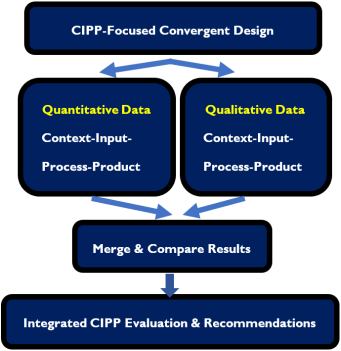
Figure 1. CIPP- Focused Convergent Design.
This study employed a convergent mixed-methods design to evaluate the Defence Services Medical Academy (DSMA) Educator Training Programme using the Context, Input, Process, and Product (CIPP) evaluation model. Quantitative and qualitative data were collected concurrently and integrated to provide a comprehensive assessment of programme effectiveness.
2.2. Study Setting and Participants
The study was conducted among educators enrolled in the 2025 cohort of the DSMA Educator Training Programme in Yangon, Myanmar. Nineteen educators participated in the quantitative survey. For the qualitative component, six participants were purposively selected to provide diverse perspectives on their learning experiences and perceptions of the programme.
2.3. Data Collection
Data were collected using a structured questionnaire and semi-structured interviews. The questionnaire, developed according to the CIPP framework, included demographic information and four evaluation domains: Context (7 items), Input (7 items), Process (9 items), and Product (10 items). Responses were recorded on a five-point Likert scale ranging from 1 (Strongly Disagree) to 5 (Strongly Agree). Focus group discussion (FGD) explored participants’ experiences, perceptions, challenges, and recommendations regarding the programme. Interviews were conducted in Myanmar language, audio-recorded with consent, transcribed verbatim, and translated into English.
2.4. Data Analysis
Data were collected using a structured questionnaire and semi-structured interviews. The questionnaire, developed according to the CIPP framework, included demographic information and four evaluation domains: Context (7 items), Input (7 items), Process (9 items), and Product (10 items). Responses were recorded on a five-point Likert scale ranging from 1 (Strongly Disagree) to 5 (Strongly Agree). Focus group discussion explored participants’ experiences, perceptions, challenges, and recommendations regarding the programme. Audio-recorded interviews were transcribed and organized using MAXQDA software. The data were subsequently analyzed through a systematic thematic analysis framework involving familiarization, coding, theme generation, and theme refinement. This method was employed to gain a comprehensive understanding of participants’ experiences, perceptions, and opinions related to the programme.
2.5. Ethical Considerations
Ethical approval was obtained from the Ethics Review Committee of the Defence Services Medical Academy (DSMA-ERB/2025/C-004). Written informed consent was obtained from all participants. Confidentiality, anonymity, and voluntary participation were maintained throughout the study.
3. Results
The findings are presented according to the Context, Input, Process, and Product (CIPP) evaluation framework. Quantitative data from 19 participants were analysed using descriptive statistics and are presented in five tables. Qualitative data from focus group discussion were analysed thematically, generating four themes corresponding to the four CIPP dimensions. Together, these findings provide a comprehensive evaluation of the DSMA Educator Training Programme.
3.1. Quantitative Findings
The quantitative analysis summarizes participants' evaluations of the Educator Training Programme across the four CIPP domains. Descriptive statistics were used to examine demographic characteristics and programme outcomes. Overall, participants reported favorable perceptions, reflecting the programme's relevance, effective implementation, and positive contribution to professional development.
Table 1. Demographic Characteristics of Participants (n = 19).

Variable

Category

n (%)

Sex

Male

19 (100.0)

Level of Education

Master

9 (47.4)

Doctorate/Ph.D

10 (52.6)

Specialty

Basic Science

3 (15.8)

Clinical

3 (15.8)

Paraclinical

11 (57.9)

Others

2 (10.5)

Current Position

Assistant Lecturer/Lecturerr

9 (47.4)

Associate Professor/Professors

5 (26.3)

Others

5 (26.3)

Age (years)

Mean ± SD

43.63 ± 3.13

Teaching Experience (years)

Mean ± SD

6.74 ± 5.29

The study involved 19 educators enrolled in the DSMA Educator Training Programme. Participants had a mean age of 43.63 ± 3.13 years and an average teaching experience of 6.74 ± 5.29 years. More than half possessed a Doctorate/Ph.D. degree (52.6%), while the remainder held a master’s degree. Paraclinical educators constituted the largest specialty group (57.9%). Regarding academic rank, Assistant Lecturers/Lecturers accounted for nearly half of the sample (47.4%), followed by Associate Professors/Professors and other positions (26.3% each). The sample represented educators with diverse academic backgrounds and professional experiences.
Table 2. Context Evaluation of the Educator Training Programme.

Item

Mean ± SD

Agreement (%)

Learning goals align with professional needs

4.32 ± 0.58

86.4

Expectations and outcomes clearly defined

4.32 ± 0.48

86.4

Relevant to current role

4.37 ± 0.50

87.4

Addresses key educational challenges

4.26 ± 0.45

85.2

Well-suited to medical education needs

4.37 ± 0.50

87.4

Responsive to changing healthcare education needs

4.32 ± 0.48

86.4

Course materials appropriate to objectives

4.11 ± 0.46

82.2

Participants expressed consistently positive perceptions regarding the contextual relevance of the programme. Agreement levels ranged from 82.2% to 87.4%, with the strongest endorsement given to the programmes’ relevance to current professional roles and its suitability to medical education needs. Ratings also indicated favorable perceptions of programme objectives, expected outcomes, and responsiveness to evolving healthcare education demands. While the appropriateness of course materials received the lowest rating within this domain, the score remained high. These findings reflect strong alignment between programme objectives and participants’ educational and professional needs.
Table 3. Input Evaluation of the Educator Training Programme.

Item

Mean ± SD

Agreement (%)

Course materials adequate for learning

3.68 ± 0.58

73.6

Resources sufficient to support learning

3.89 ± 0.46

77.8

Faculty knowledgeable and prepared

4.21 ± 0.54

84.2

Technological support sufficient

3.63 ± 0.60

72.6

Workshops well-structured

4.21 ± 0.63

84.2

Infrastructure supports learning

4.00 ± 0.67

80.0

Opportunities for interaction and collaboration

4.16 ± 0.37

83.2

Evaluation of programme inputs revealed generally favorable ratings across all indicators. Faculty preparedness and workshop organization received the highest agreement levels (84.2%), followed closely by opportunities for interaction and collaboration among participants (83.2%). Infrastructure support achieved an agreement level of 80.0%, whereas technological support and learning resources received comparatively lower ratings. Despite these differences, all input components were rated positively, with agreement percentages exceeding 70%. The findings indicate that participants considered the available resources, facilities, and instructional support adequate for effective programme implementation.
Table 4. Process Evaluation of the Educator Training Programme.

Item

Mean ± SD

Agreement (%)

Teaching methods engaging and effective

4.26 ± 0.45

85.2

Facilitators encourage participation

4.53 ± 0.51

90.6

Content delivered clearly and systematically

4.26 ± 0.45

85.2

Programme pace manageable

3.95 ± 0.40

79.0

Facilitators responsive and supportive

4.42 ± 0.51

88.4

Opportunities for hands-on practice

3.95 ± 0.40

79.0

Assessment methods aligned with goals

4.05 ± 0.40

81.0

Variety of teaching techniques used

4.21 ± 0.42

84.2

Encourages critical thinking and problem-solving

4.32 ± 0.48

86.4

Positive perceptions were reported regarding programme delivery and instructional processes. Facilitators’ encouragement of participation achieved the highest agreement percentage (90.6%), followed by facilitator responsiveness and support (88.4%). High ratings were also observed for teaching effectiveness, content organization, and promotion of critical thinking. Although lower scores were recorded for programme pace and hands-on practice opportunities, participants continued to rate these aspects favorably. The overall pattern of responses suggests that the instructional processes promoted active participation, learner engagement, and effective knowledge acquisition throughout the programme.
Table 5. Product Evaluation of the Educator Training Programme.

Item

Mean ± SD

Agreement (%)

Enhanced confidence as medical educator

4.42 ± 0.51

88.4

Improved curriculum design skills

4.26 ± 0.45

85.2

Improved use of educational technology

4.37 ± 0.50

87.4

Improved student assessment skills

4.26 ± 0.45

85.2

Better prepared for educational leadership

4.16 ± 0.50

83.2

Knowledge directly applicable to practice

4.37 ± 0.50

87.4

Greater confidence in providing feedback

4.42 ± 0.51

88.4

Improved integration of teaching methods

4.26 ± 0.45

85.2

Contributed to professional development

4.26 ± 0.45

85.2

Outcomes met expectations

4.37 ± 0.50

87.4

Evidence of positive programme outcomes was observed across all product indicators. Enhanced confidence as a medical educator and confidence in providing feedback achieved the highest agreement percentages (88.4%). Participants also reported improvements in curriculum development, educational technology utilization, student assessment, and application of acquired knowledge to teaching practice. Perceived preparation for educational leadership received the lowest rating, although agreement remained above 80%. Collectively, these findings demonstrate favourable participant perceptions regarding professional growth, educational competence, and achievement of intended programme outcomes.
3.2. Qualitative Findings: Thematic Analysis
Following the quantitative evaluation, qualitative data were collected through a focus group discussion to explore participants’ experiences and perceptions of the DSMA Educator Training Programme. The interview transcripts were analyzed using thematic analysis. Four major themes emerged from the data corresponding to the Context, Input, Process, and Product dimensions of the CIPP evaluation model.
3.2.1. Theme 1: Context – Alignment of the Programme with Professional Development Needs
Participants perceived that the Educator Training Programme was relevant to their professional roles and educational responsibilities. Many respondents reported that the programme enhanced their understanding of contemporary medical education concepts, including Outcome-Based Curriculum (OBC), Problem-Based Learning (PBL), Case-Based Learning (CBL), and Medical Education Research. Participants described how the programme addressed existing gaps in their educational knowledge and enabled them to participate more effectively in curriculum implementation and educational activities.
Several respondents indicated that the programme contributed to their academic development by improving their understanding of educational theories, research methodologies, literature searching, and presentation skills.
Respondent 01 stated:
“As teaching approaches and curricula continue to evolve, I attended the ME Course to better understand the Outcome-Based Curriculum currently implemented at DSMA and to be able to participate effectively in educational activities.”
Respondent 03 explained:
“Through the course, I gained a clearer understanding of Problem-Based Learning (PBL) and Case-Based Learning (CBL). In addition, I acquired essential knowledge that medical educators should possess.”
Overall, participants viewed the programme as relevant to their educational roles and professional development needs.
3.2.2. Theme 2: Input – Adequacy of Educational Resources and Learning Support
Participants generally expressed satisfaction with the educational resources and learning support provided throughout the programme. PowerPoint presentations, workshop materials, reference articles, and online learning resources were frequently mentioned as useful learning aids. Participants also appreciated opportunities to learn educational search strategies and the use of educational technologies.
Several respondents noted that the advance distribution of learning materials facilitated preparation before workshops. However, participants suggested that access to institutional internet services and online educational resources could be further improved.
Respondent 02 commented:
“Regarding educational resources, it would be more beneficial if institutional internet access and webpage access were available during the ME Course.”
Respondent 05 stated:
“The advance distribution of PowerPoint presentations and reference articles greatly facilitated the learning process.”
Participants also recommended allocating more time for discussions and providing additional practical examples to illustrate the application of educational theories in real teaching situations.
3.2.3. Theme 3: Process – Effective Facilitation and Interactive Learning Experiences
Participants described positive experiences regarding programme implementation and instructional processes. Group discussions, facilitator support, participant engagement, and interactive learning opportunities were frequently identified as strengths of the programme.
Respondents reported that group discussions promoted collaboration, active participation, and deeper understanding of educational concepts. Facilitators were perceived as approachable, supportive, and responsive to participants’ questions and learning needs. Participants particularly appreciated constructive feedback provided during educational research activities and proposal development.
Respondent 04 remarked:
“Group discussions encourage interactive learning among participants. Conducting group discussions after each lecture strengthens group dynamics and promotes deeper understanding of the subject matter.”
Respondent 05 recalled:
“One memorable experience was that a facilitator knew all participants by name and actively engaged them in discussions. This created a highly satisfying learning experience.”
Despite these positive experiences, some participants suggested reducing content overload, providing introductory sessions before workshops, and strengthening assessment procedures through mechanisms that detect plagiarism and AI-generated assignments.
3.2.4. Theme 4: Product-Enhanced Educational Competence and Professional Development
Participants reported that the programme contributed to improvements in their teaching practice, educational competence, and professional confidence. Many respondents described increased confidence in educational planning, assessment, curriculum development, and educational research activities.
Participants highlighted improvements in curriculum design, learning outcome development, assessment planning, literature searching, presentation skills, and educational leadership. Several respondents described applying newly acquired knowledge and skills directly within their own educational settings.
Respondent 06 explained:
“The course helped me develop practical skills. I was able to design learning outcomes, course content, timetables, and assessment methods effectively.”
Respondent 01 stated:
“After completing the course, I realized that viva questioning should not be incorporated into OSCE examinations. I also developed a much clearer understanding of the principles and guidelines of OSCE assessment.”
Participants also provided recommendations for future programme improvement, including increasing opportunities for two-way discussions, strengthening the integration between modules, and expanding discussions on locally appropriate educational technologies and teaching-learning resources.
Overall, participants reported positive educational and professional outcomes following completion of the programme and described multiple examples of applying their learning to educational practice.
4. Discussion
The Context evaluation showed strong alignment between the programme objectives and participants' professional and educational needs. Participants perceived the programme as relevant to their teaching responsibilities and to current medical education requirements. Qualitative findings further indicated that the programme enhanced participants' understanding of outcome-based education, curriculum design, and medical education research. These findings are consistent with Harden's view that curriculum planning should be aligned with intended educational outcomes and professional practice. They also support Bland et al.'s emphasis on aligning faculty development with institutional goals and stakeholder needs. From a programme evaluation perspective, the findings are also consistent with the CIPP model, which emphasizes the importance of identifying and responding to contextual needs . Lee et al. similarly noted that context evaluation helps determine whether educational programmes adequately address institutional and learner requirements.
The Input evaluation indicated generally favourable perceptions of programme resources and support systems, although technological support and learning resources received comparatively lower ratings. Participants valued faculty expertise, workshop organization, and learning materials, but recommended improved internet access, digital resources, and opportunities for practical application. These findings align with educational innovation and simulation literature, which emphasizes the importance of adequate infrastructure, technological support, and learning resources for successful programme implementation . Moghadas-Dastjerdi et al. also reported that institutional support and resource adequacy influence programme effectiveness and participant satisfaction. Similar resource-related concerns were identified in the DSMA Internal Quality Assurance evaluation .
The Process evaluation received the highest ratings across the four CIPP domains. Participants particularly valued facilitator encouragement, responsiveness, interaction, and support. Qualitative findings confirmed that group discussion, collaborative learning, and constructive feedback contributed to active engagement and deeper understanding. These findings are consistent with experiential learning perspectives that emphasize participation, reflection, and workplace learning in professional development . Treadway and Chatterjee also highlighted the importance of authentic educational experiences in promoting meaningful learning. In addition, Steinert et al. reported that effective faculty development programmes commonly include experiential learning, feedback, reflection, and peer interaction. The present findings also support Khaksar et al.'s view that effective implementation processes and participant engagement are important determinants of programme success.
The Product evaluation demonstrated positive outcomes in participants' confidence and educational competence. Participants reported improvements in curriculum development, assessment, educational technology, feedback provision, and application of medical education principles in practice. Qualitative findings provided further evidence that participants were applying newly acquired knowledge to curriculum planning, learning outcome development, assessment design, and educational leadership activities. These outcomes are consistent with evidence that faculty development programmes can improve teaching effectiveness, professional identity, and educational competence . Improvements in assessment and feedback competencies are also supported by Veloski et al. , while McGaghie et al. demonstrated that structured educational programmes can improve educational performance and competency development. Recent CIPP-based studies have reported comparable findings, showing that well-designed educational programmes can strengthen professional competence and educational quality .
The integration of quantitative and qualitative findings provided a comprehensive understanding of the programme's effectiveness. The two strands were complementary: quantitative findings demonstrated consistently positive perceptions across the CIPP domains, while qualitative findings explained how the programme supported learning, engagement, and practical application. This pattern is similar to recent DSMA studies on standard setting and internal quality assurance, in which qualitative evidence complemented quantitative results and generated practical recommendations for educational improvement .
5. Conclusions
This convergent mixed-methods evaluation demonstrated that the DSMA Educator Training Programme is an effective faculty development initiative that supports the professional growth of medical educators. Using the CIPP evaluation framework, the programme was positively perceived across the Context, Input, Process, and Product domains. Participants reported that the programme was relevant to their professional and educational needs, provided useful learning support, promoted active engagement, and enhanced competencies in curriculum development, assessment, educational technology, educational research, and teaching practice.
The integration of quantitative and qualitative findings indicates that the programme strengthened educators' confidence, knowledge, and ability to apply medical education principles in their own teaching contexts. Effective facilitation, collaborative learning opportunities, and supportive feedback were key strengths that contributed to meaningful learning experiences and positive educational outcomes.
Several areas require attention to improve the programme further. Future development should strengthen digital infrastructure and internet accessibility, expand access to educational and online learning resources, and increase opportunities for hands-on practice and application of educational concepts. Greater integration across modules, more interactive two-way discussions, and the inclusion of locally relevant educational technologies may further enhance learning. In addition, assessment procedures should be refined through clearer academic integrity measures and more structured feedback processes.
Overall, the findings support the continuation and further development of the DSMA Educator Training Programme as a sustainable strategy for building educational capacity among medical educators. Regular evaluation using the CIPP framework is recommended to guide continuous quality improvement, maintain relevance to emerging educational needs, and strengthen the programme's long-term effectiveness.
Abbreviations

AI

Artificial Intelligence

CBL

Case-Based Learning

CIPP

Context, Input, Process, and Product

DSMA

Defence Services Medical Academy

FGD

Focus Group Discussion

MAXQDA

Qualitative Data Analysis Software

ME

Medical Education

OBC

Outcome-Based Curriculum

OSCE

Objective Structured Clinical Examination

PBL

Problem-Based Learning

SD

Standard Deviation

SPSS

Statistical Package for the Social Sciences

Acknowledgments
We would like to express their sincere gratitude to the Rector of Defence Services Medical Academy (DSMA), Myanmar, for allowing to conduct this study. We are especially grateful to all educators who participated in the Educator Training Programme and generously shared their experiences and perspectives during the survey and focus group discussions. We also acknowledge the facilitators and administrative staff of the programme for their cooperation and assistance throughout the evaluation process. Their contributions were invaluable in completing this study and generating evidence to support the continuous improvement of faculty development initiatives.
Author Contributions
Tun Tun Naing: Conceptualization, Data Curation, Formal Analysis, Funding acquisition, Methodology, Project administration, Supervision, Validation, Writing – original draft, Writing – review & editing
Tayzar Hein: Data curation, Software, Formal Analysis, Investigation, Writing – original draft
Myint Thein Naing: Conceptualization, Methodology, Project administration, Resources, Visualization
Zaw Phyo: Data curation, Formal Analysis, Methodology, Software, Visualization, Writing – review & editing
Pyi Hein Kyaw: Data curation, Formal Analysis, Investigation, Software, Writing – original draft
Tin Tun: Conceptualization, Methodology, Supervision, Validation
Mo Mo Than: Conceptualization, Methodology, Supervision, Validation
Tin Tun: Conceptualization, Methodology, Supervision, Validation
Ye Phyo Aung: Conceptualization, Methodology, Supervision, Validation, Writing – review & editing
Data Availability Statement
The data is available from the corresponding author upon reasonable request.
Conflicts of Interest
The authors declare no conflicts of interest.
Supplementary Material

Below is the link to the supplementary material:

Supplementary Material 1

References
[1] Bland CJ, Starnaman S, Wersal L, Moorhead-Rosenberg L, Zonia S, Henry R. Curricular change in medical schools: How to succeed. Acad Med. 2000; 75(6): 575-94.
[2] Harden RM. The integration ladder: A tool for curriculum planning and evaluation. Med Educ. 2000; 34(7): 551-57.
[3] Liu C, Tang KP, Wang Y, Chiu C. Impacts of early clinical exposure on undergraduate student professionalism: A qualitative study. BMC Med Educ. 2022; 22: 473.
[4] Stern DT, editor. Measuring medical professionalism. Oxford: Oxford University Press; 2006.
[5] Dornan T, Littlewood S, Margolis SA, Scherpbier A, Spencer J, Ypinazar V. How can experience in clinical and community settings contribute to early medical education? A BEME systematic review. Med Teach. 2006; 28(1): 3-18.
[6] Treadway K, Chatterjee N. Into the water—The clinical clerkships. N Engl J Med. 2011; 364(13): 1190-93.
[7] McGaghie WC, Issenberg B, Petrusa E, Scalese R. A critical review of simulation-based medical education research: 2003-2009. Med Educ. 2010; 44(1): 50-63.
[8] Steinert Y, Mann K, Anderson B, Barnett BM, Centeno A, Naismith L, et al. A systematic review of faculty development initiatives designed to enhance teaching effectiveness: A 10-year update (BEME Guide No. 40). Med Teach. 2016; 38(8): 769-86.
[9] Causer J, Barach P, Williams AM. Expertise in medicine: Using the expert performance approach to improve simulation training. Med Educ. 2014; 48(2): 115-23.
[10] Gaba DM. The future vision of simulation in health care. Qual Saf Health Care. 2004; 13(Suppl 1): i2-i10.
[11] Goldberg A, Silverman E, Samuelson S, Katz D, Lin HM, Levine A, DeMaria S. Learning through simulated independent practice leads to better future performance in a simulated crisis than learning through simulated supervised practice. Br J Anaesth. 2015; 114(5): 794-800.
[12] So HY, Chen P, Wong G, Chan T. Simulation in medical education. J R Coll Physicians Edinb. 2019; 49(1): 52-57.
[13] Stufflebeam DL. The CIPP model for evaluation. In: Kellaghan T, Stufflebeam DL, editors. International handbook of educational evaluation. Dordrecht: Kluwer Academic Publishers; 2003. p. 31-62.
[14] Chanthalangsy P, Yeh BI, Choi SJ, Park YC. Program evaluation of postgraduate obstetrics and gynecology training in Lao PDR using the CIPP model. BMC Med Educ. 2024; 24: 30.
[15] Frye AW, Hemmer PA. Program evaluation models and related theories: AMEE Guide No. 67. Med Teach. 2012; 34(5): e288-e299.
[16] Gerayllo S, Vakili M, Jouybari L, Moghadam Z, Jafari A, Heidari A. Using the CIPP model to elicit perceptions of health professions faculty and students about virtual learning. BMC Med Educ. 2025; 25: 166.
[17] Khaksar M, Kiany GR, ShayesteFar P. Using a CIPP-based model for evaluation of teacher training programs in private-sector EFL institutes. Lang Teach Res Q. 2023; 38: 65-91.
[18] Lee SY, Shin JS, Lee SH. How to execute Context, Input, Process, and Product evaluation model in medical health education. J Educ Eval Health Prof. 2019; 16: 40.
[19] Moghadas-Dastjerdi T, Omid A, Yamani N. Evaluation of health experts' education program for becoming multiprofessionals regarding health system transformation plan: An application of CIPP model. J Educ Health Promot. 2020; 9: 227.
[20] Mo Mo Than, Aung YP, Soe APP, Soe YN, Htike H, Oo KK, et al. Evaluation of internal quality assurance system in Defence Services Medical Academy: Moving toward quality culture. Higher Educ Res. 2024; 9(3): 57-69.
[21] Veloski J, Boex JR, Grasberger MJ, Evans A, Wolfson DB. Systematic review of the literature on assessment, feedback and physicians' clinical performance: BEME Guide No. 7. Med Teach. 2006; 28(2): 117-28.
[22] Phyo Z, Prihatiningsih TS, Aung YP, Naing TT. Optimising standard setting in medical education: The critical role of the assessment committee. Asia Pac Scholar. 2025; 10(3): 15-25.
Cite This Article
  • APA Style

    Naing, T. T., Hein, T., Naing, M. T., Phyo, Z., Kyaw, P. H., et al. (2026). A Comprehensive Mixed-Method Evaluation Using the CIPP Model: Assessing Defence Services Medical Academy’s Educator Training Programme. Higher Education Research, 11(4), 109-119. https://doi.org/10.11648/j.her.20261104.13

    Copy | Download

    ACS Style

    Naing, T. T.; Hein, T.; Naing, M. T.; Phyo, Z.; Kyaw, P. H., et al. A Comprehensive Mixed-Method Evaluation Using the CIPP Model: Assessing Defence Services Medical Academy’s Educator Training Programme. High. Educ. Res. 2026, 11(4), 109-119. doi: 10.11648/j.her.20261104.13

    Copy | Download

    AMA Style

    Naing TT, Hein T, Naing MT, Phyo Z, Kyaw PH, et al. A Comprehensive Mixed-Method Evaluation Using the CIPP Model: Assessing Defence Services Medical Academy’s Educator Training Programme. High Educ Res. 2026;11(4):109-119. doi: 10.11648/j.her.20261104.13

    Copy | Download

  • @article{10.11648/j.her.20261104.13,
      author = {Tun Tun Naing and Tayzar Hein and Myint Thein Naing and Zaw Phyo and Pyi Hein Kyaw and Tin Tun and Mo Mo Than and Tin Tun and Ye Phyo Aung},
      title = {A Comprehensive Mixed-Method Evaluation Using the CIPP Model: Assessing Defence Services Medical Academy’s Educator Training Programme},
      journal = {Higher Education Research},
      volume = {11},
      number = {4},
      pages = {109-119},
      doi = {10.11648/j.her.20261104.13},
      url = {https://doi.org/10.11648/j.her.20261104.13},
      eprint = {https://article.sciencepublishinggroup.com/pdf/10.11648.j.her.20261104.13},
      abstract = {Faculty development programmes are essential for improving educational quality and strengthening the competencies of medical educators. The Defence Services Medical Academy (DSMA) Educator Training Programme was established to enhance educators’ knowledge and skills in curriculum development, assessment, instructional design, educational technology, and medical education research. However, a comprehensive evaluation of the programme had not previously been conducted. This study aimed to evaluate the effectiveness of the DSMA Educator Training Programme using the Context, Input, Process, and Product (CIPP) evaluation model. A convergent mixed-methods design was employed among educators enrolled in the 2025 cohort of the programme. Quantitative data were collected from 19 participants using a structured questionnaire based on the CIPP framework and analysed using descriptive statistics. Qualitative data were obtained from six participants through focus group discussion and analysed using thematic analysis. Findings from both components were integrated to provide a comprehensive evaluation of programme effectiveness. Participants reported positive perceptions across all CIPP domains. The highest ratings were observed in the Process domain, particularly regarding facilitator support, participant engagement, and interactive learning experiences. Qualitative findings generated four themes corresponding to the CIPP dimensions and revealed that the programme was relevant to professional development needs, provided valuable learning support, promoted active participation, and enhanced competencies in curriculum design, assessment, educational technology, and educational research. Participants also recommended improvements in technological infrastructure, learning resources, and opportunities for practical application. The DSMA Educator Training Programme was perceived as an effective faculty development initiative that strengthened educators’ knowledge, confidence, and teaching competencies. The findings support continuation of the programme with targeted improvements to enhance its effectiveness and sustainability.},
     year = {2026}
    }
    

    Copy | Download

  • TY  - JOUR
    T1  - A Comprehensive Mixed-Method Evaluation Using the CIPP Model: Assessing Defence Services Medical Academy’s Educator Training Programme
    AU  - Tun Tun Naing
    AU  - Tayzar Hein
    AU  - Myint Thein Naing
    AU  - Zaw Phyo
    AU  - Pyi Hein Kyaw
    AU  - Tin Tun
    AU  - Mo Mo Than
    AU  - Tin Tun
    AU  - Ye Phyo Aung
    Y1  - 2026/08/17
    PY  - 2026
    N1  - https://doi.org/10.11648/j.her.20261104.13
    DO  - 10.11648/j.her.20261104.13
    T2  - Higher Education Research
    JF  - Higher Education Research
    JO  - Higher Education Research
    SP  - 109
    EP  - 119
    PB  - Science Publishing Group
    SN  - 2578-935X
    UR  - https://doi.org/10.11648/j.her.20261104.13
    AB  - Faculty development programmes are essential for improving educational quality and strengthening the competencies of medical educators. The Defence Services Medical Academy (DSMA) Educator Training Programme was established to enhance educators’ knowledge and skills in curriculum development, assessment, instructional design, educational technology, and medical education research. However, a comprehensive evaluation of the programme had not previously been conducted. This study aimed to evaluate the effectiveness of the DSMA Educator Training Programme using the Context, Input, Process, and Product (CIPP) evaluation model. A convergent mixed-methods design was employed among educators enrolled in the 2025 cohort of the programme. Quantitative data were collected from 19 participants using a structured questionnaire based on the CIPP framework and analysed using descriptive statistics. Qualitative data were obtained from six participants through focus group discussion and analysed using thematic analysis. Findings from both components were integrated to provide a comprehensive evaluation of programme effectiveness. Participants reported positive perceptions across all CIPP domains. The highest ratings were observed in the Process domain, particularly regarding facilitator support, participant engagement, and interactive learning experiences. Qualitative findings generated four themes corresponding to the CIPP dimensions and revealed that the programme was relevant to professional development needs, provided valuable learning support, promoted active participation, and enhanced competencies in curriculum design, assessment, educational technology, and educational research. Participants also recommended improvements in technological infrastructure, learning resources, and opportunities for practical application. The DSMA Educator Training Programme was perceived as an effective faculty development initiative that strengthened educators’ knowledge, confidence, and teaching competencies. The findings support continuation of the programme with targeted improvements to enhance its effectiveness and sustainability.
    VL  - 11
    IS  - 4
    ER  - 

    Copy | Download

Author Information
  • Department of Medical Education, Defence Services Medical Academy, Yangon, Myanmar

    Biography: Tun Tun Naing is currently working as an assistant Lecturer at the Department of Medical Education, Defence Services Medical Academy. He received MBBS in 2006, MMedSc (Public Health) in 2009, and a Diploma in Medical Education in 2015. He also got a Master of Public Policy from Meiji University, Tokyo in 2020 through the JICA Scholarship Program. He is also the joint secretariat of the Myanmar Military Medial Conference and now he is also working as a reviewer for The Asia Pacific Scholar (TAPS) and Frontier in Medicine. He also participates in local and international medical education and public health research.

    Research Fields: Medical and Health Sciences, Preventive and Social Medicine, Public Health, Medical Education

  • Department of Medical Education, Defence Services Medical Academy, Yangon, Myanmar

    Biography: Tayzar Hein is a distinguished medical educator at the Defence Services Medical Academy in Yangon, Myanmar. Beginning his career with an MBBS in 2006, he served in military medical roles. He earned a Master of Disease Prevention and Control (MMedSc) in 2012. Transitioning to education in 2016, he enriched his teaching expertise with a Diploma in Medical Education in 2017 and a Master of Medical Education, focusing on Case-based Learning (CBL) research from the University of Dundee. His work emphasizes the development of innovative teaching and learning methods and aims to improve teaching strategies at his academy and beyond.

    Research Fields: Medical and Health Sciences, Preventive and Social Medicine, Public Health, Medical Education

  • Department of Neurology, Defence Services Medical Academy, Yangon, Myanmar

    Biography: Myint Thein Naing is Consultant Physician and Neurologist registered with the Myanmar Medical Council, with extensive experience in internal medicine, neurology, inpatient and outpatient care, undergraduate and postgraduate medical education, clinical research, curriculum development, and academic assessment. Experienced in leading multidisciplinary teams, supervising junior doctors and trainees, developing stroke services, and delivering patient-centred neurological care. Lecturer at the Defence Services Medical Academy with more than 15 years of involvement in medical education and clinical training

    Research Fields: Medical and Health Sciences, Neurology Science, Clinical Research, Medical Education

  • Department of Medical Education, Defence Services Medical Academy, Yangon, Myanmar

    Biography: Zaw Phyo has been a dedicated lecturer at the Defence Services Medical Academy (DSMA) in Myanmar since 2019. He holds a Master of Medical Science (MMedSc) in Healthcare Management (2013) and a Diploma in Medical Education (2019), both from DSMA. In 2023, he became a Fellow of FAIMER Regional Institute of Indonesia (FFRI). At DSMA, he actively contributes as the secretary of the Assessment Committee, ensuring high standards in medical education. Additionally, he serves on the Curriculum Committee, where he assists in shaping the educational framework. Dr. Zaw Phyo’s commitment enhances the quality of medical training at DSMA.

    Research Fields: Medical and Health Sciences, Preventive and Social Medicine, Public Health, Medical Education

  • Department of Medical Education, Defence Services Medical Academy, Yangon, Myanmar

    Biography: Pyi Hein Kyaw is an Assistant Lecturer in the Department of Medical Education at the Defence Services Medical Academy (DSMA), Myanmar, joining the department in 2025. He received his MBBS degree in 2009 and earned a Master of Medical Science (M.Med.Sc) in Environmental Health in 2014. He is currently pursuing a Diploma in Medical Education. Prior to his academic appointment, he served as a Battalion Medical Officer and later as a Staff Officer at the Directorate of Medical Services. His interests include medical education, curriculum development, assessment, environmental health, educational research, and the application of artificial intelligence in health professions education.

    Research Fields: Medical and Health Sciences, Preventive and Social Medicine, Environmental Health, Medical Education

  • Department of Biochemistry, Manipal University College Malaysia: Malacca, Melaka, Myanmar

    Biography: Tin Tun is a physician-scientist with over 30 years of experience in medical education, biomedical research, and academic leadership. He earned his Doctor of Medical Science (PhD) in Molecular Medicine from Kyoto University, Japan, under the mentorship of Nobel Laureate Professor Tasuku Honjo. He has held prestigious international research fellowships in Japan, the United Kingdom, and the United States, including appointments at the University of Oxford and Memorial Sloan-Kettering Cancer Center. He is currently Professor and Head of the Department of Biochemistry at Melaka Manipal Medical College, Malaysia.

    Research Fields: Medical and Health Sciences, Biochemistry, Molecular Cancer Oncology, Medical Education
  • Department of Biochemistry, Defence Services Medical Academy, Yangon, Myanmar

    Biography: Mo Mo Than is a Professor and Head of the Department of Biochemistry at Defence Services Medical Academy (DSMA), Myanmar. She graduated MBBS degree in 1995. She obtained a PG Diploma in Biotechnology (1998), MMedSc (Biochemistry) (2000) & Diploma in Medical Education (2007). Then she earned PhD (Biochemistry) in 2011. She's devoted to research, particularly in Molecular Genetics, Clinical Biochemistry, Endocrinology, Medical Education, and population genetics. She received training in research ethics from the University of Maryland, Baltimore, USA, in 2015, and became a FAIMER fellow (FFRI) in 2022. She’s won accolades for her work and produced multiple publications both locally and internationally.

    Research Fields: Medical and Health Sciences, Biochemistry, Molecular Biology, Medical Ethics, Medical Education, Population Genetics

  • Department of Human Resources for Health, Ministry of Health, Nay Pyi Taw, Myanmar

    Biography: Tin Tun is a physician-scientist with over 30 years of experience in medical education, biomedical research, and academic leadership. He earned his Doctor of Medical Science (PhD) in Molecular Medicine from Kyoto University, Japan, under the mentorship of Nobel Laureate Professor Tasuku Honjo. He has held prestigious international research fellowships in Japan, the United Kingdom, and the United States, including appointments at the University of Oxford and Memorial Sloan-Kettering Cancer Center. He is currently Professor and Head of the Department of Biochemistry at Melaka Manipal Medical College, Malaysia.

    Research Fields: Medical and Health Sciences, Biochemistry, Molecular Cancer Oncology, Medical Education
  • Department of Medical Education, Defence Services Medical Academy, Yangon, Myanmar

    Biography: Ye Phyo Aung is a senior lecturer and head at Defence Services Medical Academy, Department of Medical Education, Yangon, Myanmar. He acquired his M.H.P.E in Medical Education from Maastricht University in 2017, and his fellowship from the International Association of Medical Science Educators in 2023. He participated as a reviewer in Medical Science Educator (MSE), The Asia Pacific Scholar (TAPS), and Medical Education (online) since 2021. He has participated in an international research collaboration in medical education fields in recent years. He currently serves as Secretary, Chair, Speaker, and Judge at national and international conferences.

    Research Fields: Medical and Health Sciences, Medical Education, Clinical Research