
This study examines the cultural, historical, and architectural significance of a segment of the Qhapaq Ñan, or Great Inca Road, located in the municipality of Ancoraimes, in a small community named Ispaya Grande, in Bolivia, and evaluates its current state of conservation. The Qhapaq Ñan formed an extensive pre-Hispanic transportation network that interconnected political, economic, and ceremonial centers throughout the Andean region. Therefore, the segment analyzed here represents not only a physical route but also a cultural axis deeply embedded in the collective memory and territorial identity of Aymara communities. Ethnographic observation of communal practices further reveals the continued ritual use of the road through ceremonies and collective gatherings, highlighting its function as a living cultural space rather than a static archaeological vestige. These practices reinforce social cohesion, affirm territorial belonging, and sustain cultural continuity within the Aymara population. However, the research also identifies progressive deterioration of this segment of the Qhapaq Ñan, primarily due to changes in vegetation, the accumulation of solid waste, and climatic stressors that have compromised its original structure. Despite these impacts, the road’s sustained symbolic and functional relevance maintains its outstanding heritage value and underscores the urgent need for curative conservation measures and community-engaged management approaches.
| Published in | Humanities and Social Sciences (Volume 14, Issue 3) |
| DOI | 10.11648/j.hss.20261403.13 |
| Page(s) | 215-224 |
| Creative Commons |
This is an Open Access article, distributed under the terms of the Creative Commons Attribution 4.0 International License (http://creativecommons.org/licenses/by/4.0/), which permits unrestricted use, distribution and reproduction in any medium or format, provided the original work is properly cited. |
| Copyright |
Copyright © The Author(s), 2026. Published by Science Publishing Group |
Qhapaq Ñan, World Heritage, Pre-Inca/Inca, Network of Roads, Trade and Communication, Ispaya Grande, Ancoraimes
UNDP | United Nations Development Programme |
UNESCO | United Nations Educational, Scientific and Cultural Organization |
IISAH | Research Institute on Human Settlements |
| [1] | UNESCO. Main Andean Road–Qhapaq Ñan. World Heritage Centre. n.d. Available at: |
| [2] | Ramírez Serpa, I. Valoración y gestión integral del patrimonio paisajístico: Encuentros y desencuentros teóricos y prácticos [Assessment and integrated management of landscape heritage: Theoretical and practical convergences and divergences]. Devenir: Revista de estudios sobre patrimonio edificado 2018; 4(8): 134–158. |
| [3] | Programa de las Naciones Unidas para el Desarrollo (PNUD). Qhapaq Ñan: Caminos de integración. Plan maestro 2017–2020 [Qhapaq Ñan: Integration routes. Master Plan 2017–2020]. 2017. Available at: |
| [4] | Ministerio de Culturas y Turismo. Qhapaq Ñan: Caminos de integración — Bolivia [Qhapaq Ñan: Integration routes — Bolivia]. Estado Plurinacional de Bolivia; 2018. |
| [5] | López, M. El Qhapaq Ñan o Camino Real del Inka en Bolivia: Aproximación arqueológica [The Qhapaq Ñan or Royal Inka Road in Bolivia: An archaeological approach]. Ministerio de Culturas; 2011. |
| [6] | Loayza, A., & Victoria, S. Qhapaq Ñan: Caminos sagrados de los Inkas [Qhapaq Ñan: Sacred roads of the Inkas]. Producciones CIMA / Universidad Mayor de San Andrés; 2008. |
| [7] | Josse, C., Navarro, G., Cabrera, E., & Pozo, E. Ecosistemas de los Andes del Norte y Centro: Bolivia, Colombia, Ecuador, Perú y Venezuela [Ecosystems of the Northern and Central Andes: Bolivia, Colombia, Ecuador, Peru, and Venezuela]. Secretaría General de la Comunidad Andina; 2009. |
| [8] | Trivelli, M., & Valdivia, V. Alcances sobre la flora y vegetación de la Cordillera de los Andes [Scope of the flora and vegetation of the Andes mountain range]. 2nd ed. Potencia Alimentaria y Forestal; 2009. |
| [9] | Fernández Juárez, G. Médicos y yatiris: Salud e interculturalidad en el altiplano aymara [Doctors and yatiris: Health and interculturality in the Aymara highlands]. Plural Editores; 1999. |
| [10] | Lema, F. Rituales y fiestas en los Andes: Ch’alla, Inti Raymi y otros cultos [Rituals and festivals in the Andes: Ch’alla, Inti Raymi, and other cult practices]. Plural Editores; 2010. |
| [11] | Vladi.jos783. La Ch’alla [The Ch’alla ritual]. Scribd; 2023. Available at: |
| [12] |
Ministerio de Relaciones Exteriores. El apthapi: Diplomacia indígena y protocolos culturales. El “Banquete indígena” en la diplomacia de los pueblos [The apthapi: Indigenous diplomacy and cultural protocols. The “Indigenous banquet” in the diplomacy of the peoples]. 2009. Available at:
https://biblioteca-repositorio.clacso.edu.ar/handle/CLACSO/249258 |
| [13] | Municipio de Ancoraimes. Plan de Desarrollo Municipal de Ancoraimes [Municipal Development Plan of Ancoraimes]. Municipio de Ancoraimes; 2012. |
| [14] | ATLAS Consultores. Puesta en valor de un segmento demostrativo del camino del Qhapaq Ñan en la comunidad de Ispaya del municipio de Ancoraimes, Bolivia [Enhancement of a demonstrative segment of the Qhapaq Ñan road in the community of Ispaya, municipality of Ancoraimes, Bolivia]. La Paz, Bolivia; 2021. |
| [15] | Vitry, C. Propuesta metodológica para el registro de caminos con componentes inkas [Methodological proposal for recording roads with Inka components]. Andes, Salta, Argentina; 2004. |
| [16] | Instituto Nacional de Cultura. Terminología caminera del Proyecto Qhapaq Ñan [Road terminology of the Qhapaq Ñan Project]. n.d. |
APA Style
Gantier, M. V. S. (2026). Ancoraimes, Vestiges of the “Qhapaq Ñan” and Pre-Inca Tradition in Bolivia. Humanities and Social Sciences, 14(3), 215-224. https://doi.org/10.11648/j.hss.20261403.13
ACS Style
Gantier, M. V. S. Ancoraimes, Vestiges of the “Qhapaq Ñan” and Pre-Inca Tradition in Bolivia. Humanit. Soc. Sci. 2026, 14(3), 215-224. doi: 10.11648/j.hss.20261403.13
@article{10.11648/j.hss.20261403.13,
  author = {María Verónica Solares Gantier},
  title = {Ancoraimes, Vestiges of the “Qhapaq Ñan” and Pre-Inca Tradition in Bolivia},
  journal = {Humanities and Social Sciences},
  volume = {14},
  number = {3},
  pages = {215-224},
  doi = {10.11648/j.hss.20261403.13},
  url = {https://doi.org/10.11648/j.hss.20261403.13},
  eprint = {https://article.sciencepublishinggroup.com/pdf/10.11648.j.hss.20261403.13},
  abstract = {This study examines the cultural, historical, and architectural significance of a segment of the Qhapaq Ñan, or Great Inca Road, located in the municipality of Ancoraimes, in a small community named Ispaya Grande, in Bolivia, and evaluates its current state of conservation. The Qhapaq Ñan formed an extensive pre-Hispanic transportation network that interconnected political, economic, and ceremonial centers throughout the Andean region. Therefore, the segment analyzed here represents not only a physical route but also a cultural axis deeply embedded in the collective memory and territorial identity of Aymara communities. Ethnographic observation of communal practices further reveals the continued ritual use of the road through ceremonies and collective gatherings, highlighting its function as a living cultural space rather than a static archaeological vestige. These practices reinforce social cohesion, affirm territorial belonging, and sustain cultural continuity within the Aymara population. However, the research also identifies progressive deterioration of this segment of the Qhapaq Ñan, primarily due to changes in vegetation, the accumulation of solid waste, and climatic stressors that have compromised its original structure. Despite these impacts, the road’s sustained symbolic and functional relevance maintains its outstanding heritage value and underscores the urgent need for curative conservation measures and community-engaged management approaches.},
 year = {2026}
}
TY  - JOUR
T1  - Ancoraimes, Vestiges of the “Qhapaq Ñan” and Pre-Inca Tradition in Bolivia
AU  - María Verónica Solares Gantier
Y1  - 2026/05/16
PY  - 2026
N1  - https://doi.org/10.11648/j.hss.20261403.13
DO  - 10.11648/j.hss.20261403.13
T2  - Humanities and Social Sciences
JF  - Humanities and Social Sciences
JO  - Humanities and Social Sciences
SP  - 215
EP  - 224
PB  - Science Publishing Group
SN  - 2330-8184
UR  - https://doi.org/10.11648/j.hss.20261403.13
AB  - This study examines the cultural, historical, and architectural significance of a segment of the Qhapaq Ñan, or Great Inca Road, located in the municipality of Ancoraimes, in a small community named Ispaya Grande, in Bolivia, and evaluates its current state of conservation. The Qhapaq Ñan formed an extensive pre-Hispanic transportation network that interconnected political, economic, and ceremonial centers throughout the Andean region. Therefore, the segment analyzed here represents not only a physical route but also a cultural axis deeply embedded in the collective memory and territorial identity of Aymara communities. Ethnographic observation of communal practices further reveals the continued ritual use of the road through ceremonies and collective gatherings, highlighting its function as a living cultural space rather than a static archaeological vestige. These practices reinforce social cohesion, affirm territorial belonging, and sustain cultural continuity within the Aymara population. However, the research also identifies progressive deterioration of this segment of the Qhapaq Ñan, primarily due to changes in vegetation, the accumulation of solid waste, and climatic stressors that have compromised its original structure. Despite these impacts, the road’s sustained symbolic and functional relevance maintains its outstanding heritage value and underscores the urgent need for curative conservation measures and community-engaged management approaches.
VL  - 14
IS  - 3
ER  -
Department of Architecture, Bolivian Catholic University San Pablo, La Paz, Bolivia
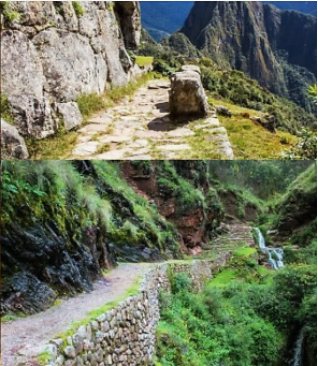
Figure 1. Roads of Qhapaq Ñan in Peru. Source: .
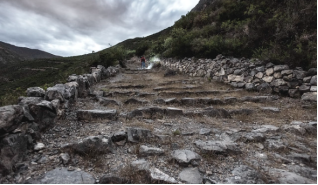
Figure 2. Roads of Qhapaq Ñan in Peru. Source: .
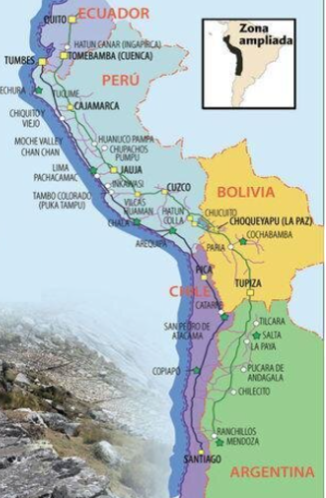
Figure 3. Qhapaq Ñan Map. Source: 2025.
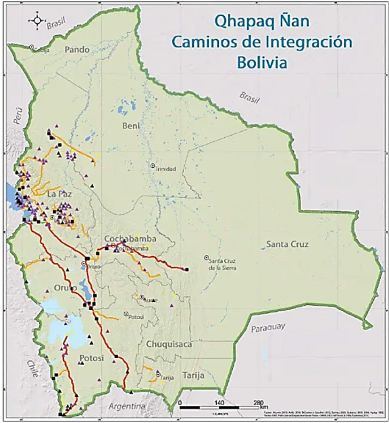
Figure 4. Qhapaq Ñan Map. Source: .
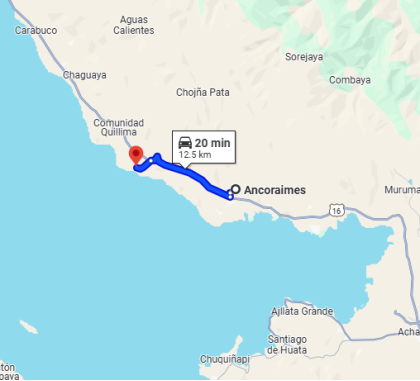
Figure 5. Distance from Ancoraimes to Ispaya Grande. Source: .
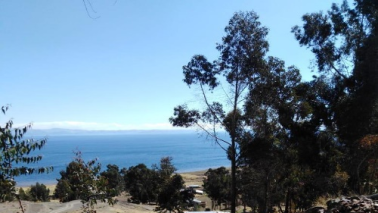
Figure 6. View of Lake Titicaca from the pre-Inca route of Ispaya Grande. Source: Own, 2019.
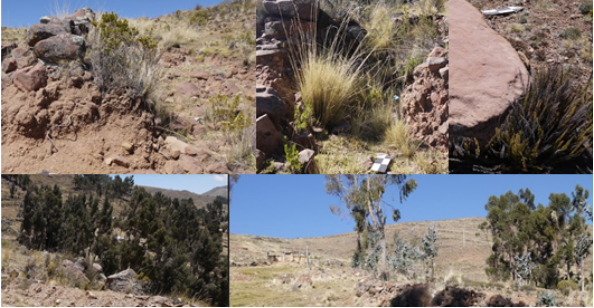
Figure 7. Low, medium, and high vegetation in Ispaya. Source: Own, 2019.
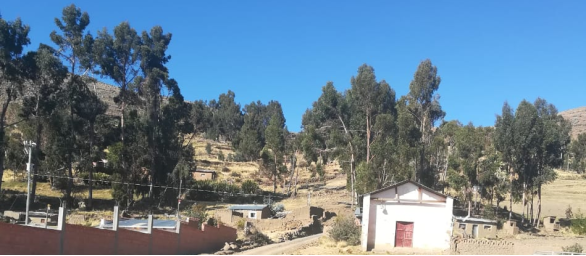
Figure 8. Chapel and School of Ispaya Grande. Source: Own, 2019.
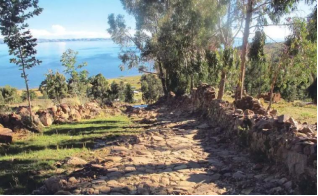
Figure 9. View of Lake Titicaca and the Ispaya Grande Community. Source: (Bolivia).
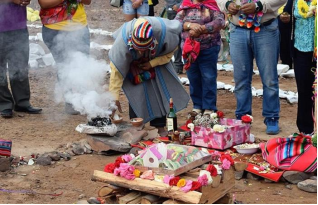
Figure 10. Example of a Ch’alla ritual. Source: (AFP).
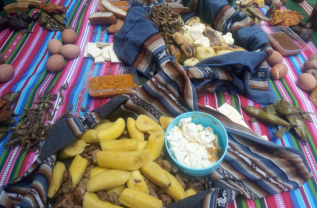
Figure 11. Example of an Apthapi. Source:.
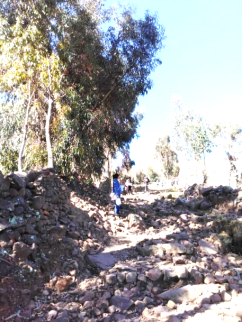
Figure 12. Ispaya Grande pre-Inca road. Source: Own, 2019.
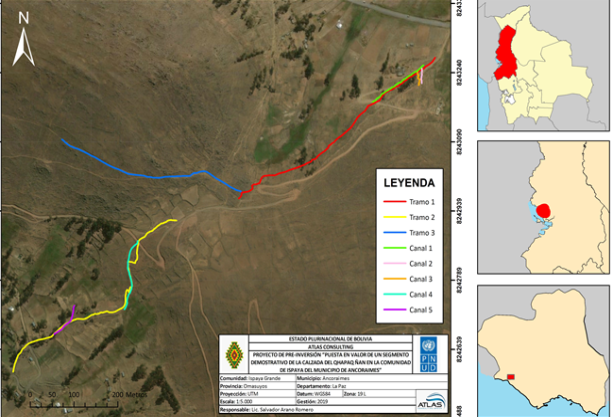
Figure 13. Pre-Inca routes and their classification. Source: ATLAS Consulting Project - Adjustment Annex 18-2019.
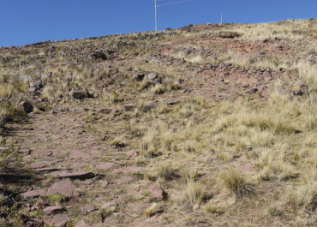
Figure 14. Open path. Source: ATLAS Consulting Project - Adjustment Annex 18-2019.
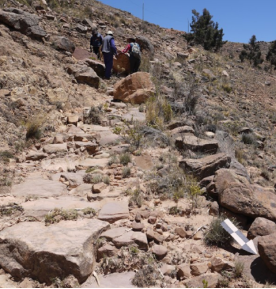
Figure 15. Open and marked path. Fuente: ATLAS Consulting Project - Adjustment Annex 18-2019.
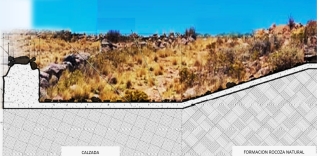
Figure 16. Road section delimited by a wall Segment 1. Source: ATLAS Consulting Project - Adjustment Annex 18–2019.
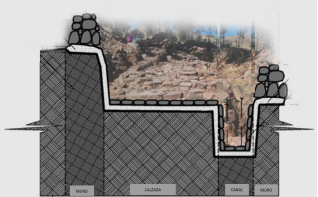
Figure 17. Road section delimited by walls Segment 2. Source: ATLAS Consulting Project - Adjustment Annex 18-2019.
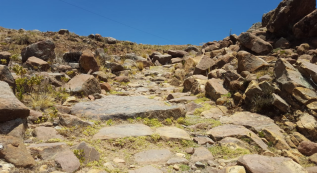
Figure 18. Road with retaining wall. Source: ATLAS Consulting Project - Adjustment Annex 18-2019.
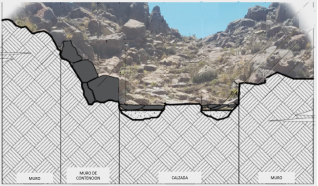
Figure 19. Road Section with retaining wall. Source: ATLAS Consulting Project - Adjustment Annex 18-2019.
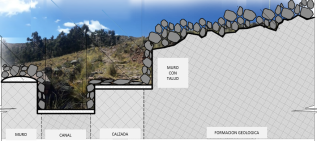
Figure 20. Road section with slope cut. Source: ATLAS Consulting Project - Adjustment Annex 18-2019.
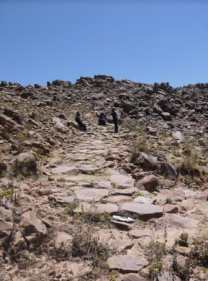
Figure 21. Road with ramp. Source: ATLAS Consulting Project - Adjustment Annex 18-2019.
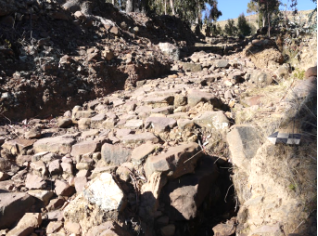
Figure 22. Stepped path. Source: ATLAS Consulting Project - Adjustment Annex 18-2019.
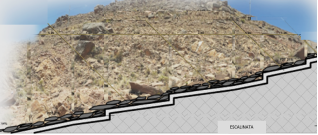
Figure 23. Stepped path Section. Source: ATLAS Consulting Project - Adjustment Annex 18-2019.
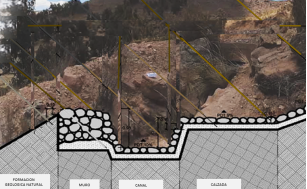
Figure 24. Path with drainage channel section. Source: ATLAS Consulting Project - Adjustment Annex 18-2019.
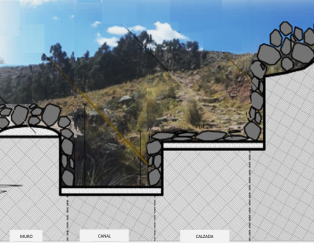
Figure 25. Path with draining channel section. Source: ATLAS Consulting Project - Adjustment Annex 18-2019.
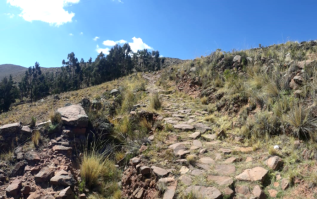
Figure 26. Segment 2 path. Source: Own 2019.

Information



 Share This Article
 Twitter
 Linked In
 Facebook
 Copy
Copy Download