3. Results
3.1. Attribution of Heritage Values
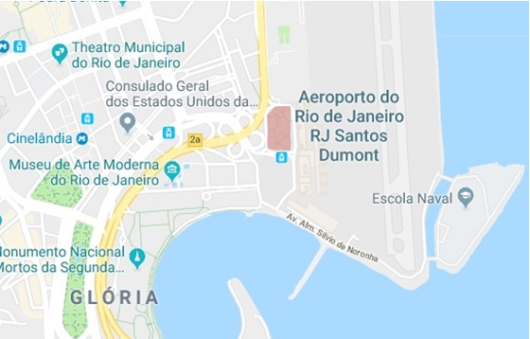
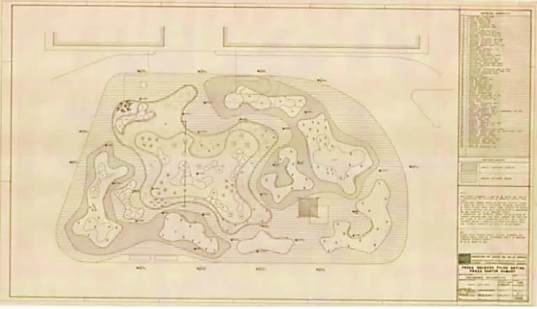
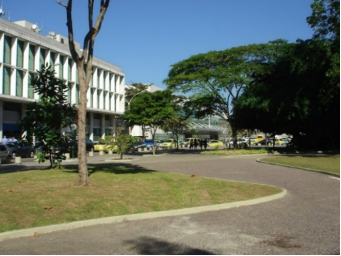
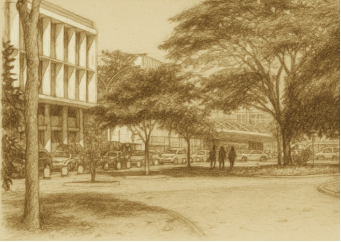
Senator Salgado Filho Square is a landmark of Brazilian modernist landscape design, situated opposite Santos Dumont Airport in central Rio de Janeiro. Conceived between 1938 and 1951 by the renowned landscape architect Roberto Burle Marx, the project reflects a pivotal moment when Rio was reinventing its waterfront and embracing modernism in architecture and planning
| [10] | Ferreira, A. de A. Politica da Paisagem: Desafios e Práticas em Etnoconservacao Urbana. Rio de Janeiro: Uiclap, 2024. |
| [17] | Besse, J.-M. Voir la terre: six essais sur le paysage et la géographie. Arles: Actes Sud/École nationale supérieure de paysage, 2000. |
[10, 17]
. Working in collaboration with botanists Henrique Lahmeyer de Mello Barreto and Luiz Emygdio de Mello Filho, Burle Marx introduced a bold use of native tropical species, marking a departure from European-inspired garden models and affirming a distinctly Brazilian landscape identity
| [10] | Ferreira, A. de A. Politica da Paisagem: Desafios e Práticas em Etnoconservacao Urbana. Rio de Janeiro: Uiclap, 2024. |
[10]
.
Historical value. The square’s historical significance lies in its role within Brazil’s urban modernization and the consolidation of modernist landscape architecture. Commissioned in the context of the development of Santos Dumont Airport, it was designed to signal Rio’s transformation into a modern metropolis and to showcase a new national aesthetic that integrated infrastructure, ecology, and public space
| [10] | Ferreira, A. de A. Politica da Paisagem: Desafios e Práticas em Etnoconservacao Urbana. Rio de Janeiro: Uiclap, 2024. |
| [17] | Besse, J.-M. Voir la terre: six essais sur le paysage et la géographie. Arles: Actes Sud/École nationale supérieure de paysage, 2000. |
[10, 17]
.
Artistic value. The artistic value is associated with Burle Marx’s formal language: abstract and geometric compositions, mosaic pavements, sinuous planting beds, and sculptural plant groupings. These elements transform the square into a living artwork, placing it among the canonical examples of modern landscape architecture in Brazil
| [10] | Ferreira, A. de A. Politica da Paisagem: Desafios e Práticas em Etnoconservacao Urbana. Rio de Janeiro: Uiclap, 2024. |
| [17] | Besse, J.-M. Voir la terre: six essais sur le paysage et la géographie. Arles: Actes Sud/École nationale supérieure de paysage, 2000. |
[10, 17]
.
Landscape value. The landscape value derives from the integration of native vegetation, topography, and panoramic views. The square establishes visual and spatial dialogue with Guanabara Bay and the airport waterfront, offering a landscape experience in which urban and natural elements interpenetrate and reinforce each other
| [10] | Ferreira, A. de A. Politica da Paisagem: Desafios e Práticas em Etnoconservacao Urbana. Rio de Janeiro: Uiclap, 2024. |
| [12] | Thibaud, J.-P. Cinco sentidos para uma abordagem sensorial dos espacos públicos. Paris: Éditions de la Villette, 2012. |
[10, 12]
.
Scientific value. Finally, the square holds scientific value as an open-air laboratory for urban botany and landscape architecture. The diversity of plant species, the ecological management strategies, and the design solutions adopted by Burle Marx and his collaborators provide relevant material for research in urban ecology, environmental design, and the history of modern landscape architecture
| [10] | Ferreira, A. de A. Politica da Paisagem: Desafios e Práticas em Etnoconservacao Urbana. Rio de Janeiro: Uiclap, 2024. |
| [16] | Mason, R. Assessing Values in Conservation Planning: Methodological Issues and Choices. In: de la Torre, M. (org.). Assessing the Values of Cultural Heritage. Los Angeles: The Getty Conservation Institute, 2002. |
[10, 16]
. Taken together, these historical, artistic, landscape, and scientific values synthesize the multidimensional importance of Senator Salgado Filho Square and justify its preservation as a cultural landscape.
3.2. Apprehension of Multivocal Sociocultural Values
The sociocultural diagnosis of Senator Salgado Filho Square was grounded in a year long ethnographic enquiry that combined participant observation, semi structured interviews, and
etnotopografia—a form of spatial ethnography aimed at capturing the atmosphere and lived experience of a place
| [13] | Geertz, C. The Interpretation of Cultures. New York: Basic Books, 1973. |
| [26] | Duarte, C. R. S. Etnografia e arquitetura: o método da etnotopografia. In: Anais do I Encontro Nacional de Ergonomia do Ambiente Construido. Recife: UFPE, 2010. |
[13, 26]
. By visiting the square at various times of day and week, the research mapped everyday interactions and recorded sensory impressions
| [10] | Ferreira, A. de A. Politica da Paisagem: Desafios e Práticas em Etnoconservacao Urbana. Rio de Janeiro: Uiclap, 2024. |
| [12] | Thibaud, J.-P. Cinco sentidos para uma abordagem sensorial dos espacos públicos. Paris: Éditions de la Villette, 2012. |
[10, 12]
, allowing the identification of distinct social profiles and the values they attribute to the site. The mapping revealed that taxi drivers, car washers, street vendors, airport employees, police officers, tourists, homeless people and minority groups such as women, Black people, the elderly, people with disabilities and LGBTQIA+ individuals all appropriate the space differently. Interviews showed that each group expresses specific concerns and expectations: women highlight safety issues; LGBTQIA+ users recount experiences of belonging and vulnerability; homeless people regard the square as a refuge; and workers emphasize its role as a place of employment and community. This diversity underscores the need for a multivocal approach to conservation that respects and integrates overlapping values
| [10] | Ferreira, A. de A. Politica da Paisagem: Desafios e Práticas em Etnoconservacao Urbana. Rio de Janeiro: Uiclap, 2024. |
| [11] | Avrami, E.; Mason, R.; Macdonald, S. (Org.). Values in Heritage Management: Emerging Approaches and Research Directions. Los Angeles: The Getty Conservation Institute, 2019. |
[10, 11]
.
Use value. For many users the square’s value derives from its convenience and functionality. Located at the interface between Santos Dumont Airport and the city center, it functions as a transition zone and an open air workplace. Taxi drivers, car washers, snack vendors and airport workers value the square as a shaded, ventilated and supportive environment where they can rest between tasks, receive customers and build community. A taxi driver and a vendor interviewed for this study emphasized the importance of the trees and breeze for their well being and for attracting clientele; they described the space as “a point of support, security and welcome” indispensable to their daily routines. These practical uses coexist with more informal uses, such as resting or waiting for transport, illustrating how the square’s physical and social affordances generate a dynamic use value that is socially produced
| [10] | Ferreira, A. de A. Politica da Paisagem: Desafios e Práticas em Etnoconservacao Urbana. Rio de Janeiro: Uiclap, 2024. |
[10]
.
Shelter and survival value. The research also found that homeless individuals use the square as a refuge and sleeping area, underscoring the need for social assistance policies. Their presence highlights the square’s role as a survival resource and reveals tensions between different user groups over space and visibility
| [10] | Ferreira, A. de A. Politica da Paisagem: Desafios e Práticas em Etnoconservacao Urbana. Rio de Janeiro: Uiclap, 2024. |
[10]
.
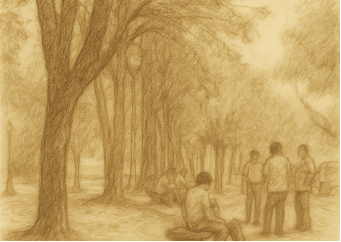
Well being value. Many visitors—both workers and occasional passers by—associate the square with sensory and psychological comfort. The shade of native trees, the breeze from Guanabara Bay and the presence of birds and small monkeys create a microclimate that mitigates heat and noise
| [12] | Thibaud, J.-P. Cinco sentidos para uma abordagem sensorial dos espacos públicos. Paris: Éditions de la Villette, 2012. |
[12]
. A long time car washer described the “peace” and “sense of belonging” provided by the green environment, noting that the constant flow of people adds to the sense of security and conviviality. These qualitative perceptions indicate that the square contributes to urban quality of life and mental well being
| [12] | Thibaud, J.-P. Cinco sentidos para uma abordagem sensorial dos espacos públicos. Paris: Éditions de la Villette, 2012. |
| [10] | Ferreira, A. de A. Politica da Paisagem: Desafios e Práticas em Etnoconservacao Urbana. Rio de Janeiro: Uiclap, 2024. |
[12, 10]
.
Aesthetic and symbolic value. Users also appreciate the square’s artistic qualities and cultural symbolism. Designed by Roberto Burle Marx, the site is recognized for its mosaic paths, sinuous planting beds and sculptural groupings, which reflect the modernist movement. People interviewed expressed pride in its distinctive design and identified the square as a visual landmark that embodies the identity of Rio’s waterfront
| [17] | Besse, J.-M. Voir la terre: six essais sur le paysage et la géographie. Arles: Actes Sud/École nationale supérieure de paysage, 2000. |
[17]
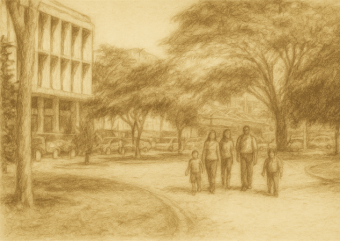
. For some, memories of childhood visits and family outings reinforce their sentimental significance, demonstrating how heritage values are layered with personal and collective meanings
| [10] | Ferreira, A. de A. Politica da Paisagem: Desafios e Práticas em Etnoconservacao Urbana. Rio de Janeiro: Uiclap, 2024. |
[10]
.
Safety value. Despite the presence of workers and security guards, women and other vulnerable groups report a persistent sense of insecurity. Drawing on Jane Jacobs’s notion that safety is linked to “eyes on the street”
| [27] | Jacobs, J. The Death and Life of Great American Cities. New York: Random House, 1961. |
[27]
, participants noted that poor lighting, lack of public restrooms and hidden areas reduce their sense of protection. Elderly users also pointed to the need for more benches and accessible paths, while people with disabilities emphasized the absence of ramps and tactile signage. These observations suggest that improving basic infrastructure is essential for broadening the square’s use value and aligning it with universal design principles
| [10] | Ferreira, A. de A. Politica da Paisagem: Desafios e Práticas em Etnoconservacao Urbana. Rio de Janeiro: Uiclap, 2024. |
| [11] | Avrami, E.; Mason, R.; Macdonald, S. (Org.). Values in Heritage Management: Emerging Approaches and Research Directions. Los Angeles: The Getty Conservation Institute, 2019. |
[10, 11]
.
Inclusion and accessibility value. Interviews with Black people, older adults, individuals with disabilities and LGBTQIA+ users revealed that physical and symbolic barriers often limit their full enjoyment of the square. While the landscape design offers shade and vegetation, inadequate accessibility measures restrict mobility; moreover, experiences of prejudice and discrimination—reported by a Black car washer who felt mistrusted because of his race—indicate that social inclusion remains a challenge
| [10] | Ferreira, A. de A. Politica da Paisagem: Desafios e Práticas em Etnoconservacao Urbana. Rio de Janeiro: Uiclap, 2024. |
[10]
. LGBTQIA+ respondents stressed that acceptance and safety are prerequisites for their presence. Recognizing and addressing these barriers is fundamental for inclusive heritage management
| [11] | Avrami, E.; Mason, R.; Macdonald, S. (Org.). Values in Heritage Management: Emerging Approaches and Research Directions. Los Angeles: The Getty Conservation Institute, 2019. |
| [10] | Ferreira, A. de A. Politica da Paisagem: Desafios e Práticas em Etnoconservacao Urbana. Rio de Janeiro: Uiclap, 2024. |
[11, 10]
.
Environmental value. The square’s vegetation contributes to urban biodiversity, microclimatic regulation and ecological education. Its assemblage of native species attracts birds and small primates, reduces heat and noise, and offers shade for users. For many, these ecological qualities foster a connection with nature and raise awareness of environmental stewardship, aligning the square with broader objectives of urban sustainability
| [10] | Ferreira, A. de A. Politica da Paisagem: Desafios e Práticas em Etnoconservacao Urbana. Rio de Janeiro: Uiclap, 2024. |
| [18] | Worthing, D.; Bond, S. Managing Built Heritage: The Role of Cultural Significance. Oxford: Blackwell, 2008. |
[10, 18]
.
Economic value. Finally, the square has an economic dimension. It provides livelihood opportunities for taxi drivers, vendors and car washers, whose income depends on the flow of passengers and visitors
| [10] | Ferreira, A. de A. Politica da Paisagem: Desafios e Práticas em Etnoconservacao Urbana. Rio de Janeiro: Uiclap, 2024. |
[10]
. At the same time, heritage tourism represents a potential source of revenue for conservation, provided that economic activities are balanced with the preservation of cultural and social values. Stakeholders therefore advocated tourism initiatives and creative economy events that generate funds without commodifying the space or excluding vulnerable groups
| [9] | UNESCO. World Heritage Periodic Report: Rio de Janeiro, Carioca Landscapes between the Mountain and the Sea. Paris: UNESCO, 2023. |
| [10] | Ferreira, A. de A. Politica da Paisagem: Desafios e Práticas em Etnoconservacao Urbana. Rio de Janeiro: Uiclap, 2024. |
[9, 10]
.
Taken together, these multivocal values reveal Senator Salgado Filho Square as a space of encounter, work, refuge and memory. Rather than a static monument, it is a living landscape where different groups negotiate meanings and resources. Effective conservation policies must therefore balance their historical and ecological significance with the everyday needs of users, ensuring that heritage protection does not reinforce exclusion but rather supports inclusive and sustainable urban life
| [10] | Ferreira, A. de A. Politica da Paisagem: Desafios e Práticas em Etnoconservacao Urbana. Rio de Janeiro: Uiclap, 2024. |
[10]
.
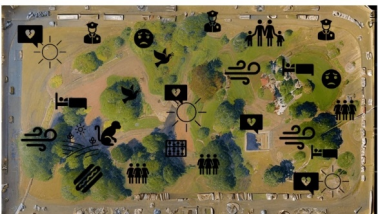
Figure 4 presents a methodologically interpreted synthesis of the fieldwork, rather than a purely illustrative sketch: qualitative codes drawn from interview transcripts and field notes—organized by value category (use, shelter, well-being, aesthetic-symbolic, safety, inclusion, environmental, and economic) and by user profile—were geo-referenced onto the square's spatial layout, allowing overlapping and conflicting perceptions to be visualized systematically rather than only narratively. This coding-to-mapping protocol, adapted from etnotopografia
| [14] | Duarte, C. R. de S. Ambiências urbanas: imaginário, memoria e experiência. Rio de Janeiro: Letra Capital, 2015. |
| [26] | Duarte, C. R. S. Etnografia e arquitetura: o método da etnotopografia. In: Anais do I Encontro Nacional de Ergonomia do Ambiente Construido. Recife: UFPE, 2010. |
[14, 26]
, is designed to be replicable in future applications of the model to other public spaces.
Table 2. Map legend of activities in Senator Salgado Filho Square, Rio de Janeiro. Source: prepared by the author.
Legend |

| Police |

| Fear |

| Space most used by families |

| High sun exposure |

| Unwelcoming place |

| Refuge for homeless people |

| Pleasant/shaded area |

| Street vendors/Snack sales point |

| Presence of wildlife |

| Presence of birds |

| Gathering place for taxi drivers and local workers |

| Games area |

| Pleasant breeze |
4. Discussion: Conservation Policy
The diagnosis of Senator Salgado Filho Square reveals a dichotomy common to many cultural landscapes: while the site possesses recognized historical and artistic values, its current management fails to address social dynamics and operational challenges. The identification of multivocal values and the risks associated with the abandonment of the square demonstrate that traditional preservation mechanisms—focused solely on material protection—are insufficient to guarantee the vitality and sustainability of the site. Therefore, the results indicate the urgency of a new management model that articulates heritage conservation with urban reality. This section discusses the guidelines for an integrated conservation policy, structured to fill the gaps identified in the case study and aligned with the principles of urban ethnoconservation. The discussion is organized around eight complementary axes: cultural significance, integrated governance, geopolitical and cultural practice, accessibility and safety, risk management (ABC Method), monitoring indicators, economic sustainability, and heritage education.
4.1. Cultural Significance Statement of Senator Salgado Filho Square
A cultural significance statement explains why a property should be preserved and for which audiences this conservation is relevant. According to the Burra Charter, the cultural significance of a place refers to its aesthetic, historical, scientific, social, or spiritual value for past, present, and future generations
| [15] | ICOMOS. Carta de Burra para Lugares de Patrimonio Cultural. 2013. |
[15]
. Mason
| [16] | Mason, R. Assessing Values in Conservation Planning: Methodological Issues and Choices. In: de la Torre, M. (org.). Assessing the Values of Cultural Heritage. Los Angeles: The Getty Conservation Institute, 2002. |
[16]
reinforces that the identification of these values must consider the multiplicity of meanings attributed by different social groups, as the notion of heritage value is dynamic and depends on contexts of use and collective perceptions.
Considering these guidelines and the research conducted, Senator Salgado Filho Square possesses cultural significance because it materializes Roberto Burle Marx’s modernist landscape architecture and the evolution of urban planning in Rio de Janeiro. Its abstract forms, mosaics, and native plant species dialogue with the natural landscape and represent an aesthetic and scientific landmark of the modern movement
| [10] | Ferreira, A. de A. Politica da Paisagem: Desafios e Práticas em Etnoconservacao Urbana. Rio de Janeiro: Uiclap, 2024. |
[10]
. It is also important because it serves as a space for conviviality, well-being, and resistance for a diversity of groups: workers, tourists, women, the elderly, the homeless population, Black people, and LGBTQIA+ individuals build memories, affections, and cultural practices there, transforming the square into a symbol of inclusion and urban identity
| [10] | Ferreira, A. de A. Politica da Paisagem: Desafios e Práticas em Etnoconservacao Urbana. Rio de Janeiro: Uiclap, 2024. |
| [11] | Avrami, E.; Mason, R.; Macdonald, S. (Org.). Values in Heritage Management: Emerging Approaches and Research Directions. Los Angeles: The Getty Conservation Institute, 2019. |
[10, 11]
. From a social and economic standpoint, the square offers livelihood opportunities for street vendors and taxis, in addition to attracting visitors and fostering cultural tourism. Environmentally, it contributes to urban biodiversity and the microclimatic regulation of the region
| [10] | Ferreira, A. de A. Politica da Paisagem: Desafios e Práticas em Etnoconservacao Urbana. Rio de Janeiro: Uiclap, 2024. |
| [18] | Worthing, D.; Bond, S. Managing Built Heritage: The Role of Cultural Significance. Oxford: Blackwell, 2008. |
[10, 18]
.
Preserving the square, therefore, is essential both to safeguard the material and intangible memory of Brazilian landscape architecture and to ensure an inclusive space that meets the needs for leisure, shelter, work, and sociability of the groups who frequent it today and of future generations
| [16] | Mason, R. Assessing Values in Conservation Planning: Methodological Issues and Choices. In: de la Torre, M. (org.). Assessing the Values of Cultural Heritage. Los Angeles: The Getty Conservation Institute, 2002. |
[16]
.
4.2. The Need for an Integrated Approach
The analysis of the “Rio de Janeiro: Carioca Landscapes between the Mountain and the Sea” World Heritage site highlights structural fragilities that compromise the effectiveness of safeguarding actions. Recent reports by UNESCO and ICOMOS point to critical deficiencies, such as the absence of a structured monitoring system, conflicts of normative competence among institutions, and the lack of continuous financing mechanisms
| [9] | UNESCO. World Heritage Periodic Report: Rio de Janeiro, Carioca Landscapes between the Mountain and the Sea. Paris: UNESCO, 2023. |
[9]
. In the specific case of Senator Salgado Filho Square, these macro-structural problems manifest as physical degradation, insecurity for vulnerable groups, and a disconnect between the official heritage discourse and the users' daily experience
| [10] | Ferreira, A. de A. Politica da Paisagem: Desafios e Práticas em Etnoconservacao Urbana. Rio de Janeiro: Uiclap, 2024. |
[10]
.
Overcoming this scenario requires an integrated approach that transcends the isolation of heritage agencies. As observed in the results, the square is a territory of dispute where social demands (security, accessibility, shelter) compete with preservation requirements. An effective policy must, therefore, operate on multiple fronts simultaneously: it must ensure physical integrity through preventive conservation; promote social inclusion by recognizing the values of diverse groups; and guarantee viability through participatory governance and sustainable economic models. The following guidelines propose a transition from a static preservation model to a dynamic management system, capable of mediating conflicts and strengthening the bond between the community and the landscape.
A cultural heritage conservation policy comprises the guidelines, principles, and actions through which public and international bodies protect material and intangible cultural assets, guiding conservation decisions and ensuring their transmission to future generations. By implementing such policies, governments and organizations safeguard collective memory and cultural identity, treating heritage as both a legacy of the past and a living resource for the present.
A conservation management policy based on urban ethnoconservation must begin with the active inclusion of local communities in heritage management. Authors like Mason
| [16] | Mason, R. Assessing Values in Conservation Planning: Methodological Issues and Choices. In: de la Torre, M. (org.). Assessing the Values of Cultural Heritage. Los Angeles: The Getty Conservation Institute, 2002. |
[16]
and Avrami et al.
| [11] | Avrami, E.; Mason, R.; Macdonald, S. (Org.). Values in Heritage Management: Emerging Approaches and Research Directions. Los Angeles: The Getty Conservation Institute, 2019. |
[11]
advocate that preservation processes incorporate the cultural and social meanings attributed by different groups. In this sense, it is crucial to create user councils, community forums, and periodic public consultations so that residents, workers, and other users participate in defining conservation guidelines
| [10] | Ferreira, A. de A. Politica da Paisagem: Desafios e Práticas em Etnoconservacao Urbana. Rio de Janeiro: Uiclap, 2024. |
[10]
. These democratic and inclusive mechanisms ensure that management considers the plurality of values and needs present in space, aligning with international principles that emphasize social engagement
| [9] | UNESCO. World Heritage Periodic Report: Rio de Janeiro, Carioca Landscapes between the Mountain and the Sea. Paris: UNESCO, 2023. |
| [15] | ICOMOS. Carta de Burra para Lugares de Patrimonio Cultural. 2013. |
[9, 15]
.
It is important to ensure the representation of marginalized groups—homeless individuals, women, the Black population, LGBTQIA+, the elderly, and people with disabilities—so that heritage policies reflect sociocultural diversity and promote equity in the use of space
| [10] | Ferreira, A. de A. Politica da Paisagem: Desafios e Práticas em Etnoconservacao Urbana. Rio de Janeiro: Uiclap, 2024. |
[10]
. Continuous social participation, based on shared values, strengthens the sense of belonging and legitimizes conservation actions
| [11] | Avrami, E.; Mason, R.; Macdonald, S. (Org.). Values in Heritage Management: Emerging Approaches and Research Directions. Los Angeles: The Getty Conservation Institute, 2019. |
| [16] | Mason, R. Assessing Values in Conservation Planning: Methodological Issues and Choices. In: de la Torre, M. (org.). Assessing the Values of Cultural Heritage. Los Angeles: The Getty Conservation Institute, 2002. |
[11, 16]
.
Given the multiple meanings and uses attributed to the cultural asset by different actors, conservation must be treated as a practice of mediation. The landscape functions as a field of cultural negotiation, where tensions may arise between, for example, commercial interests, leisure needs, informal housing, and historical preservation. It is necessary to establish instances for conflict mediation, such as committees or multi-sector working groups, to reconcile divergent views and prevent the exclusion of vulnerable groups
| [10] | Ferreira, A. de A. Politica da Paisagem: Desafios e Práticas em Etnoconservacao Urbana. Rio de Janeiro: Uiclap, 2024. |
[10]
. This approach recognizes that heritage management involves symbolic and power disputes, requiring constant dialogue. Avrami and Mason
| [11] | Avrami, E.; Mason, R.; Macdonald, S. (Org.). Values in Heritage Management: Emerging Approaches and Research Directions. Los Angeles: The Getty Conservation Institute, 2019. |
[11]
reinforce that conservation must be inclusively mediated, respecting the meanings attributed by communities and promoting tension resolution. Thus, heritage policies can accommodate contemporary uses without compromising cultural values, avoiding gentrification and ensuring that social memory is preserved along with the materiality of the asset.
The technical dimension of conservation policy requires a preventive and sustainable approach, integrating traditional conservation principles with contemporary environmental guidelines. Worthing and Bond
| [18] | Worthing, D.; Bond, S. Managing Built Heritage: The Role of Cultural Significance. Oxford: Blackwell, 2008. |
[18]
emphasize the importance of continuous maintenance practices, regular monitoring, and risk management to prevent degradation that requires drastic interventions. Ecological techniques should be adopted in the square's conservation—appropriate management of native vegetation, use of compatible and resistant materials, pest control, and sustainable cleaning—ensuring the integrity of Roberto Burle Marx’s original design and the conservation of the characteristic landscape elements
| [10] | Ferreira, A. de A. Politica da Paisagem: Desafios e Práticas em Etnoconservacao Urbana. Rio de Janeiro: Uiclap, 2024. |
[10]
.
Measures such as faithful restoration of damaged elements, judicious repristinating (selective removal of incompatible additions), and, above all, continuous maintenance are indispensable for prolonging the life of the heritage
| [10] | Ferreira, A. de A. Politica da Paisagem: Desafios e Práticas em Etnoconservacao Urbana. Rio de Janeiro: Uiclap, 2024. |
| [18] | Worthing, D.; Bond, S. Managing Built Heritage: The Role of Cultural Significance. Oxford: Blackwell, 2008. |
[10, 18]
. Furthermore, management must align with environmental and urban regulations, incorporating low-impact solutions, for example, efficient irrigation systems, waste management, clean energy for lighting—so that material conservation proceeds alongside the environmental sustainability of space. This technical-ecological integration ensures that preservation is not only physical but also environmentally responsible, contributing to the asset's resilience against climate change and urban pressures.
4.3. Conservation as Geopolitical and Cultural Practice
Urban cultural heritage is not neutral: its management involves dealing with geopolitical and cultural processes that shape which histories and identities are valued. This axis of conservation policy recognizes the asset as a space for symbolic disputes and social demands. It is necessary to incorporate strategies that promote collective memory, cultural diversity, and social justice within preservation actions
| [10] | Ferreira, A. de A. Politica da Paisagem: Desafios e Práticas em Etnoconservacao Urbana. Rio de Janeiro: Uiclap, 2024. |
[10]
. This means, for example, supporting initiatives to valorize local history and the narratives of traditionally marginalized groups, as well as adopting affirmative policies for gender equality and racial inclusion in the use and cultural programming of space.
By understanding conservation as a political act as well, managers begin to consider who benefits or is harmed by the interventions. Thus, guidelines must be constructed with critical awareness, preventing heritage protection from serving as a pretext for gentrification or the militarization of urban space. Instead, conservation should strengthen the role of the place as a territory for conviviality and cultural resistance, expanding access and the recognition of the diverse meanings attributed by the community
| [10] | Ferreira, A. de A. Politica da Paisagem: Desafios e Práticas em Etnoconservacao Urbana. Rio de Janeiro: Uiclap, 2024. |
| [16] | Mason, R. Assessing Values in Conservation Planning: Methodological Issues and Choices. In: de la Torre, M. (org.). Assessing the Values of Cultural Heritage. Los Angeles: The Getty Conservation Institute, 2002. |
[10, 16]
. This vision expands the scope of conservation beyond technique, encompassing the civic and symbolic dimensions of heritage.
4.4. Accessibility and Safety
Guaranteeing universal accessibility and safety in the public heritage space is transversal to all axes. Conservation policies must foresee concrete improvements in urban infrastructure, ensuring that all users can enjoy the space with comfort and protection. In the case studied, women emphasized the need for adequate lighting and community surveillance to prevent harassment, and people with disabilities and the elderly pointed out physical barriers that hinder mobility
| [10] | Ferreira, A. de A. Politica da Paisagem: Desafios e Práticas em Etnoconservacao Urbana. Rio de Janeiro: Uiclap, 2024. |
[10]
. As a response, conservation must integrate universal design—architectural adaptations such as ramps, tactile signage, and obstacle elimination—without compromising the historical design, ensuring full access. Similarly, the installation of inclusive public restrooms, improved lighting with efficient technology (LED), and the presence of community guardians or security patrols can enhance the sense of security for vulnerable groups. Creating safer and more accessible environments is aligned with the concept of the right to the city, making heritage a truly public and democratic space. Safety measures must be implemented in a participatory manner, in partnership with the local community and with gender sensitivity, to avoid discriminatory approaches. By incorporating these urban accessibility and safety provisions into the conservation policy, it is reinforced that the valorization of heritage and social well-being are inseparable.
4.5. ABC Method (Risk Management)
To ensure preventive conservation, a risk management plan that identifies threats, estimates their magnitudes, and prioritizes actions is essential. The ABC Method—developed by ICCROM and the Canadian Conservation Institute (CCI)—is a risk management approach conceived and refined over ten years within the framework of the Reducing Risks to Collections course. Its objective is to optimize the preservation of cultural heritage value by providing tools to establish intervention priorities and strategies
| [19] | Pedersoli, J. L. Jr.; Antomarchi, C.; Michalski, S. The ABC Method: a risk management approach to the preservation of cultural heritage. Ottawa: Canadian Conservation Institute; Rome: ICCROM, 2016. |
[19]
.
The methodology uses three complementary scales to quantify risk: component “A” measures the frequency or speed with which an adverse event occurs; components “B” and “C,” together, quantify the expected loss of value in the affected items
| [19] | Pedersoli, J. L. Jr.; Antomarchi, C.; Michalski, S. The ABC Method: a risk management approach to the preservation of cultural heritage. Ottawa: Canadian Conservation Institute; Rome: ICCROM, 2016. |
[19]
. The combination of the three components generates a magnitude score, which allows for the comparison and ordering of different risks.
This score is classified on a magnitude scale with practical implications, ranging from "catastrophic" and "extreme" to "negligible"
| [19] | Pedersoli, J. L. Jr.; Antomarchi, C.; Michalski, S. The ABC Method: a risk management approach to the preservation of cultural heritage. Ottawa: Canadian Conservation Institute; Rome: ICCROM, 2016. |
[19]
. To facilitate application in urban areas, it is proposed to adapt this scale into three priority levels:
High Priority – Equivalent to catastrophic or extreme magnitudes. These are imminent threats that can cause significant loss of value in the short term, including critical structural degradation, tree collapse, insecurity for women and the LGBTQIA+ population at night, and extreme weather events. They require immediate actions, such as stabilization work, emergency pruning, reinforcement of lighting, and increased public or community surveillance.
Medium Priority – Corresponds to high or medium magnitudes. They do not immediately threaten the physical integrity of the asset but compromise the ambience and the sociocultural experience. Examples include limited accessibility (broken sidewalks, absence of ramps), disorderly occupation by informal commerce, and moderate degradation of street furniture. Actions can be planned in the medium term, focusing on infrastructure improvements, participatory ordering of space use, and partnerships with social assistance to relocate inappropriate uses.
Low Priority – Refers to negligible magnitudes. Involves minor issues, such as gradual aesthetic wear, small acts of vandalism, or the need for repainting. Although they do not require immediate intervention, they should be monitored and integrated into periodic maintenance to prevent problem accumulation.
Practical applications of the ABC Method in historical sites—such as the Manguinhos site of FIOCRUZ (Rio de Janeiro), Petra (Jordan), and Colombian cultural heritage—demonstrate that the method places the question of value and loss of value at the center of the process, involving communities and specialists in the attribution of values and the assessment of impacts
| [20] | Coelho, C. M. T. Gestao de riscos para sitios historicos: uma discussao sobre valor. 2018. Tese (Doutorado em Arquitetura e Urbanismo) – Programa de Pos-Graduacao em Arquitetura e Urbanismo, Universidade Federal Fluminense, Niteroi, 2018. |
[20]
.
By prioritizing interventions based on the magnitude of the risk and the values attributed by the various actors, the ABC Method optimizes the use of scarce resources and ensures that the most severe threats are addressed first. It is recommended that the risk matrix be reviewed periodically with the participation of community councils, incorporating new perceptions of danger and adjusting priorities according to the transformations of space
| [20] | Coelho, C. M. T. Gestao de riscos para sitios historicos: uma discussao sobre valor. 2018. Tese (Doutorado em Arquitetura e Urbanismo) – Programa de Pos-Graduacao em Arquitetura e Urbanismo, Universidade Federal Fluminense, Niteroi, 2018. |
[20]
. Thus, risk management becomes transparent, adaptive, and shared with society.
In research on urban ethnoconservation, the ABC Method is adopted as a diagnostic and planning tool for the preventive conservation of the cultural landscape. After identifying and attributing values to the site (inventorying historical, artistic, landscape, and sociocultural attributes), the team applies the ABC Method to assess the physical, environmental, and social risks that may compromise these values. The method is structured in five stages—establishing the context, identifying risks, analyzing risks, evaluating risks, and treating risks—and associates risk management with heritage values, allowing researchers to determine which threats are most critical to the material and immaterial integrity of the place
| [19] | Pedersoli, J. L. Jr.; Antomarchi, C.; Michalski, S. The ABC Method: a risk management approach to the preservation of cultural heritage. Ottawa: Canadian Conservation Institute; Rome: ICCROM, 2016. |
| [20] | Coelho, C. M. T. Gestao de riscos para sitios historicos: uma discussao sobre valor. 2018. Tese (Doutorado em Arquitetura e Urbanismo) – Programa de Pos-Graduacao em Arquitetura e Urbanismo, Universidade Federal Fluminense, Niteroi, 2018. |
[19, 20]
.
The prioritization (hierarchization) of risks is based on quantitative and qualitative parameters. The ABC Method uses three scales to measure the magnitude of each risk: (i) component “A,” which quantifies the frequency or probability of occurrence of an adverse event; (ii) component “B,” which estimates the expected loss of value in each affected item; and (iii) component “C,” which assesses the proportion of items in the set that will be affected
| [19] | Pedersoli, J. L. Jr.; Antomarchi, C.; Michalski, S. The ABC Method: a risk management approach to the preservation of cultural heritage. Ottawa: Canadian Conservation Institute; Rome: ICCROM, 2016. |
[19]
. The sum of the scores of A, B, and C results in the risk magnitude, which is compared with a scale of practical implications: high scores (equivalent to catastrophic or extreme categories) indicate high-priority risks and require immediate responses; intermediate scores point to medium-priority risks, which can be addressed in the medium term; and low scores correspond to low-priority risks, monitored in the long term or integrated into routine maintenance. In simplified adaptations for communities, these ranges are grouped into three categories—High, Medium, and Low priority—to facilitate the communication of results
| [20] | Coelho, C. M. T. Gestao de riscos para sitios historicos: uma discussao sobre valor. 2018. Tese (Doutorado em Arquitetura e Urbanismo) – Programa de Pos-Graduacao em Arquitetura e Urbanismo, Universidade Federal Fluminense, Niteroi, 2018. |
[20]
.
In addition to technical parameters, the research incorporates qualitative criteria, such as cultural significance and user perception, in the impact analysis. The final prioritization, therefore, considers not only the probability of occurrence and the potential for damage but also the value attributed by different social groups to the cultural asset, ensuring that mitigation actions are guided by the principles of ethnoconservation and community participation
| [19] | Pedersoli, J. L. Jr.; Antomarchi, C.; Michalski, S. The ABC Method: a risk management approach to the preservation of cultural heritage. Ottawa: Canadian Conservation Institute; Rome: ICCROM, 2016. |
[19]
.
4.6. Monitoring Indicators
A set of monitoring indicators was developed, aligned with the UN Sustainable Development Goals (SDGs) and the urban ethnoconservation approach, covering the five axes of sustainability (environmental, economic, social, cultural, and institutional) as recommended by best practices in integrated heritage management
| [21] | Fundação Oswaldo Cruz – FIOCRUZ (Casa de Oswaldo Cruz). Programa de Sustentabilidade do Núcleo Arquitetonico Historico de Manguinhos (NAHM) 2024–2028. Rio de Janeiro: COC/Fiocruz, 2025. |
[21]
.
In this research, the concept of sustainability is grounded in the classic definition of sustainable development from the Our Common Future (Brundtland Report) by the World Commission on Environment and Development
| [22] | World Commission on Environment and Development. Our Common Future. Oxford: Oxford University Press, 1987. |
[22]
. This report established that development must meet the needs of the present generations without compromising the capacity of future generations to meet their own needs. This concept introduced the ideas of intergenerational equity and a balance between the use and regeneration of ecosystems. Subsequently, John Elkington broadened this vision by proposing the “triple bottom line”
| [23] | Elkington, J. Cannibals with Forks: The Triple Bottom Line of 21st Century Business. Oxford: Capstone, 1997. |
[23]
, arguing that sustainability must simultaneously consider the environmental, social, and economic dimensions, such that the neglect of any one dimension compromises the others.
The work also aligns with the guidelines of the UN 2030 Agenda and the UNESCO Policy on World Heritage and Sustainable Development. These documents emphasize that heritage management must be guided by transparency, dialogue, and social inclusion
| [24] | ONU. Transformando Nosso Mundo: a Agenda 2030 para o Desenvolvimento Sustentável. Resolucao A/RES/70/1, 2015. |
| [25] | UNESCO. Politica do Patrimonio Mundial e Desenvolvimento Sustentável. Paris: UNESCO, 2015. |
[24, 25]
. Furthermore, they highlight that SDG 11 specifically seeks to make cities and human settlements inclusive, safe, resilient, and sustainable
| [24] | ONU. Transformando Nosso Mundo: a Agenda 2030 para o Desenvolvimento Sustentável. Resolucao A/RES/70/1, 2015. |
| [25] | UNESCO. Politica do Patrimonio Mundial e Desenvolvimento Sustentável. Paris: UNESCO, 2015. |
[24, 25]
. Thus, the research adopts a multidimensional understanding of sustainability—environmental, social, economic, cultural, and institutional—in consonance with the Sustainable Development Goals. This approach recognizes that the conservation of Senator Salgado Filho Square must integrate ecological management, community participation, economic viability, cultural valorization, and effective governance, ensuring the transmission of heritage values to current and future generations.
4.6.1. Indicator of Environmental Quality and Climate Resilience
In the environmental axis, the aim is to measure the landscape integrity and environmental sustainability of the square through the increase of green infrastructure (e.g., rain gardens, permeable pavement, afforestation) and the reduction of climate impacts such as flooding and heat islands. This indicator reflects goals from SDGs 11 and 13—resilient cities and climate action—ensuring that the original design by Burle Marx and its characteristic natural elements are sustainably preserved and managed
| [10] | Ferreira, A. de A. Politica da Paisagem: Desafios e Práticas em Etnoconservacao Urbana. Rio de Janeiro: Uiclap, 2024. |
| [21] | Fundação Oswaldo Cruz – FIOCRUZ (Casa de Oswaldo Cruz). Programa de Sustentabilidade do Núcleo Arquitetonico Historico de Manguinhos (NAHM) 2024–2028. Rio de Janeiro: COC/Fiocruz, 2025. |
[10, 21]
. For example, the implementation of 100% of green drainage solutions in critical areas can reduce flooding points by up to 80%, strengthening local resilience
| [21] | Fundação Oswaldo Cruz – FIOCRUZ (Casa de Oswaldo Cruz). Programa de Sustentabilidade do Núcleo Arquitetonico Historico de Manguinhos (NAHM) 2024–2028. Rio de Janeiro: COC/Fiocruz, 2025. |
[21]
and meeting international recommendations to make cities safer and more sustainable
| [9] | UNESCO. World Heritage Periodic Report: Rio de Janeiro, Carioca Landscapes between the Mountain and the Sea. Paris: UNESCO, 2023. |
[9]
.
4.6.2. Indicator of Economic Sustainability of Conservation
In the economic axis, an indicator of resource mobilization and financial autonomy for the square's maintenance is adopted, based on SDG 11.4 (protection of cultural heritage) and SDG 17 (partnerships). This indicator assesses the volume of funding obtained through public-private partnerships, sustainable cultural tourism, donations, or heritage funds, in proportion to the space's conservation costs. The creation of an exclusive “Heritage Conservation Fund,” for example, ensures continuous resources for preventive actions and valorizes the heritage
| [10] | Ferreira, A. de A. Politica da Paisagem: Desafios e Práticas em Etnoconservacao Urbana. Rio de Janeiro: Uiclap, 2024. |
[10]
. Such a measure is in line with successful experiences in World Heritage sites, where the combination of cultural tourism revenue with government support guaranteed the sustainability of initiatives
| [9] | UNESCO. World Heritage Periodic Report: Rio de Janeiro, Carioca Landscapes between the Mountain and the Sea. Paris: UNESCO, 2023. |
[9]
. The goal is, therefore, to reduce dependence on public budgets, reaching a percentage of costs covered by own revenues, which reinforces the project's long-term economic viability.
4.6.3. Indicator of Inclusive Social Use and Safety
In the social axis, an indicator of engagement and social accessibility of the square is defined, in line with the goals of SDG 11.7 (inclusive public spaces) and SDG 10 (reduced inequalities). This indicator covers the quantity and diversity of frequent users and the perceived degree of satisfaction and safety in the location by different groups (gender, age, social origin)
| [10] | Ferreira, A. de A. Politica da Paisagem: Desafios e Práticas em Etnoconservacao Urbana. Rio de Janeiro: Uiclap, 2024. |
[10]
. Visitor frequency, segmented by community residents, women, the elderly, children, and other groups, as well as the realization of accessible cultural and educational activities, reveal how inclusive and vibrant the space's use is
| [10] | Ferreira, A. de A. Politica da Paisagem: Desafios e Práticas em Etnoconservacao Urbana. Rio de Janeiro: Uiclap, 2024. |
[10]
. Field research in S. Salgado Filho Square identified barriers of safety, accessibility, and even prejudice that limited certain audiences
| [10] | Ferreira, A. de A. Politica da Paisagem: Desafios e Práticas em Etnoconservacao Urbana. Rio de Janeiro: Uiclap, 2024. |
[10]
, making the monitoring of users' perception of safety and comfort—through annual satisfaction surveys—fundamental. The objective is to gradually increase public satisfaction indices and ensure universal accessibility, eliminating physical and communicative barriers as envisioned in SDG 11.7 actions. Improvement in these social indicators will signal a more inclusive, safer, and more participatory square, meeting the Landscape Policy guidelines to foster community appropriation and social cohesion in heritage
| [6] | Ribeiro, R. W. Paisagem Cultural e Patrimonio Mundial no Rio de Janeiro: o patrimonio entre técnica, geopolitica e politica. In: Nakamuta, A. (Org.). Arte, cidade e patrimonio: futuro e memoria nas poéticas contemporâneas. Rio de Janeiro: Automática Edicoes, 2021. |
| [9] | UNESCO. World Heritage Periodic Report: Rio de Janeiro, Carioca Landscapes between the Mountain and the Sea. Paris: UNESCO, 2023. |
[6, 9]
.
4.6.4. Indicator of Cultural Valorization and Belonging
In the cultural axis, an innovative indicator of symbolic values and social memory is proposed, consistent with urban ethnoconservation research and SDGs 4.7 and 11.4 (heritage education and cultural heritage safeguarding). Unlike purely physical indicators, this measures the intangible aspects of conservation, for example, the degree of belonging of users to the square and the preservation of collective memory linked to it. Quantification can be done through periodic surveys on the feeling of belonging and the cultural importance that frequent users attribute to the place, as well as the number of heritage education initiatives and community cultural events held annually. This approach meets recommendations for evaluating the cultural and social benefits of preservation, going beyond the material dimension
| [11] | Avrami, E.; Mason, R.; Macdonald, S. (Org.). Values in Heritage Management: Emerging Approaches and Research Directions. Los Angeles: The Getty Conservation Institute, 2019. |
| [16] | Mason, R. Assessing Values in Conservation Planning: Methodological Issues and Choices. In: de la Torre, M. (org.). Assessing the Values of Cultural Heritage. Los Angeles: The Getty Conservation Institute, 2002. |
[11, 16]
. Qualitative indicators such as these capture the proportion of users who feel like “guardians” of the square or who recognize its historical value, reflecting the success of educational and local engagement actions
| [10] | Ferreira, A. de A. Politica da Paisagem: Desafios e Práticas em Etnoconservacao Urbana. Rio de Janeiro: Uiclap, 2024. |
[10]
. By monitoring such perceptions, management ensures that conservation is not limited to the physical object but includes maintaining the community's affective and identity bonds with the space, putting the ethnoconservation paradigm into practice
| [9] | UNESCO. World Heritage Periodic Report: Rio de Janeiro, Carioca Landscapes between the Mountain and the Sea. Paris: UNESCO, 2023. |
| [10] | Ferreira, A. de A. Politica da Paisagem: Desafios e Práticas em Etnoconservacao Urbana. Rio de Janeiro: Uiclap, 2024. |
[9, 10]
.
4.6.5. Indicator of Participatory Governance and Transparency
In the institutional axis (governance), an indicator of effectiveness of inter-institutional management and social participation is adopted, aligned with SDG 16 (effective, transparent, and inclusive institutions) and urban governance goals of SDG 11 (such as 11.3.2 on civil society participation). This indicator verifies, for example, the existence and regular functioning of a multisectoral management committee for the square—with periodic meetings, published minutes, and the involvement of heritage, environment, security, urban planning agencies, and local community representatives. The reestablishment of collegiate decision-making bodies was recommended by UNESCO as an urgent step after the disarticulation of the Carioca Cultural Landscape management committee in 2019
| [9] | UNESCO. World Heritage Periodic Report: Rio de Janeiro, Carioca Landscapes between the Mountain and the Sea. Paris: UNESCO, 2023. |
[9]
, as integrated coordination between government spheres and civil society avoids overlaps in competence and gaps in preservation. Thus, monitoring the number of meetings of the management council and compliance with integrated plans and regulations makes the degree of institutional cooperation tangible
| [9] | UNESCO. World Heritage Periodic Report: Rio de Janeiro, Carioca Landscapes between the Mountain and the Sea. Paris: UNESCO, 2023. |
| [21] | Fundação Oswaldo Cruz – FIOCRUZ (Casa de Oswaldo Cruz). Programa de Sustentabilidade do Núcleo Arquitetonico Historico de Manguinhos (NAHM) 2024–2028. Rio de Janeiro: COC/Fiocruz, 2025. |
[9, 21]
. Complementarily, the active transparency of management is assessed, measured by the percentage of project information and documents made publicly available and the openness of participation channels (ombudsmen, online consultations). Achieving an “optimal” level of transparency (according to control body criteria) is a goal that reinforces public trust
| [21] | Fundação Oswaldo Cruz – FIOCRUZ (Casa de Oswaldo Cruz). Programa de Sustentabilidade do Núcleo Arquitetonico Historico de Manguinhos (NAHM) 2024–2028. Rio de Janeiro: COC/Fiocruz, 2025. |
[21]
. These mechanisms of collaborative and open governance are in line with the Landscape Policy, which advocates for integrated policies and social participation in the protection of the landscape
| [6] | Ribeiro, R. W. Paisagem Cultural e Patrimonio Mundial no Rio de Janeiro: o patrimonio entre técnica, geopolitica e politica. In: Nakamuta, A. (Org.). Arte, cidade e patrimonio: futuro e memoria nas poéticas contemporâneas. Rio de Janeiro: Automática Edicoes, 2021. |
[6]
, and ensures that the results of previous indicators are monitored by society, closing the monitoring cycle with social control and shared responsibility in urban heritage conservation.
Table 3. Summary of the multidimensional monitoring indicators by sustainability axis.
Axis | Indicator | Key SDG alignment | Measured dimension |
Environmental | Environmental Quality and Climate Resilience | SDG 11; SDG 13 | Green-infrastructure coverage; reduction of flooding and heat-island impacts |
Economic | Economic Sustainability of Conservation | SDG 11.4; SDG 17 | Share of maintenance costs covered by own revenue and public–private partnerships |
Social | Inclusive Social Use and Safety | SDG 11.7; SDG 10 | User diversity and frequency; perceived safety and satisfaction across groups |
Cultural | Cultural Valorization and Belonging | SDG 4.7; SDG 11.4 | Sense of belonging; heritage-education initiatives and community cultural events |
Institutional | Participatory Governance and Transparency | SDG 16; SDG 11.3.2 | Functioning of the management committee; public transparency of information |
4.7. Governance and Economic Sustainability of Conservation
The consolidation of an effective conservation policy requires the reactivation and strengthening of the Carioca Cultural Landscape Management Committee, which was dissolved in 2019. The weakening of this body severely fractured the coordination between federal (IPHAN), state (INEPAC), municipal (IRPH and city hall) agencies, and civil society. To reestablish this governance, the committee must include balanced representation from society and multiple institutions—covering heritage, urban planning, environment, social assistance, and security—ensuring that decisions reflect diverse knowledge and competencies
| [9] | UNESCO. World Heritage Periodic Report: Rio de Janeiro, Carioca Landscapes between the Mountain and the Sea. Paris: UNESCO, 2023. |
[9]
. In addition to recomposing the participatory body, it is fundamental to harmonize existing regulations and unify inspection procedures; the fragmentation of rules and the absence of a single deliberation mechanism have compromised the application of heritage policies and the management of urban interventions.
In the financial sphere, the sustainability of conservation demands the creation of a Heritage Conservation Fund, with dedicated resources for preventive maintenance and projects that valorize the space. This fund, proposed by Ferreira
| [10] | Ferreira, A. de A. Politica da Paisagem: Desafios e Práticas em Etnoconservacao Urbana. Rio de Janeiro: Uiclap, 2024. |
[10]
, must gather various revenue sources—public contributions, public-private partnerships, urban compensations, and donations—ensuring transparency and accountability. The experience of World Heritage sites shows that revenues generated from cultural tourism and the creative economy can supplement public financing, if activities are planned so as not to compromise the integrity of the heritage
| [9] | UNESCO. World Heritage Periodic Report: Rio de Janeiro, Carioca Landscapes between the Mountain and the Sea. Paris: UNESCO, 2023. |
[9]
.
Finally, the institutionalization of thematic working groups—focused on security, accessibility, or cultural programming—places community co-management at the center of governance. Continuous dialogue with local users allows for the adjustment of priorities and reinforces shared responsibility in preservation. Thus, the convergence between participatory governance, integrated regulations, and robust financing constitutes the foundation for the longevity of the conservation policies for Senator Salgado Filho Square and other cultural spaces.
4.8. Heritage Education: Strengthening Bonds
Finally, the sustainability of the conservation policy depends on the continuous strengthening of the affective bonds between the population and the heritage site. Heritage Education is proposed here not merely as the transmission of information, but as a strategy of “sensitization” to the values of the place
| [10] | Ferreira, A. de A. Politica da Paisagem: Desafios e Práticas em Etnoconservacao Urbana. Rio de Janeiro: Uiclap, 2024. |
[10]
. Based on the concept of
ambiances, educational actions should encourage users to experience the square sensually and cognitively, recognizing it as a space of identity and memory
| [12] | Thibaud, J.-P. Cinco sentidos para uma abordagem sensorial dos espacos públicos. Paris: Éditions de la Villette, 2012. |
[12]
.
To achieve this, the policy proposes the implementation of interpretation programs with physical and digital signage (such as QR Codes) that tell the history of Roberto Burle Marx’s design and the botanical species present, making the landscape “legible” to daily passersby
| [10] | Ferreira, A. de A. Politica da Paisagem: Desafios e Práticas em Etnoconservacao Urbana. Rio de Janeiro: Uiclap, 2024. |
[10]
. Concurrently, partnerships with local schools should be established to use the square as an open-air classroom for botany, history, and arts, fostering a sense of guardianship in younger generations. Furthermore, capacity building for local actors is essential; workshops with street vendors and maintenance workers—who are the daily custodians of the space—aim to help them understand the heritage value of the elements they interact with, transforming them into partners in preservation rather than agents of unintentional damage
| [10] | Ferreira, A. de A. Politica da Paisagem: Desafios e Práticas em Etnoconservacao Urbana. Rio de Janeiro: Uiclap, 2024. |
[10]
. By integrating education into the management routine, the policy ensures that conservation becomes a shared social practice, strictly aligning with UNESCO's recommendations to place communities at the heart of heritage processes
| [9] | UNESCO. World Heritage Periodic Report: Rio de Janeiro, Carioca Landscapes between the Mountain and the Sea. Paris: UNESCO, 2023. |
| [25] | UNESCO. Politica do Patrimonio Mundial e Desenvolvimento Sustentável. Paris: UNESCO, 2015. |
[9, 25]
.






 Share This Article
 Twitter
 Linked In
 Facebook
 Copy
Copy Download