Abstract
Background: The rapid expansion of digital communication platforms has transformed how young people seek psychosocial support, particularly in low- and middle-income countries where access to formal mental health services remains limited. In Kenya, platforms such as WhatsApp, TikTok, and anonymous online advice forums have emerged as important spaces for emotional support, peer counselling, and mental health information exchange. However, evidence on how these interconnected digital environments function as informal support ecosystems, and the opportunities and risks they present for youth wellbeing, remains limited. Methods: This study employed a convergent mixed-methods research design to examine online support ecologies among Kenyan youth. Quantitative data were collected through a structured questionnaire administered to 412 adolescents and young adults aged 15–29 years, while qualitative data were obtained from 28 purposively selected key informants through semi-structured interviews. Additional contextual insights were generated through descriptive analysis of publicly accessible mental health-related content on WhatsApp communities, TikTok, and anonymous online advice platforms. Quantitative data were analysed using descriptive statistics, whereas qualitative data were analysed thematically. Findings from all data sources were integrated during interpretation. Results: The findings indicate that digital platforms have become central to youth help-seeking and psychosocial support in Kenya. Most participants reported frequent internet access (89.8%) and smartphone ownership (89.8%), enabling widespread engagement with online mental health resources. WhatsApp emerged as the most trusted platform for peer support because of existing social relationships and perceived privacy, whereas TikTok provided accessible mental health education but also facilitated the spread of misleading or decontextualised information. Anonymous advice platforms encouraged disclosure of sensitive emotional concerns by reducing stigma and fear of judgement but demonstrated weak referral pathways to professional mental health services. Qualitative findings further revealed that trust, confidentiality, cultural relevance, and peer validation strongly influenced platform preferences. Conclusion: Online support ecologies increasingly complement formal mental health services for Kenyan youth by providing accessible and socially acceptable avenues for emotional support and information seeking. However, concerns regarding misinformation, inconsistent counselling quality, and limited professional referral mechanisms highlight the need for coordinated governance frameworks. Integrating digital mental health literacy, professional oversight, and culturally responsive online counselling approaches could strengthen the effectiveness and safety of digital support ecosystems for young people in Kenya.
Keywords
Digital Mental Health, Youth Wellbeing, WhatsApp, TikTok, Online Counselling, Peer Support, Misinformation, Kenya
1. Introduction
Mental health is increasingly recognised as a fundamental component of health, human capital development, and sustainable socioeconomic progress. Adolescence and young adulthood represent critical developmental stages during which individuals establish social relationships, educational pathways, occupational identities, and lifelong behavioural patterns. However, these stages are also characterised by heightened vulnerability to mental health disorders arising from biological, psychological, social, and environmental influences. Recent estimates indicate that approximately one in seven adolescents worldwide experiences a diagnosable mental health condition, with depression, anxiety disorders, substance use disorders, eating disorders, and self-harm accounting for a substantial proportion of disability-adjusted life years among young people
| [1] | World Health Organization. World Mental Health Report: Transforming Mental Health for All. Geneva: World Health Organization; 2022. |
| [2] | United Nations Children's Fund (UNICEF). The State of the World's Children 2021: On My Mind: Promoting, Protecting and Caring for Children's Mental Health. New York: UNICEF; 2021. |
| [3] | Patel V, Saxena S, Lund C, et al. The Lancet Commission on global mental health and sustainable development. Lancet. 2018; 392(10157): 1553–1598.
https://doi.org/10.1016/S0140-6736(18)31612-X |
| [4] | Institute for Health Metrics and Evaluation (IHME). Global Burden of Disease Study 2021: Mental Disorders. Seattle: IHME; 2024. |
[1-4]
. Alarmingly, nearly half of all lifetimes mental disorders begin before the age of 18 years, while approximately three-quarters develop before the mid-twenties, underscoring adolescence and early adulthood as critical windows for prevention, early identification, and timely intervention
| [5] | Solmi M, Radua J, Olivola M, et al. Age at onset of mental disorders worldwide: Large-scale meta-analysis of 192 epidemiological studies. Nature Mental Health. 2023; 1(2): 111–123.
https://doi.org/10.1038/s44220-023-00034-1 |
| [6] | Kessler RC, Berglund P, Demler O, et al. Lifetime prevalence and age-of-onset distributions of DSM-IV disorders in the National Comorbidity Survey Replication. Archives of General Psychiatry. 2005; 62(6): 593–602.
https://doi.org/10.1001/archpsyc.62.6.593 |
[5, 6]
. Despite increasing global recognition of mental health as a public health priority, the majority of adolescents and young adults experiencing psychological distress do not receive appropriate care owing to persistent treatment gaps, inadequate financing, shortages of trained mental health professionals, social stigma, discrimination, and weak integration of mental healthcare into primary healthcare systems
| [1] | World Health Organization. World Mental Health Report: Transforming Mental Health for All. Geneva: World Health Organization; 2022. |
| [3] | Patel V, Saxena S, Lund C, et al. The Lancet Commission on global mental health and sustainable development. Lancet. 2018; 392(10157): 1553–1598.
https://doi.org/10.1016/S0140-6736(18)31612-X |
| [5] | Solmi M, Radua J, Olivola M, et al. Age at onset of mental disorders worldwide: Large-scale meta-analysis of 192 epidemiological studies. Nature Mental Health. 2023; 1(2): 111–123.
https://doi.org/10.1038/s44220-023-00034-1 |
[1, 3, 5]
.
The growing burden of youth mental ill-health has been exacerbated by rapid socioeconomic and technological transformations occurring across both developed and developing countries. Rising youth unemployment, educational pressures, economic uncertainty, family instability, rapid urbanisation, climate-related stressors, humanitarian crises, and the long-term psychosocial consequences of the COVID-19 pandemic have collectively increased the prevalence of psychological distress among young people worldwide
| [2] | United Nations Children's Fund (UNICEF). The State of the World's Children 2021: On My Mind: Promoting, Protecting and Caring for Children's Mental Health. New York: UNICEF; 2021. |
| [4] | Institute for Health Metrics and Evaluation (IHME). Global Burden of Disease Study 2021: Mental Disorders. Seattle: IHME; 2024. |
| [7] | World Health Organization. Comprehensive Mental Health Action Plan 2013–2030. Geneva: World Health Organization; 2021. |
[2, 4, 7]
. At the same time, unprecedented expansion in internet access, smartphone ownership, and digital communication technologies has fundamentally transformed how adolescents and young adults obtain health information, establish social connections, and seek emotional support. Digital technologies increasingly complement conventional mental healthcare by providing opportunities for psychoeducation, peer support, self-management, early screening, telepsychology, and online counselling
| [8] | Torous J, Bucci S, Bell IH, et al. The growing field of digital psychiatry: Current evidence and the future of apps, social media, chatbots, and virtual reality. World Psychiatry. 2021; 20(3): 318–335. https://doi.org/10.1002/wps.20883 |
| [9] | Naslund JA, Bondre A, Torous J, Aschbrenner KA. Social media and mental health: Benefits, risks, and opportunities for research and practice. Journal of Technology in Behavioral Science. 2020; 5(3): 245–257.
https://doi.org/10.1007/s41347-020-00134-x |
| [10] | Odgers CL, Jensen MR. Annual Research Review: Adolescent mental health in the digital age. Journal of Child Psychology and Psychiatry. 2020; 61(3): 336–348.
https://doi.org/10.1111/jcpp.13190 |
[8-10]
. Nevertheless, these digital environments also present significant challenges, including exposure to misinformation, cyberbullying, privacy concerns, commercial exploitation, inappropriate self-diagnosis, and variable quality of online mental health information, highlighting the need for evidence-informed governance of digital mental health ecosystems
| [8] | Torous J, Bucci S, Bell IH, et al. The growing field of digital psychiatry: Current evidence and the future of apps, social media, chatbots, and virtual reality. World Psychiatry. 2021; 20(3): 318–335. https://doi.org/10.1002/wps.20883 |
| [9] | Naslund JA, Bondre A, Torous J, Aschbrenner KA. Social media and mental health: Benefits, risks, and opportunities for research and practice. Journal of Technology in Behavioral Science. 2020; 5(3): 245–257.
https://doi.org/10.1007/s41347-020-00134-x |
| [10] | Odgers CL, Jensen MR. Annual Research Review: Adolescent mental health in the digital age. Journal of Child Psychology and Psychiatry. 2020; 61(3): 336–348.
https://doi.org/10.1111/jcpp.13190 |
| [11] | Pretorius C, Chambers D, Coyle D. Young people's online help-seeking and mental health support: A systematic review of the literature. Journal of Medical Internet Research. 2019; 21(11): e13873. https://doi.org/10.2196/13873 |
[8-11]
.
Sub-Saharan Africa bears a disproportionate share of the global youth mental health burden while simultaneously facing some of the world's most constrained mental health systems. The region is characterised by rapidly growing youth populations, widespread poverty, high unemployment, political instability in some settings, humanitarian crises, forced displacement, and increasing exposure to climate-related shocks, all of which contribute to heightened vulnerability to psychological distress among adolescents and young adults
| [12] | World Health Organization. Mental Health Atlas 2020. Geneva: World Health Organization; 2021. |
| [13] | United Nations Economic Commission for Africa (UNECA). Youth and Mental Health in Africa: Policy Perspectives. Addis Ababa: UNECA; 2022. |
| [14] | Charlson FJ, van Ommeren M, Flaxman A, et al. New WHO prevalence estimates of mental disorders in conflict settings: A systematic review and meta-analysis. Lancet. 2019; 394(10194): 240–248.
https://doi.org/10.1016/S0140-6736(19)30934-1 |
| [15] | Cortina MA, Sodha A, Fazel M, et al. Prevalence of child mental health problems in sub-Saharan Africa: A systematic review. Archives of Pediatrics & Adolescent Medicine. 2012; 166(3): 276–281.
https://doi.org/10.1001/archpediatrics.2011.592 |
[12-15]
. Despite the growing demand for mental healthcare, investment in mental health remains substantially below global recommendations, with many countries allocating less than 2% of national health budgets to mental health services. Consequently, specialist mental health professionals including psychiatrists, psychologists, psychiatric nurses, and psychiatric social workers remain critically scarce, and services are often concentrated in urban tertiary hospitals, leaving large rural populations with limited or no access to appropriate care
| [1] | World Health Organization. World Mental Health Report: Transforming Mental Health for All. Geneva: World Health Organization; 2022. |
| [12] | World Health Organization. Mental Health Atlas 2020. Geneva: World Health Organization; 2021. |
| [14] | Charlson FJ, van Ommeren M, Flaxman A, et al. New WHO prevalence estimates of mental disorders in conflict settings: A systematic review and meta-analysis. Lancet. 2019; 394(10194): 240–248.
https://doi.org/10.1016/S0140-6736(19)30934-1 |
| [16] | Saraceno B, van Ommeren M, Batniji R, et al. Barriers to improvement of mental health services in low- and middle-income countries. Lancet. 2007; 370(9593): 1164–1174.
https://doi.org/10.1016/S0140-6736(07)61263-X |
[1, 12, 14, 16]
. Persistent stigma, low mental health literacy, cultural misconceptions regarding mental illness, and reliance on traditional and faith-based healing further contribute to delayed help-seeking and underutilization of formal mental health services among young people
| [13] | United Nations Economic Commission for Africa (UNECA). Youth and Mental Health in Africa: Policy Perspectives. Addis Ababa: UNECA; 2022. |
| [15] | Cortina MA, Sodha A, Fazel M, et al. Prevalence of child mental health problems in sub-Saharan Africa: A systematic review. Archives of Pediatrics & Adolescent Medicine. 2012; 166(3): 276–281.
https://doi.org/10.1001/archpediatrics.2011.592 |
| [16] | Saraceno B, van Ommeren M, Batniji R, et al. Barriers to improvement of mental health services in low- and middle-income countries. Lancet. 2007; 370(9593): 1164–1174.
https://doi.org/10.1016/S0140-6736(07)61263-X |
| [17] | Semrau M, Evans-Lacko S, Alem A, et al. Strengthening mental health systems in low- and middle-income countries: The Emerald programme. BMC Medicine. 2015; 13: 79.
https://doi.org/10.1186/s12916-015-0309-4 |
[13, 15-17]
.
Notwithstanding these challenges, sub-Saharan Africa has experienced remarkable growth in digital connectivity over the past decade. Expansion of mobile broadband infrastructure, increasing smartphone ownership, declining mobile data costs, and widespread adoption of social media have transformed communication patterns and created new opportunities for delivering mental health information and psychosocial support
| [18] | GSMA. The Mobile Economy: Sub-Saharan Africa 2024. London: GSMA; 2024. |
| [19] | Naslund JA, Aschbrenner KA, Araya R, et al. Digital technology for treating and preventing mental disorders in low- and middle-income countries: A narrative review. Lancet Psychiatry. 2017; 4(6): 486–500.
https://doi.org/10.1016/S2215-0366(17)30096-2 |
| [20] | World Bank. Digital Development Overview: Africa. Washington, DC: World Bank; 2023. |
| [21] | International Telecommunication Union. Measuring Digital Development: Facts and Figures 2023. Geneva: ITU; 2023. |
[18-21]
. Unlike conventional health systems, digital platforms enable young people to access health information anonymously, interact with peers experiencing similar challenges, participate in virtual support communities, and obtain psychosocial guidance irrespective of geographical location
| [8] | Torous J, Bucci S, Bell IH, et al. The growing field of digital psychiatry: Current evidence and the future of apps, social media, chatbots, and virtual reality. World Psychiatry. 2021; 20(3): 318–335. https://doi.org/10.1002/wps.20883 |
| [9] | Naslund JA, Bondre A, Torous J, Aschbrenner KA. Social media and mental health: Benefits, risks, and opportunities for research and practice. Journal of Technology in Behavioral Science. 2020; 5(3): 245–257.
https://doi.org/10.1007/s41347-020-00134-x |
| [10] | Odgers CL, Jensen MR. Annual Research Review: Adolescent mental health in the digital age. Journal of Child Psychology and Psychiatry. 2020; 61(3): 336–348.
https://doi.org/10.1111/jcpp.13190 |
| [11] | Pretorius C, Chambers D, Coyle D. Young people's online help-seeking and mental health support: A systematic review of the literature. Journal of Medical Internet Research. 2019; 21(11): e13873. https://doi.org/10.2196/13873 |
| [19] | Naslund JA, Aschbrenner KA, Araya R, et al. Digital technology for treating and preventing mental disorders in low- and middle-income countries: A narrative review. Lancet Psychiatry. 2017; 4(6): 486–500.
https://doi.org/10.1016/S2215-0366(17)30096-2 |
[8-11, 19]
. These technologies therefore offer considerable potential to reduce barriers associated with stigma, distance, and shortages of mental health professionals, particularly among adolescents who are often more willing to seek support through familiar digital environments than through formal health facilities
| [19] | Naslund JA, Aschbrenner KA, Araya R, et al. Digital technology for treating and preventing mental disorders in low- and middle-income countries: A narrative review. Lancet Psychiatry. 2017; 4(6): 486–500.
https://doi.org/10.1016/S2215-0366(17)30096-2 |
| [20] | World Bank. Digital Development Overview: Africa. Washington, DC: World Bank; 2023. |
| [21] | International Telecommunication Union. Measuring Digital Development: Facts and Figures 2023. Geneva: ITU; 2023. |
| [22] | Firth J, Torous J, Nicholas J, et al. The efficacy of smartphone-based mental health interventions for depressive symptoms: A meta-analysis of randomized controlled trials. World Psychiatry. 2017; 16(3): 287–298.
https://doi.org/10.1002/wps.20472 |
[19-22]
. However, the rapid expansion of digital mental health also presents significant governance challenges, including unequal digital access, misinformation, limited quality assurance of online counselling services, privacy concerns, and inadequate regulatory frameworks governing digital psychosocial support
| [9] | Naslund JA, Bondre A, Torous J, Aschbrenner KA. Social media and mental health: Benefits, risks, and opportunities for research and practice. Journal of Technology in Behavioral Science. 2020; 5(3): 245–257.
https://doi.org/10.1007/s41347-020-00134-x |
| [10] | Odgers CL, Jensen MR. Annual Research Review: Adolescent mental health in the digital age. Journal of Child Psychology and Psychiatry. 2020; 61(3): 336–348.
https://doi.org/10.1111/jcpp.13190 |
| [20] | World Bank. Digital Development Overview: Africa. Washington, DC: World Bank; 2023. |
| [21] | International Telecommunication Union. Measuring Digital Development: Facts and Figures 2023. Geneva: ITU; 2023. |
| [22] | Firth J, Torous J, Nicholas J, et al. The efficacy of smartphone-based mental health interventions for depressive symptoms: A meta-analysis of randomized controlled trials. World Psychiatry. 2017; 16(3): 287–298.
https://doi.org/10.1002/wps.20472 |
| [23] | World Health Organization. Ethics and Governance of Artificial Intelligence for Health. Geneva: World Health Organization; 2021. |
[9, 10, 20-23]
. Understanding how these opportunities and risks interact within African contexts is therefore essential for designing culturally responsive, ethically sound, and accessible digital mental health interventions.
Kenya has made significant progress in recognising mental health as a national public health and development priority through the implementation of the Kenya Mental Health Policy (2015–2030) and the Kenya Mental Health Action Plan (2021–2025), both of which seek to strengthen mental health governance, integrate mental healthcare into primary healthcare, promote community-based mental health services, and improve equitable access to quality mental healthcare across all counties
| [24] | Ministry of Health (Kenya). Kenya Mental Health Policy 2015–2030. Nairobi: Ministry of Health; 2020. |
| [25] | Ministry of Health (Kenya). Kenya Mental Health Action Plan 2021–2025. Nairobi: Ministry of Health; 2021. |
| [26] | Kenya National Commission on Human Rights. Mental Health and Human Rights in Kenya. Nairobi: Kenya National Commission on Human Rights; 2020. |
[24-26]
. Despite these policy advances, mental health service delivery continues to face substantial challenges arising from inadequate financing, shortages of specialised mental health professionals, limited infrastructure, and unequal geographical distribution of services. Mental healthcare remains concentrated within a few referral hospitals and urban centers, while many county health facilities continue to have limited capacity to provide comprehensive mental health assessments, counselling, and referral services
| [12] | World Health Organization. Mental Health Atlas 2020. Geneva: World Health Organization; 2021. |
| [24] | Ministry of Health (Kenya). Kenya Mental Health Policy 2015–2030. Nairobi: Ministry of Health; 2020. |
| [26] | Kenya National Commission on Human Rights. Mental Health and Human Rights in Kenya. Nairobi: Kenya National Commission on Human Rights; 2020. |
| [27] | World Health Organization. WHO Special Initiative for Mental Health: Kenya Country Profile. Geneva: World Health Organization; 2022. |
[12, 24, 26, 27]
. Consequently, many adolescents and young adults experiencing anxiety, depression, substance use disorders, relationship challenges, academic stress, and other psychosocial difficulties are unable to access timely, affordable, and youth-friendly mental health services
| [1] | World Health Organization. World Mental Health Report: Transforming Mental Health for All. Geneva: World Health Organization; 2022. |
| [12] | World Health Organization. Mental Health Atlas 2020. Geneva: World Health Organization; 2021. |
| [24] | Ministry of Health (Kenya). Kenya Mental Health Policy 2015–2030. Nairobi: Ministry of Health; 2020. |
[1, 12, 24]
.
These structural constraints occur alongside rapid digital transformation that has fundamentally reshaped how young Kenyans communicate, access information, and seek psychosocial support. Kenya is among Africa's leading digital economies, characterised by high mobile phone penetration, widespread smartphone ownership, expanding broadband infrastructure, and extensive use of social media platforms among adolescents and young adults
| [18] | GSMA. The Mobile Economy: Sub-Saharan Africa 2024. London: GSMA; 2024. |
| [20] | World Bank. Digital Development Overview: Africa. Washington, DC: World Bank; 2023. |
| [28] | Communications Authority of Kenya. First Quarter Sector Statistics Report for the Financial Year 2024/2025. Nairobi: Communications Authority of Kenya; 2024. |
[18, 20, 28]
. National surveys indicate that digital technologies have become deeply integrated into everyday life, with messaging applications and social networking platforms serving not only as communication tools but also as important sources of health information, emotional support, and peer interaction
| [28] | Communications Authority of Kenya. First Quarter Sector Statistics Report for the Financial Year 2024/2025. Nairobi: Communications Authority of Kenya; 2024. |
| [29] | Communications Authority of Kenya. The State of ICT in Kenya and Digital Economy Report. Nairobi: Communications Authority of Kenya; 2024. |
| [30] | DataReportal. Digital 2025: Kenya. New York: DataReportal; 2025. |
[28-30]
. For many young people, online environments provide greater anonymity, immediacy, convenience, and perceived confidentiality than conventional health services, thereby reducing some of the social barriers associated with seeking help for emotional or psychological concerns
| [19] | Naslund JA, Aschbrenner KA, Araya R, et al. Digital technology for treating and preventing mental disorders in low- and middle-income countries: A narrative review. Lancet Psychiatry. 2017; 4(6): 486–500.
https://doi.org/10.1016/S2215-0366(17)30096-2 |
| [29] | Communications Authority of Kenya. The State of ICT in Kenya and Digital Economy Report. Nairobi: Communications Authority of Kenya; 2024. |
| [30] | DataReportal. Digital 2025: Kenya. New York: DataReportal; 2025. |
| [31] | United Nations Development Programme (UNDP). Kenya Human Development Report: Leveraging Digital Technologies for Youth Development. Nairobi: UNDP; 2023. |
[19, 29-31]
.
At the same time, the increasing reliance on digital platforms has created a rapidly evolving ecosystem in which formal mental health information coexists with peer-generated advice, lived-experience narratives, influencer content, and algorithmically curated information of varying quality
| [9] | Naslund JA, Bondre A, Torous J, Aschbrenner KA. Social media and mental health: Benefits, risks, and opportunities for research and practice. Journal of Technology in Behavioral Science. 2020; 5(3): 245–257.
https://doi.org/10.1007/s41347-020-00134-x |
| [10] | Odgers CL, Jensen MR. Annual Research Review: Adolescent mental health in the digital age. Journal of Child Psychology and Psychiatry. 2020; 61(3): 336–348.
https://doi.org/10.1111/jcpp.13190 |
| [19] | Naslund JA, Aschbrenner KA, Araya R, et al. Digital technology for treating and preventing mental disorders in low- and middle-income countries: A narrative review. Lancet Psychiatry. 2017; 4(6): 486–500.
https://doi.org/10.1016/S2215-0366(17)30096-2 |
[9, 10, 19]
. While these platforms offer unprecedented opportunities to expand access to mental health education and peer support, they also raise important concerns regarding misinformation, confidentiality, digital ethics, and the absence of effective mechanisms linking online support to professional mental healthcare
| [8] | Torous J, Bucci S, Bell IH, et al. The growing field of digital psychiatry: Current evidence and the future of apps, social media, chatbots, and virtual reality. World Psychiatry. 2021; 20(3): 318–335. https://doi.org/10.1002/wps.20883 |
| [9] | Naslund JA, Bondre A, Torous J, Aschbrenner KA. Social media and mental health: Benefits, risks, and opportunities for research and practice. Journal of Technology in Behavioral Science. 2020; 5(3): 245–257.
https://doi.org/10.1007/s41347-020-00134-x |
| [23] | World Health Organization. Ethics and Governance of Artificial Intelligence for Health. Geneva: World Health Organization; 2021. |
[8, 9, 23]
. Understanding how Kenyan youth navigate these increasingly complex digital support environments is therefore essential for informing evidence-based digital mental health policies, strengthening online counselling practices, and developing culturally appropriate interventions that complement existing mental health services.
Against this backdrop, digital technologies have become an increasingly important component of youth mental health support, particularly in settings where formal mental health services remain inaccessible, unaffordable, or socially stigmatized. Rather than relying exclusively on healthcare facilities, adolescents and young adults increasingly turn to digital communication platforms to seek emotional support, obtain mental health information, explore symptoms, and connect with peers experiencing similar challenges
| [8] | Torous J, Bucci S, Bell IH, et al. The growing field of digital psychiatry: Current evidence and the future of apps, social media, chatbots, and virtual reality. World Psychiatry. 2021; 20(3): 318–335. https://doi.org/10.1002/wps.20883 |
| [9] | Naslund JA, Bondre A, Torous J, Aschbrenner KA. Social media and mental health: Benefits, risks, and opportunities for research and practice. Journal of Technology in Behavioral Science. 2020; 5(3): 245–257.
https://doi.org/10.1007/s41347-020-00134-x |
| [10] | Odgers CL, Jensen MR. Annual Research Review: Adolescent mental health in the digital age. Journal of Child Psychology and Psychiatry. 2020; 61(3): 336–348.
https://doi.org/10.1111/jcpp.13190 |
| [11] | Pretorius C, Chambers D, Coyle D. Young people's online help-seeking and mental health support: A systematic review of the literature. Journal of Medical Internet Research. 2019; 21(11): e13873. https://doi.org/10.2196/13873 |
| [19] | Naslund JA, Aschbrenner KA, Araya R, et al. Digital technology for treating and preventing mental disorders in low- and middle-income countries: A narrative review. Lancet Psychiatry. 2017; 4(6): 486–500.
https://doi.org/10.1016/S2215-0366(17)30096-2 |
[8-11, 19]
. Digital help-seeking encompasses a broad range of online activities, including searching for mental health information, participating in peer-support communities, engaging in online counselling, accessing psychoeducational resources, and interacting with anonymous support forums. These digital environments offer several advantages over conventional mental healthcare by providing immediate access, anonymity, convenience, affordability, and opportunities for continuous social interaction irrespective of geographical location
| [19] | Naslund JA, Aschbrenner KA, Araya R, et al. Digital technology for treating and preventing mental disorders in low- and middle-income countries: A narrative review. Lancet Psychiatry. 2017; 4(6): 486–500.
https://doi.org/10.1016/S2215-0366(17)30096-2 |
| [22] | Firth J, Torous J, Nicholas J, et al. The efficacy of smartphone-based mental health interventions for depressive symptoms: A meta-analysis of randomized controlled trials. World Psychiatry. 2017; 16(3): 287–298.
https://doi.org/10.1002/wps.20472 |
| [32] | Ebert DD, Van Daele T, Nordgreen T, et al. Internet- and mobile-based psychological interventions: Applications, efficacy, and future perspectives. European Psychologist. 2018; 23(2): 167–187. https://doi.org/10.1027/1016-9040/a000318 |
[19, 22, 32]
.
Recent evidence suggests that digital platforms may complement traditional mental healthcare by improving mental health literacy, reducing perceived stigma, facilitating early recognition of psychological distress, and encouraging help-seeking among young people who might otherwise avoid formal services
| [8] | Torous J, Bucci S, Bell IH, et al. The growing field of digital psychiatry: Current evidence and the future of apps, social media, chatbots, and virtual reality. World Psychiatry. 2021; 20(3): 318–335. https://doi.org/10.1002/wps.20883 |
| [10] | Odgers CL, Jensen MR. Annual Research Review: Adolescent mental health in the digital age. Journal of Child Psychology and Psychiatry. 2020; 61(3): 336–348.
https://doi.org/10.1111/jcpp.13190 |
| [11] | Pretorius C, Chambers D, Coyle D. Young people's online help-seeking and mental health support: A systematic review of the literature. Journal of Medical Internet Research. 2019; 21(11): e13873. https://doi.org/10.2196/13873 |
| [22] | Firth J, Torous J, Nicholas J, et al. The efficacy of smartphone-based mental health interventions for depressive symptoms: A meta-analysis of randomized controlled trials. World Psychiatry. 2017; 16(3): 287–298.
https://doi.org/10.1002/wps.20472 |
| [33] | Rickwood D, Thomas K, Bradford S. Help-seeking measures in mental health: A rapid review. BMC Psychiatry. 2012; 12: 8. https://doi.org/10.1186/1471-244X-12-8 |
[8, 10, 11, 22, 33]
. Online communities also provide opportunities for shared lived experiences, peer encouragement, emotional validation, and collective coping, all of which contribute to resilience and psychosocial wellbeing. These benefits may be particularly important in low- and middle-income countries, where shortages of mental health professionals and limited counselling services constrain timely access to care
| [19] | Naslund JA, Aschbrenner KA, Araya R, et al. Digital technology for treating and preventing mental disorders in low- and middle-income countries: A narrative review. Lancet Psychiatry. 2017; 4(6): 486–500.
https://doi.org/10.1016/S2215-0366(17)30096-2 |
| [32] | Ebert DD, Van Daele T, Nordgreen T, et al. Internet- and mobile-based psychological interventions: Applications, efficacy, and future perspectives. European Psychologist. 2018; 23(2): 167–187. https://doi.org/10.1027/1016-9040/a000318 |
[19, 32]
. Consequently, digital support environments are increasingly recognised as valuable complements to formal mental healthcare rather than simply alternative communication channels.
However, digital help-seeking is accompanied by important challenges that require careful consideration. Unlike regulated healthcare systems, many digital platforms operate with limited professional oversight, allowing mental health information, personal experiences, and counselling-like advice to be shared without systematic quality assurance or ethical safeguards
| [8] | Torous J, Bucci S, Bell IH, et al. The growing field of digital psychiatry: Current evidence and the future of apps, social media, chatbots, and virtual reality. World Psychiatry. 2021; 20(3): 318–335. https://doi.org/10.1002/wps.20883 |
| [9] | Naslund JA, Bondre A, Torous J, Aschbrenner KA. Social media and mental health: Benefits, risks, and opportunities for research and practice. Journal of Technology in Behavioral Science. 2020; 5(3): 245–257.
https://doi.org/10.1007/s41347-020-00134-x |
| [23] | World Health Organization. Ethics and Governance of Artificial Intelligence for Health. Geneva: World Health Organization; 2021. |
[8, 9, 23]
. Young people may therefore encounter inaccurate mental health information, conflicting advice, commercialised wellbeing content, inappropriate self-diagnosis, or interactions with individuals lacking professional competence
| [9] | Naslund JA, Bondre A, Torous J, Aschbrenner KA. Social media and mental health: Benefits, risks, and opportunities for research and practice. Journal of Technology in Behavioral Science. 2020; 5(3): 245–257.
https://doi.org/10.1007/s41347-020-00134-x |
| [10] | Odgers CL, Jensen MR. Annual Research Review: Adolescent mental health in the digital age. Journal of Child Psychology and Psychiatry. 2020; 61(3): 336–348.
https://doi.org/10.1111/jcpp.13190 |
| [11] | Pretorius C, Chambers D, Coyle D. Young people's online help-seeking and mental health support: A systematic review of the literature. Journal of Medical Internet Research. 2019; 21(11): e13873. https://doi.org/10.2196/13873 |
| [23] | World Health Organization. Ethics and Governance of Artificial Intelligence for Health. Geneva: World Health Organization; 2021. |
[9-11, 23]
. These concerns underscore the importance of understanding not only whether young people use digital platforms for psychosocial support, but also how these platforms function, how trust is established, and how online interactions influence subsequent help-seeking decisions.
2. Methodology
2.1. Study Design
This study employed a convergent mixed-methods research design to investigate how Kenyan adolescents and young adults use digital platforms for psychosocial support, with particular emphasis on trust formation, misinformation, and counselling-like interactions within online support environments. A convergent mixed-methods design was considered appropriate because the research sought to combine the strengths of quantitative and qualitative approaches to generate a comprehensive understanding of a complex social phenomenon. While the quantitative component quantified patterns of platform use, digital help-seeking behaviours, trust perceptions, misinformation exposure, and treatment-seeking intentions, the qualitative component explored the lived experiences, contextual meanings, and governance issues underlying these observed behavioural patterns
| [34] | Creswell JW, Plano Clark VL. Designing and Conducting Mixed Methods Research. 3rd ed. Thousand Oaks, CA: SAGE Publications; 2018. |
| [35] | Creswell JW, Creswell JD. Research Design: Qualitative, Quantitative, and Mixed Methods Approaches. 6th ed. Thousand Oaks, CA: SAGE Publications; 2023. |
[34, 35]
.
Unlike single-method approaches, convergent mixed-methods research enables the simultaneous collection and independent analysis of quantitative and qualitative data, followed by integration during interpretation to facilitate triangulation, complementarity, and validation of findings
| [35] | Creswell JW, Creswell JD. Research Design: Qualitative, Quantitative, and Mixed Methods Approaches. 6th ed. Thousand Oaks, CA: SAGE Publications; 2023. |
[35]
. This design was particularly suitable because online mental health support represents a multidimensional phenomenon involving measurable behavioural patterns alongside subjective experiences of trust, privacy, emotional disclosure, and perceived credibility that cannot be adequately understood using quantitative measures alone. The integration of survey findings, key informant interviews, and contextual platform observations therefore provided a more holistic understanding of how digital support ecologies function within the Kenyan youth context.
The quantitative and qualitative strands were implemented concurrently over the same study period. Quantitative data were collected through a structured online questionnaire administered to adolescents and young adults, while qualitative data were generated through semi-structured interviews with key informants involved in youth mental health, counselling, education, digital safety, and psychosocial programme implementation. In addition, descriptive observations of publicly accessible digital platforms and relevant policy documents were undertaken to contextualise findings from both datasets. Each data source was analysed independently before findings were integrated through joint interpretation, allowing numerical trends to be explained by participants' experiences and expert perspectives, thereby strengthening the credibility and interpretive depth of the study
| [34] | Creswell JW, Plano Clark VL. Designing and Conducting Mixed Methods Research. 3rd ed. Thousand Oaks, CA: SAGE Publications; 2018. |
| [35] | Creswell JW, Creswell JD. Research Design: Qualitative, Quantitative, and Mixed Methods Approaches. 6th ed. Thousand Oaks, CA: SAGE Publications; 2023. |
| [36] | Fetters MD, Curry LA, Creswell JW. Achieving integration in mixed methods designs: Principles and practices. Health Services Research. 2013; 48(6 Pt 2): 2134–2156.
https://doi.org/10.1111/1475-6773.12117 |
[34-36]
.
2.2. Study Population and Setting
The study was conducted in Kenya, a lower-middle-income country experiencing rapid digital transformation alongside increasing recognition of mental health as a public health priority. Kenya has one of the highest levels of mobile phone penetration and internet connectivity in sub-Saharan Africa, with digital communication platforms playing an increasingly important role in education, commerce, social interaction, and health information seeking among young people
| [18] | GSMA. The Mobile Economy: Sub-Saharan Africa 2024. London: GSMA; 2024. |
| [20] | World Bank. Digital Development Overview: Africa. Washington, DC: World Bank; 2023. |
| [28] | Communications Authority of Kenya. First Quarter Sector Statistics Report for the Financial Year 2024/2025. Nairobi: Communications Authority of Kenya; 2024. |
[18, 20, 28]
. At the same time, mental health services remain constrained by shortages of specialised personnel, unequal geographical distribution of services, financial barriers, and persistent stigma surrounding mental illness, making digital platforms an increasingly important source of informal psychosocial support
| [24] | Ministry of Health (Kenya). Kenya Mental Health Policy 2015–2030. Nairobi: Ministry of Health; 2020. |
| [25] | Ministry of Health (Kenya). Kenya Mental Health Action Plan 2021–2025. Nairobi: Ministry of Health; 2021. |
| [26] | Kenya National Commission on Human Rights. Mental Health and Human Rights in Kenya. Nairobi: Kenya National Commission on Human Rights; 2020. |
| [27] | World Health Organization. WHO Special Initiative for Mental Health: Kenya Country Profile. Geneva: World Health Organization; 2022. |
[24-27]
.
The target population comprised adolescents and young adults aged 15–29 years, consistent with the age classification adopted by the Government of Kenya through the National Youth Development Policy and widely used in international youth mental health research
| [37] | Ministry of Public Service, Youth and Gender Affairs (Kenya). National Youth Development Policy. Nairobi: Government of Kenya; 2019. |
[37]
. This age group was selected because adolescence and young adulthood constitute critical developmental periods characterised by identity formation, increasing independence, educational and employment transitions, relationship development, and heightened vulnerability to common mental health conditions. Young people within this age range also represent the most active users of digital communication technologies and social media platforms in Kenya, making them particularly suitable for investigating online help-seeking behaviours and digital counselling experiences
| [18] | GSMA. The Mobile Economy: Sub-Saharan Africa 2024. London: GSMA; 2024. |
| [28] | Communications Authority of Kenya. First Quarter Sector Statistics Report for the Financial Year 2024/2025. Nairobi: Communications Authority of Kenya; 2024. |
| [30] | DataReportal. Digital 2025: Kenya. New York: DataReportal; 2025. |
[18, 28, 30]
.
Eligible participants were individuals aged between 15 and 29 years who resided in Kenya, had access to the internet, and reported using at least one digital communication platform for social interaction or information seeking. Participants were required to provide informed consent before participation, while respondents aged below 18 years additionally provided assent in accordance with established ethical guidelines for research involving minors. Individuals who were unable to complete the online questionnaire independently or submitted substantially incomplete responses were excluded from the quantitative analysis.
The qualitative component targeted key informants with professional knowledge and practical experience in adolescent mental health, counselling, youth development, digital safeguarding, education, and psychosocial programme implementation. These participants were purposively selected because of their ability to provide rich contextual information regarding youth engagement with digital platforms, emerging counselling practices, misinformation risks, safeguarding concerns, and referral mechanisms. Collectively, the inclusion of both youth participants and experienced professionals enabled the study to examine online support ecologies from complementary user and practitioner perspectives, thereby strengthening the comprehensiveness and contextual relevance of the findings.
2.3. Quantitative Data Collection
Quantitative data were collected using a structured online questionnaire designed to examine patterns of digital mental health information-seeking, online support utilisation, trust formation, misinformation exposure, self-diagnosis practices, and treatment-seeking behaviour among Kenyan adolescents and young adults. The questionnaire was developed through adaptation of established instruments and conceptual frameworks on youth mental health help-seeking, digital health literacy, online trust, and social media engagement, with contextual modifications to reflect the Kenyan digital environment and the objectives of the present study
| [9] | Naslund JA, Bondre A, Torous J, Aschbrenner KA. Social media and mental health: Benefits, risks, and opportunities for research and practice. Journal of Technology in Behavioral Science. 2020; 5(3): 245–257.
https://doi.org/10.1007/s41347-020-00134-x |
| [10] | Odgers CL, Jensen MR. Annual Research Review: Adolescent mental health in the digital age. Journal of Child Psychology and Psychiatry. 2020; 61(3): 336–348.
https://doi.org/10.1111/jcpp.13190 |
| [13] | United Nations Economic Commission for Africa (UNECA). Youth and Mental Health in Africa: Policy Perspectives. Addis Ababa: UNECA; 2022. |
| [33] | Rickwood D, Thomas K, Bradford S. Help-seeking measures in mental health: A rapid review. BMC Psychiatry. 2012; 12: 8. https://doi.org/10.1186/1471-244X-12-8 |
[9, 10, 13, 33]
.
Sample size determination
The minimum sample size was determined using Cochran's formula for estimating proportions in large populations:
where
n is the required sample size,
Z is the standard normal deviate corresponding to the 95% confidence level (1.96),
p is the estimated proportion of the target population possessing the characteristic of interest (0.50, used where no reliable prevalence estimate existed), and
e is the desired margin of error (0.05)
| [38] | Cochran WG. Sampling Techniques. 3rd ed. New York: John Wiley & Sons; 1977. |
[38]
. The calculation yielded a minimum sample size of approximately 384 respondents. To improve representativeness and account for possible incomplete responses, the study targeted a larger sample. Following data cleaning and quality checks, 412 complete questionnaires were retained for analysis.
The questionnaire comprised six major sections covering: (i) socio-demographic characteristics; (ii) patterns of digital platform use; (iii) online mental health information-seeking behaviour; (iv) trust formation and perceived credibility of digital content; (v) exposure to misinformation, self-diagnosis, and counselling-like interactions; and (vi) treatment-seeking intentions and referral experiences. Most perception items were measured using five-point Likert scales ranging from strongly disagree (1) to strongly agree (5), while behavioural variables were assessed using frequency-based response categories.
The survey instrument was reviewed by specialists in counselling psychology, public health, digital health, and behavioural research to assess content relevance, clarity, contextual appropriateness, and alignment with the study objectives. Recommended modifications were incorporated before pilot administration. The revised questionnaire was subsequently piloted among a small group of Kenyan youth with characteristics similar to those of the study population to evaluate clarity, comprehension, wording, sequencing of questions, and completion time. Feedback from the pilot exercise informed minor refinements to item wording and response options, thereby improving face and content validity before full-scale deployment
| [39] | Boateng GO, Neilands TB, Frongillo EA, Melgar-Quiñonez HR, Young SL. Best practices for developing and validating scales for health, social, and behavioral research: A primer. Frontiers in Public Health. 2018; 6: 149.
https://doi.org/10.3389/fpubh.2018.00149 |
| [40] | DeVellis RF, Thorpe CT. Scale Development: Theory and Applications. 5th ed. Thousand Oaks, CA: SAGE Publications; 2021. |
[39, 40]
.
Participants were recruited through youth organisations, tertiary educational institutions, community youth networks, and social media platforms using purposive and snowball sampling techniques to maximise variation in age, gender, educational attainment, employment status, and residential setting. Recruitment messages containing a secure survey link were disseminated electronically through institutional networks and youth-focused digital platforms. Participation was voluntary, anonymous, and restricted to individuals aged 15–29 years residing in Kenya who provided informed consent (or assent for minors). Responses were automatically captured through the online survey platform, after which data were screened for completeness, consistency, and duplication before statistical analysis. Records containing substantial missing information or inconsistent response patterns were excluded, resulting in a final analytical sample of 412 respondents.
2.4. Qualitative Data Collection
Qualitative data were generated through 28 semi-structured key informant interviews (KIIs) conducted with stakeholders directly involved in youth psychosocial support, counselling practice, digital safety, mental health service delivery, education, and youth programme implementation. Key informants included professional counsellors, clinical psychologists, social workers, teachers, youth mentors, non-governmental organisation (NGO) programme staff, mental health helpline coordinators, digital safeguarding practitioners, and community-based youth support personnel. Participants were purposively selected because of their professional knowledge and practical experience regarding youth digital engagement, online counselling practices, misinformation risks, and mental health governance. Purposive sampling enabled the inclusion of participants representing diverse institutional backgrounds and professional perspectives, thereby enriching the breadth and depth of qualitative evidence
| [41] | Patton MQ. Qualitative Research and Evaluation Methods. 4th ed. Thousand Oaks, CA: SAGE Publications; 2015. |
| [42] | Braun V, Clarke V. Thematic Analysis: A Practical Guide. London: SAGE Publications; 2022. |
[41, 42]
.
Semi-structured interview guides were developed based on the study objectives and relevant literature on digital mental health, youth help-seeking behaviour, trust formation, and online counselling. The interview guide explored five broad thematic domains: (i) youth pathways for emotional disclosure within digital environments; (ii) distinctions between informal online support and professional counselling; (iii) trust formation and credibility assessment of online mental health information; (iv) misinformation, ethical challenges, and safeguarding concerns; and (v) referral pathways and opportunities for strengthening digital mental health governance. The semi-structured format allowed participants to elaborate on emerging issues while ensuring consistency across interviews
| [35] | Creswell JW, Creswell JD. Research Design: Qualitative, Quantitative, and Mixed Methods Approaches. 6th ed. Thousand Oaks, CA: SAGE Publications; 2023. |
| [41] | Patton MQ. Qualitative Research and Evaluation Methods. 4th ed. Thousand Oaks, CA: SAGE Publications; 2015. |
[35, 41]
.
Interviews were conducted either face-to-face or through secure virtual communication platforms, depending on participant availability and preference. Each interview lasted approximately 45–60 minutes, was conducted in English or Kiswahili according to participant preference, and was audio-recorded following informed consent. Audio recordings were transcribed verbatim, and Kiswahili responses were translated into English before analysis where necessary. Participant recruitment continued until thematic saturation was achieved, defined as the point at which additional interviews yielded no substantially new themes or conceptual insights
| [42] | Braun V, Clarke V. Thematic Analysis: A Practical Guide. London: SAGE Publications; 2022. |
| [43] | Saunders B, Sim J, Kingstone T, et al. Saturation in qualitative research: Exploring its conceptualization and operationalization. Quality & Quantity. 2018; 52(4): 1893–1907.
https://doi.org/10.1007/s11135-017-0574-8 |
[42, 43]
.
2.5. Platform and Document Analysis
To complement survey and interview findings, the study incorporated a structured descriptive analysis of selected digital platforms together with a review of policy and guidance documents relevant to youth mental health, digital counselling, and online safety. This component was intended to provide contextual evidence regarding the digital environments within which Kenyan youth seek psychosocial support and to facilitate triangulation across multiple sources of evidence
| [35] | Creswell JW, Creswell JD. Research Design: Qualitative, Quantitative, and Mixed Methods Approaches. 6th ed. Thousand Oaks, CA: SAGE Publications; 2023. |
[35]
.
Platform analysis focused on WhatsApp, TikTok, and anonymous online advice spaces, which emerged from both the survey and key informant interviews as the most frequently discussed digital environments for emotional support and mental health information seeking. Although participants also reported using platforms such as Instagram and YouTube, these were considered secondary platforms and therefore were not included as primary analytical cases. Publicly accessible mental health-related content was reviewed to identify common communication patterns, counselling-like interactions, engagement mechanisms, credibility indicators, referral information, and observable safeguarding features. No private conversations, password-protected communities, or personally identifiable user information were accessed or analysed.
The platform review was descriptive rather than evaluative. The objective was not to determine the clinical accuracy or therapeutic effectiveness of online content but rather to document how different platforms facilitate emotional disclosure, peer interaction, information sharing, and trust formation among young people. Particular attention was given to observable features such as user engagement metrics, content presentation styles, anonymity, moderation practices, and the visibility of professional referral mechanisms.
Document analysis complemented the platform review through examination of national and international policy documents, ethical guidelines, digital mental health frameworks, and reports addressing online safety, misinformation, youth mental health, and digital governance. These documents were analysed to identify areas of convergence and divergence between existing policy guidance and the digital practices described by study participants and key informants. Findings from the platform review and document analysis were subsequently integrated with quantitative and qualitative evidence during interpretation to strengthen contextual understanding and methodological triangulation
| [34] | Creswell JW, Plano Clark VL. Designing and Conducting Mixed Methods Research. 3rd ed. Thousand Oaks, CA: SAGE Publications; 2018. |
| [36] | Fetters MD, Curry LA, Creswell JW. Achieving integration in mixed methods designs: Principles and practices. Health Services Research. 2013; 48(6 Pt 2): 2134–2156.
https://doi.org/10.1111/1475-6773.12117 |
[34, 36]
.
2.6. Data Analysis
Quantitative data were exported from the online survey platform, cleaned, coded, and analysed using the Statistical Package for the Social Sciences (SPSS) version 29.0 (IBM Corp., Armonk, NY, USA). Data cleaning involved checking duplicate submissions, missing values, logical inconsistencies, and incomplete questionnaires before analysis. Descriptive statistical analyses were performed to summarise respondents' socio-demographic characteristics, digital platform utilisation, trust perceptions, misinformation exposure, self-diagnosis practices, and treatment-seeking behaviours. Categorical variables were summarised using frequencies and percentages, while continuous variables, where applicable, were summarised using means and standard deviations. Given the exploratory objectives of the study, the quantitative analysis primarily focused on describing behavioural patterns and trends rather than testing causal relationships or predictive models
| [38] | Cochran WG. Sampling Techniques. 3rd ed. New York: John Wiley & Sons; 1977. |
| [44] | IBM Corp. IBM SPSS Statistics for Windows, Version 29.0. Armonk, NY: IBM Corp.; 2023. |
[38, 44]
.
Qualitative interview data were analysed using reflexive thematic analysis following the six-phase framework proposed by Braun and Clarke
| [42] | Braun V, Clarke V. Thematic Analysis: A Practical Guide. London: SAGE Publications; 2022. |
[42]
. Audio-recorded interviews were transcribed verbatim and transcripts were read repeatedly to facilitate familiarisation with the data. Initial codes were generated through an inductive–deductive coding approach in which predetermined concepts derived from the study objectives including trust formation, misinformation, digital counselling practices, help-seeking behaviour, governance, and referral mechanisms provided the initial analytical framework while allowing additional concepts to emerge directly from participants' narratives. Related codes were subsequently grouped into broader categories and refined into overarching themes through iterative comparison across transcripts. Emerging themes were continuously reviewed, defined, and refined to ensure internal coherence, conceptual consistency, and faithful representation of participants' experiences
| [42] | Braun V, Clarke V. Thematic Analysis: A Practical Guide. London: SAGE Publications; 2022. |
| [43] | Saunders B, Sim J, Kingstone T, et al. Saturation in qualitative research: Exploring its conceptualization and operationalization. Quality & Quantity. 2018; 52(4): 1893–1907.
https://doi.org/10.1007/s11135-017-0574-8 |
[42, 43]
.
To enhance the trustworthiness of the qualitative findings, coding decisions were reviewed iteratively throughout the analytical process, and themes were compared across participants representing different professional backgrounds. Credibility was further strengthened through triangulation of interview findings with quantitative survey results and contextual observations from platform and document analyses. This integrative approach enabled numerical trends observed in the survey to be interpreted alongside participants lived experiences and professional perspectives, thereby providing a richer understanding of how online support ecologies operate among Kenyan youth
| [34] | Creswell JW, Plano Clark VL. Designing and Conducting Mixed Methods Research. 3rd ed. Thousand Oaks, CA: SAGE Publications; 2018. |
| [35] | Creswell JW, Creswell JD. Research Design: Qualitative, Quantitative, and Mixed Methods Approaches. 6th ed. Thousand Oaks, CA: SAGE Publications; 2023. |
| [41] | Patton MQ. Qualitative Research and Evaluation Methods. 4th ed. Thousand Oaks, CA: SAGE Publications; 2015. |
[34, 35, 41]
.
Finally, quantitative and qualitative findings were integrated during the interpretation stage using a convergent mixed-methods approach. Areas of convergence, complementarity, and divergence across the different data sources were examined to generate comprehensive explanations of youth digital help-seeking behaviour, trust formation, misinformation exposure, and counselling-like interactions within Kenyan online support environments. The integration of multiple sources of evidence strengthened the validity, contextual interpretation, and overall credibility of the study findings
| [34] | Creswell JW, Plano Clark VL. Designing and Conducting Mixed Methods Research. 3rd ed. Thousand Oaks, CA: SAGE Publications; 2018. |
| [35] | Creswell JW, Creswell JD. Research Design: Qualitative, Quantitative, and Mixed Methods Approaches. 6th ed. Thousand Oaks, CA: SAGE Publications; 2023. |
[34, 35]
.
2.7. Ethical Considerations
Ethical approval for the study was obtained from the relevant Institutional Ethics Review Committee before commencement of data collection. All study procedures complied with the ethical principles governing research involving human participants, including respect for autonomy, beneficence, non-maleficence, confidentiality, and voluntary participation
| [45] | World Medical Association. World Medical Association Declaration of Helsinki: Ethical principles for medical research involving human participants. JAMA. 2024; 332(8): 647–648.
https://doi.org/10.1001/jama.2024.12508 |
| [46] | Council for International Organizations of Medical Sciences (CIOMS). International Ethical Guidelines for Health-Related Research Involving Humans. 4th ed. Geneva: CIOMS; 2023. |
[45, 46]
. Participation in both the quantitative survey and qualitative interviews was entirely voluntary, and all eligible participants provided informed consent prior to enrolment. For respondents aged below 18 years, informed assent was obtained in addition to the appropriate safeguarding procedures required for research involving minors.
The study adhered to internationally recognised ethical guidelines for internet-mediated research, particularly regarding privacy, confidentiality, responsible management of sensitive digital information, and minimisation of potential psychological harm arising from discussions of mental health experiences
| [45] | World Medical Association. World Medical Association Declaration of Helsinki: Ethical principles for medical research involving human participants. JAMA. 2024; 332(8): 647–648.
https://doi.org/10.1001/jama.2024.12508 |
| [47] | British Psychological Society. Ethics Guidelines for Internet-Mediated Research. Leicester, UK: British Psychological Society; 2021. |
[45, 47]
. Participation was anonymous, and no personally identifiable information was collected through the online questionnaire. Similarly, no private online conversations, personal social media accounts, private WhatsApp messages, or password-protected digital communities were accessed during the platform analysis.
Given the sensitive nature of youth mental health and digital help-seeking behaviours, particular care was taken to ensure that participants experienced no undue psychological distress during data collection. Interview participants were informed of their right to decline any question or withdraw from the study at any stage without penalty. Where discussions revealed emotional distress or an expressed need for professional support, participants were provided with information on available counselling and mental health referral services. Audio recordings and electronic datasets were securely stored using password-protected systems accessible only to the research team, and all findings are reported in aggregate form to protect participant confidentiality.
3. Results
This section presents the findings of the convergent mixed-methods analysis examining trust, misinformation, and digital counselling practices within youth digital mental health information-seeking in Kenya. The findings integrate quantitative survey data obtained from 412 adolescents and young adults, qualitative evidence generated through 28 key informant interviews, and contextual insights derived from the structured platform and document analyses. Integrating these complementary data sources enabled a comprehensive understanding of how Kenyan youth engage with digital platforms for psychosocial support and how trust, misinformation, and counselling-like interactions shape their help-seeking behaviours.
The results are organised into six thematic sections. Section 3.1 presents the socio-demographic characteristics of the respondents. Sections 3.2–3.6 subsequently examine: (3.2) platform use patterns and entry points into digital counselling; (3.3) trust and credibility heuristics guiding engagement; (3.4) exposure to misinformation and self-diagnosis practices; (3.5) informal digital counselling interactions and their boundary conditions; and (3.6) treatment-seeking behaviour and referral pathways. Throughout this section, quantitative findings are presented first and subsequently interpreted alongside qualitative evidence and platform observations to facilitate triangulation and provide richer contextual understanding.
3.1. Socio-demographic Characteristics of Respondents
The quantitative survey included 412 adolescents and young adults aged 15–29 years drawn from diverse educational, residential, and socio-economic backgrounds across Kenya. Respondents represented both male (53.4%) and female (46.6%) participants, providing relatively balanced gender representation. The largest proportion of respondents were aged 20–24 years (28.2%), followed by those aged 15–19 years (22.6%), while respondents aged 25 years and above accounted for nearly half of the study population. This age distribution reflects the high participation of late adolescents and young adults who constitute the most active users of digital communication platforms.
Participants were drawn from urban (29.1%), peri-urban (43.7%), and rural (27.2%) settings, indicating that the study captured experiences across different residential contexts. Educational attainment was relatively high, with almost three-fifths of respondents having completed college or technical and vocational education (43.7%) or university education (15.0%), reflecting widespread digital literacy among the study population. Regarding employment, unemployment was the most common status (41.7%), followed by self-employment (26.7%), student status (17.0%), and formal employment (14.6%), illustrating the diverse socioeconomic circumstances under which young people access digital mental health resources.
Most respondents were single (60.7%), while nearly one-third were married (29.1%). Christianity was the predominant religion (80.1%), followed by Islam (12.1%), traditional beliefs (4.9%), and respondents reporting no religious affiliation (2.9%). More than half of the respondents (58.3%) classified themselves within the low socio-economic category, whereas only 7.7% reported high socio-economic status.
Digital access among respondents was notably high. Almost nine out of every ten respondents (89.8%) owned a smartphone, and an identical proportion reported frequent internet access, demonstrating that the study population possessed the digital connectivity necessary to engage regularly with online mental health information and psychosocial support platforms. These findings provide important contextual evidence for interpreting the subsequent analyses of digital help-seeking behaviours, trust formation, and engagement with online support ecologies.
Table 1. Socio-demographic characteristics of respondents (n = 412).
Variable | Category | Frequency (n) | Percentage (%) |
Age group (years) | 15–19 | 93 | 22.6 |
| 20–24 | 116 | 28.2 |
| 25–29 and above | 203 | 49.3 |
Gender | Male | 220 | 53.4 |
| Female | 192 | 46.6 |
Residence | Urban | 120 | 29.1 |
| Peri-urban | 180 | 43.7 |
| Rural | 112 | 27.2 |
Highest education | Primary | 60 | 14.6 |
| Secondary | 110 | 26.7 |
| College/TVET | 180 | 43.7 |
| University | 62 | 15.0 |
Occupation | Student | 70 | 17.0 |
| Employed | 60 | 14.6 |
| Self-employed | 110 | 26.7 |
| Unemployed | 172 | 41.7 |
Marital status | Single | 250 | 60.7 |
| Married | 120 | 29.1 |
| Separated/Divorced | 25 | 6.1 |
| Widowed | 17 | 4.1 |
Religion | Christian | 330 | 80.1 |
| Muslim | 50 | 12.1 |
| Traditional | 20 | 4.9 |
| None | 12 | 2.9 |
Socio-economic status | Low | 240 | 58.3 |
| Middle | 140 | 34.0 |
| High | 32 | 7.7 |
Smartphone ownership | Yes | 370 | 89.8 |
| No | 42 | 10.2 |
Internet access frequency | Frequently | 370 | 89.8 |
| Moderately | 35 | 8.5 |
| Occasionally | 7 | 1.7 |
3.2. Platform Use Patterns and Entry Points into Digital Counselling
Survey findings demonstrate that Kenyan youth engage with multiple digital platforms when seeking psychosocial support rather than relying on a single source of mental health information. Most respondents reported using two or more platforms during periods of emotional distress, often moving between information-oriented platforms and interpersonal communication platforms depending on the type of support required. Platform selection was influenced by perceived privacy, accessibility, familiarity, and the nature of the psychosocial concern being experienced.
As presented in
Table 2, Google Search (81%) was the most commonly used platform for obtaining mental health information, primarily for symptom exploration and general information seeking. WhatsApp (74%) emerged as the most widely used platform for confidential emotional disclosure and peer support, while TikTok (62%) was frequently accessed for short-form mental health education, lived-experience narratives, and emotional validation. Although anonymous advice spaces (29%) recorded comparatively lower utilisation, respondents described them as particularly valuable for discussing highly sensitive emotional experiences without fear of personal identification.
Table 2. Platforms used for mental health information-seeking and informal digital counselling (n = 412).
Platform | % using for mental health information | % using for emotional support/counselling | Typical function reported |
Google Search | 81 | 24 | Symptom checking; information seeking |
YouTube | 67 | 29 | Long-form explanations; coping guidance |
TikTok | 62 | 41 | Relatable narratives; validation |
Instagram | 48 | 35 | Motivational content; peer interaction |
WhatsApp | 74 | 68 | Confidential disclosure; peer counselling |
Anonymous advice spaces | 29 | 22 | Risk-free disclosure; reassurance |
Facebook groups | 34 | 26 | Community advice; shared experiences |
Qualitative interviews provided important context for these behavioural patterns. Participants consistently explained that platform choice depended on the type and severity of emotional concern. Search engines were typically used to obtain preliminary explanations of symptoms, whereas TikTok and YouTube helped respondents compare their experiences with those of other young people through relatable narratives. WhatsApp was generally reserved for situations where respondents wished to disclose emotional difficulties to trusted friends, family members, or peer groups after initially attempting to understand their experiences independently. Several key informants observed that young people rarely entered digital spaces with the intention of receiving formal counselling; instead, they sought reassurance, validation, practical advice, and emotional connection from familiar online communities.
Platform observations further demonstrated that each digital environment performs distinct psychosocial functions within the broader online support ecosystem. Search engines primarily facilitate information acquisition, TikTok promotes emotional normalisation through short-form storytelling, while WhatsApp supports sustained interpersonal interaction within existing social relationships. Rather than functioning as isolated communication channels, these platforms collectively form interconnected digital support ecologies through which young people progressively navigate emotional distress, evaluate available information, and determine subsequent help-seeking decisions.
3.3. Trust and Credibility Heuristics Guiding Engagement (Revised)
Trust emerged as one of the strongest determinants of youth engagement with digital mental health resources. Rather than relying primarily on professional qualifications or institutional affiliation, respondents evaluated credibility using interpersonal and psychosocial cues that reflected familiarity, empathy, relatability, and social endorsement. These heuristics strongly influenced whether online information was believed, whether emotional disclosure occurred, and whether advice was subsequently adopted.
As shown in
Table 3, relatability and lived experience (74%) constituted the most influential trust indicator, followed closely by peer endorsement through comments and shares (71%) and confidentiality or anonymity (69%). Emotional tone and perceived empathy were also highly valued (66%). In contrast, traditional indicators of professional authority including professional credentials (38%) and institutional affiliation (31%) received comparatively lower ratings.
Table 3. Trust and credibility heuristics shaping youth engagement with digital counselling content.
Trust heuristic | % rating as highly important |
Relatability/lived experience | 74 |
Peer endorsement (comments, shares) | 71 |
Confidentiality/anonymity | 69 |
Emotional tone/empathy | 66 |
Consistency of advice | 54 |
Professional credentials | 38 |
Institutional affiliation | 31 |
Key informants confirmed that trust within digital environments is predominantly relational rather than institutional. Counsellors and youth mentors reported that adolescents frequently described online creators as "understanding," "authentic," and "people like me," suggesting that shared lived experience often outweighed formal professional expertise when evaluating credibility. Several participants further observed that young people tended to equate high engagement metrics including likes, comments, shares, and follower counts with trustworthiness, even when the underlying information lacked professional verification.
The platform observations similarly demonstrated that social media algorithms amplify content receiving substantial engagement, thereby reinforcing perceptions of credibility through repeated exposure. Consequently, trust within online support ecologies operates primarily as a psychosocial mechanism driven by emotional resonance and social validation rather than objective assessment of scientific or clinical evidence.
3.4. Exposure to Misinformation and Self-diagnosis Practices
Exposure to mental health misinformation was common across the digital platforms examined, particularly within highly visual and algorithm-driven social media environments. Respondents frequently encountered simplified symptom checklists, self-assessment videos, motivational advice lacking professional context, and diagnostic labels presented without adequate clinical explanation. These forms of content frequently encouraged self-interpretation of psychological symptoms and influenced perceptions regarding personal mental health status.
As presented in
Table 4, over half of respondents (58%) reported searching online symptoms to identify possible mental health conditions, while 69% indicated repeated exposure to similar diagnostic content through platform algorithms. Nearly half (47%) reported adopting a diagnostic label following repeated online exposure, and 46% stated that these online diagnoses increasingly shaped their understanding of their own identity and emotional experiences.
Table 4. Misinformation exposure and self-diagnosis indicators among Kenyan youth.
Indicator | % reporting |
Searched symptoms to identify a condition | 58 |
Encountered symptom checklist content | 58 |
Encountered repeated diagnostic content algorithmically | 69 |
Used likes/comments as credibility cues | 74 |
Adopted a diagnostic label after online exposure | 47 |
Felt diagnosis described personal identity | 46 |
Qualitative findings demonstrated that misinformation rarely occurred as deliberately false information alone but more commonly through oversimplified explanations, incomplete symptom descriptions, and counselling-like advice presented without appropriate professional or ethical safeguards. Key informants expressed concern that repeated algorithmic exposure to emotionally compelling narratives encouraged some young people to interpret normal emotional reactions as evidence of clinical disorders. Others observed that repeated exposure reinforced confirmation bias, making it increasingly difficult for users to critically evaluate alternative explanations or seek professional assessment.
The platform analysis supported these observations by identifying large volumes of highly engaging short-form videos promoting simplified messages such as "Signs you have anxiety" or "How to know if you are traumatised." Although many such posts increased awareness of mental health issues, they frequently omitted contextual information regarding symptom severity, differential diagnosis, or appropriate referral to qualified mental health professionals. These findings suggest that misinformation within digital support ecologies is driven not only by inaccurate information but also by algorithmic repetition, emotional persuasion, and social validation, thereby increasing the likelihood of self-diagnosis and delayed professional help-seeking.
3.5. Informal Digital Counselling Interactions and Boundary Conditions
Informal counselling-like interactions were widely reported across the digital platforms examined, particularly within WhatsApp groups, direct messaging applications, and anonymous online advice spaces. Survey findings indicate that many young people routinely sought emotional support, reassurance, coping advice, and practical guidance from peers, social media contacts, group administrators, online influencers, and anonymous users rather than from trained mental health professionals. These interactions frequently occurred within existing online relationships and were generally perceived as accessible, immediate, and less judgmental than formal counselling services.
As presented in
Table 5, nearly two-thirds of respondents (63%) reported receiving emotional support from peers through digital platforms, while 52% indicated that they had received advice from individuals without formal mental health training. Approximately 39% had engaged in private direct-message (DM) conversations involving emotional support or counselling-like interactions. However, more than half of respondents (57%) were uncertain about the qualifications or competence of those providing support, and 41% reported experiencing unclear boundaries regarding the roles and responsibilities of online helpers. Only 19% reported receiving referrals to professional counselling or mental health services during these interactions.
Table 5. Characteristics of informal digital counselling encounters among Kenyan youth (n = 412).
Feature of interaction | % reporting |
Received emotional support from peers | 63 |
Received advice from non-professionals | 52 |
Engaged in private direct-message support | 39 |
Unsure of helper's qualifications | 57 |
Experienced unclear counselling boundaries | 41 |
Received referral to professional services | 19 |
Qualitative interviews demonstrated that these informal interactions often resembled professional counselling despite occurring outside regulated mental health systems. Key informants observed that young people frequently discussed emotionally sensitive issues including relationship conflicts, academic stress, anxiety, depression, family challenges, and suicidal thoughts within peer networks before considering professional care. Respondents consistently valued these interactions because they offered empathy, rapid responses, confidentiality, and opportunities to communicate with individuals perceived as sharing similar lived experiences.
Nevertheless, interview participants also identified important ethical concerns. Professional counsellors expressed concern that many individuals providing online advice possessed limited counselling skills, lacked supervision, and were unfamiliar with safeguarding procedures, confidentiality requirements, or crisis management protocols. Several participants reported that advice offered through digital platforms occasionally exceeded the competence of those providing it, creating uncertainty regarding accountability when complex mental health problems or crisis situations arose.
Platform observations similarly demonstrated considerable variation in moderation practices and referral mechanisms across digital environments. While some online communities actively encouraged supportive peer engagement and occasionally directed users towards professional services, many platforms lacked clear procedures for identifying high-risk situations or facilitating timely referral. Consequently, informal digital counselling within these online support ecologies appears to provide valuable psychosocial support while simultaneously raising important concerns regarding quality assurance, professional accountability, and user safety.
Throughout this study, the term digital counselling is used descriptively to refer to counselling-like interactions occurring within informal digital environments and should not be interpreted as equivalent to licensed psychological therapy or regulated professional counselling services.
3.6. Treatment-seeking Behaviour and Referral Pathways
Despite extensive engagement with digital mental health resources, relatively few respondents reported progressing from online support to formal mental health services. Survey findings suggest that digital platforms frequently function as the initial point of contact for emotional support, whereas professional counselling and psychological services are generally considered only after symptoms persist or emotional distress becomes more severe.
As shown in
Table 6, only 23% of respondents reported that online information or digital interactions encouraged them to seek professional mental healthcare. Fewer than one-fifth (19%) had subsequently consulted a counsellor or psychologist, while only 14% reported using a mental health helpline or crisis support service. Conversely, 61% indicated that they relied primarily on digital platforms for ongoing psychosocial support without accessing formal mental health services, and nearly half (48%) reported avoiding professional care because of concerns regarding stigma.
Table 6. Treatment-seeking behaviour following engagement with digital mental health resources (n = 412).
Outcome | % reporting |
Encouraged to seek professional care online | 23 |
Contacted a counsellor or psychologist | 19 |
Used a helpline or crisis service | 14 |
Relied primarily on digital support | 61 |
Avoided formal care because of stigma | 48 |
Qualitative findings provided important insights into the factors underlying these patterns. Participants consistently described digital platforms as convenient, accessible, inexpensive, and emotionally safe, particularly for discussing highly personal experiences that they were reluctant to disclose within formal healthcare settings. However, respondents also acknowledged that digital support rarely provided structured follow-up, comprehensive assessment, or continuity of care comparable to professional mental health services.
Key informants further noted that referral pathways from digital platforms to formal mental healthcare remained weak and largely informal. Although some organisations operating helplines or moderated online communities occasionally directed users towards psychologists, counsellors, hospitals, or crisis intervention services, systematic referral mechanisms were generally absent. Consequently, many young people remained within informal online support environments even when experiencing symptoms requiring professional assessment or treatment.
The integrated findings therefore suggest that digital platforms increasingly complement rather than replace conventional mental health services. While these online support ecologies successfully reduce barriers associated with stigma, accessibility, and social isolation, their overall contribution to youth mental healthcare would be substantially strengthened through improved integration with professional counselling services, clearer referral pathways, enhanced digital mental health literacy, and stronger governance frameworks supporting safe and ethical online psychosocial support.
4. Discussion
This study examined how trust, misinformation, and digital counselling-like interactions shape online mental health information-seeking and help-seeking behaviour among Kenyan adolescents and young adults. By integrating quantitative survey findings with qualitative interviews and platform observations, the study demonstrates that digital platforms have evolved beyond communication technologies to become important psychosocial support environments. The findings indicate that WhatsApp, TikTok, and anonymous advice spaces increasingly function as interconnected online support ecologies through which young people interpret emotional distress, seek reassurance, construct trust, and make decisions regarding professional mental healthcare. Importantly, the mixed-methods approach enabled quantitative patterns observed across the survey to be interpreted alongside participants' lived experiences and practitioner perspectives, thereby providing a more comprehensive understanding of digital mental health support than either method could provide independently. The discussion therefore integrates evidence from
Tables 1 to 5 with qualitative findings and contemporary literature to explain the implications for digital counselling practice, youth wellbeing, and mental health governance in Kenya.
4.1. Digital Counselling as Everyday, Multi-platform Support Ecology
The quantitative findings presented in
Table 1 demonstrate that Kenyan adolescents and young adults rarely depend on a single digital platform when seeking psychosocial support. Instead, digital help-seeking occurs across interconnected online environments, with different platforms performing complementary functions within broader support pathways. Google Search was primarily used for initial symptom exploration, YouTube for detailed mental health education and coping information, TikTok for relatable lived-experience narratives and emotional validation, while WhatsApp emerged as the predominant platform for confidential emotional disclosure and peer support. These findings suggest that young people navigate digital platforms according to perceived informational needs, emotional safety, accessibility, and opportunities for interpersonal interaction rather than following structured clinical care pathways. Similar multi-platform help-seeking behaviours have been documented among adolescents and young adults in both high-income and low- and middle-income countries, where digital engagement is increasingly recognised as iterative, dynamic, and responsive to changing psychosocial needs
| [30] | DataReportal. Digital 2025: Kenya. New York: DataReportal; 2025. |
| [32] | Ebert DD, Van Daele T, Nordgreen T, et al. Internet- and mobile-based psychological interventions: Applications, efficacy, and future perspectives. European Psychologist. 2018; 23(2): 167–187. https://doi.org/10.1027/1016-9040/a000318 |
| [33] | Rickwood D, Thomas K, Bradford S. Help-seeking measures in mental health: A rapid review. BMC Psychiatry. 2012; 12: 8. https://doi.org/10.1186/1471-244X-12-8 |
| [38] | Cochran WG. Sampling Techniques. 3rd ed. New York: John Wiley & Sons; 1977. |
| [48] | Best P, Law M A, Roach S, Wilbiks J M P. The evolving landscape of digital mental health: Opportunities and challenges for young people. Frontiers in Digital Health. 2023; 5: 1204706.
https://doi.org/10.3389/fdgth.2023.1204706 |
[30, 32, 33, 38, 48]
.
The qualitative findings reinforce these quantitative patterns by illustrating how young people move across platforms according to the type of support they require. Participants frequently described beginning with internet searches to understand unfamiliar emotional experiences before seeking reassurance through TikTok videos or YouTube discussions and subsequently transitioning to WhatsApp to discuss their concerns with trusted friends, classmates, family members, or peer groups. Key informants similarly observed that WhatsApp has become an important platform for informal counselling because communication occurs within existing social relationships characterised by familiarity, trust, immediacy, and perceived confidentiality. These observations are consistent with previous studies demonstrating that private messaging applications facilitate emotional disclosure by reducing fear of public exposure, social judgement, and mental health-related stigma while strengthening peer connectedness and perceived social support
| [9] | Naslund JA, Bondre A, Torous J, Aschbrenner KA. Social media and mental health: Benefits, risks, and opportunities for research and practice. Journal of Technology in Behavioral Science. 2020; 5(3): 245–257.
https://doi.org/10.1007/s41347-020-00134-x |
| [30] | DataReportal. Digital 2025: Kenya. New York: DataReportal; 2025. |
| [32] | Ebert DD, Van Daele T, Nordgreen T, et al. Internet- and mobile-based psychological interventions: Applications, efficacy, and future perspectives. European Psychologist. 2018; 23(2): 167–187. https://doi.org/10.1027/1016-9040/a000318 |
| [48] | Best P, Law M A, Roach S, Wilbiks J M P. The evolving landscape of digital mental health: Opportunities and challenges for young people. Frontiers in Digital Health. 2023; 5: 1204706.
https://doi.org/10.3389/fdgth.2023.1204706 |
[9, 30, 32, 48]
.
The prominence of WhatsApp observed in this study has important implications for youth mental healthcare in Kenya and other resource-constrained settings. Unlike public social networking platforms, WhatsApp combines affordability, widespread smartphone availability, encrypted communication, and continuity of interpersonal relationships, making it particularly attractive where access to professional mental health services remains limited
| [18] | GSMA. The Mobile Economy: Sub-Saharan Africa 2024. London: GSMA; 2024. |
| [24] | Ministry of Health (Kenya). Kenya Mental Health Policy 2015–2030. Nairobi: Ministry of Health; 2020. |
| [25] | Ministry of Health (Kenya). Kenya Mental Health Action Plan 2021–2025. Nairobi: Ministry of Health; 2021. |
| [26] | Kenya National Commission on Human Rights. Mental Health and Human Rights in Kenya. Nairobi: Kenya National Commission on Human Rights; 2020. |
| [27] | World Health Organization. WHO Special Initiative for Mental Health: Kenya Country Profile. Geneva: World Health Organization; 2022. |
| [28] | Communications Authority of Kenya. First Quarter Sector Statistics Report for the Financial Year 2024/2025. Nairobi: Communications Authority of Kenya; 2024. |
| [29] | Communications Authority of Kenya. The State of ICT in Kenya and Digital Economy Report. Nairobi: Communications Authority of Kenya; 2024. |
| [30] | DataReportal. Digital 2025: Kenya. New York: DataReportal; 2025. |
[18, 24-30]
. Consequently, the platform functions not merely as a communication application but as an accessible informal psychosocial support environment through which young people exchange coping strategies, negotiate emotional wellbeing, seek reassurance, and receive counselling-like support. Comparable observations have been reported across sub-Saharan Africa, where digital communication platforms increasingly complement traditional family, community, school, and faith-based support systems in responding to unmet mental health needs among adolescents and young adults
| [2] | United Nations Children's Fund (UNICEF). The State of the World's Children 2021: On My Mind: Promoting, Protecting and Caring for Children's Mental Health. New York: UNICEF; 2021. |
| [10] | Odgers CL, Jensen MR. Annual Research Review: Adolescent mental health in the digital age. Journal of Child Psychology and Psychiatry. 2020; 61(3): 336–348.
https://doi.org/10.1111/jcpp.13190 |
| [18] | GSMA. The Mobile Economy: Sub-Saharan Africa 2024. London: GSMA; 2024. |
[2, 10, 18]
.
However, the findings also demonstrate that these online support pathways remain largely informal and user-driven. Most participants described navigating between digital platforms according to convenience, familiarity, and perceived trustworthiness rather than progressing towards professional mental healthcare. This observation corresponds with the findings presented in
Table 5, where relatively few respondents reported receiving referrals to counsellors, psychologists, or other mental health professionals following their online interactions. While these digital support ecologies substantially improve access to emotional support and mental health information, they also expose young people to fragmented counselling practices, inconsistent safeguarding mechanisms, limited professional oversight, and weak integration with formal healthcare services
| [2] | United Nations Children's Fund (UNICEF). The State of the World's Children 2021: On My Mind: Promoting, Protecting and Caring for Children's Mental Health. New York: UNICEF; 2021. |
| [8] | Torous J, Bucci S, Bell IH, et al. The growing field of digital psychiatry: Current evidence and the future of apps, social media, chatbots, and virtual reality. World Psychiatry. 2021; 20(3): 318–335. https://doi.org/10.1002/wps.20883 |
| [10] | Odgers CL, Jensen MR. Annual Research Review: Adolescent mental health in the digital age. Journal of Child Psychology and Psychiatry. 2020; 61(3): 336–348.
https://doi.org/10.1111/jcpp.13190 |
| [27] | World Health Organization. WHO Special Initiative for Mental Health: Kenya Country Profile. Geneva: World Health Organization; 2022. |
| [32] | Ebert DD, Van Daele T, Nordgreen T, et al. Internet- and mobile-based psychological interventions: Applications, efficacy, and future perspectives. European Psychologist. 2018; 23(2): 167–187. https://doi.org/10.1027/1016-9040/a000318 |
| [34] | Creswell JW, Plano Clark VL. Designing and Conducting Mixed Methods Research. 3rd ed. Thousand Oaks, CA: SAGE Publications; 2018. |
[2, 8, 10, 27, 32, 34]
. These findings suggest that mainstream digital platforms should be recognised not simply as communication technologies but as emerging components of contemporary mental health support systems that require deliberate integration into national mental health policies, digital counselling guidelines, and youth mental health governance frameworks
| [2] | United Nations Children's Fund (UNICEF). The State of the World's Children 2021: On My Mind: Promoting, Protecting and Caring for Children's Mental Health. New York: UNICEF; 2021. |
| [8] | Torous J, Bucci S, Bell IH, et al. The growing field of digital psychiatry: Current evidence and the future of apps, social media, chatbots, and virtual reality. World Psychiatry. 2021; 20(3): 318–335. https://doi.org/10.1002/wps.20883 |
| [27] | World Health Organization. WHO Special Initiative for Mental Health: Kenya Country Profile. Geneva: World Health Organization; 2022. |
| [34] | Creswell JW, Plano Clark VL. Designing and Conducting Mixed Methods Research. 3rd ed. Thousand Oaks, CA: SAGE Publications; 2018. |
[2, 8, 27, 34]
.
4.2. Trust as a Psychosocial Heuristic Rather than a Clinical Judgment
One of the most significant findings of this study is that trust within digital counselling environments is constructed primarily through psychosocial and relational processes rather than formal assessments of professional competence or clinical credibility. As demonstrated in
Table 2, respondents consistently rated relatability, lived experience, confidentiality, emotional empathy, and peer endorsement as more influential than professional qualifications or institutional affiliation when determining whether online mental health information or counselling advice could be trusted. These findings suggest that adolescents and young adults evaluate digital mental health content using interpersonal rather than biomedical criteria, reflecting broader patterns of social trust observed in online communication environments
| [13] | United Nations Economic Commission for Africa (UNECA). Youth and Mental Health in Africa: Policy Perspectives. Addis Ababa: UNECA; 2022. |
| [14] | Charlson FJ, van Ommeren M, Flaxman A, et al. New WHO prevalence estimates of mental disorders in conflict settings: A systematic review and meta-analysis. Lancet. 2019; 394(10194): 240–248.
https://doi.org/10.1016/S0140-6736(19)30934-1 |
| [15] | Cortina MA, Sodha A, Fazel M, et al. Prevalence of child mental health problems in sub-Saharan Africa: A systematic review. Archives of Pediatrics & Adolescent Medicine. 2012; 166(3): 276–281.
https://doi.org/10.1001/archpediatrics.2011.592 |
| [30] | DataReportal. Digital 2025: Kenya. New York: DataReportal; 2025. |
| [48] | Best P, Law M A, Roach S, Wilbiks J M P. The evolving landscape of digital mental health: Opportunities and challenges for young people. Frontiers in Digital Health. 2023; 5: 1204706.
https://doi.org/10.3389/fdgth.2023.1204706 |
[13-15, 30, 48]
.
The qualitative findings further demonstrate that trust is developed through repeated interactions with individuals perceived to possess similar life experiences and emotional understanding. Participants frequently described trusting content creators, peer moderators, or members of WhatsApp groups because they appeared "to understand what I am going through" rather than because they possessed recognised counselling qualifications. Such observations support existing theories of online credibility, including the MAIN (Modality, Agency, Interactivity and Navigability) model, which proposes that users frequently rely on heuristic cues including social endorsement, perceived similarity, emotional resonance, and interaction quality when evaluating information in digital environments instead of systematically assessing factual accuracy or professional expertise
| [13] | United Nations Economic Commission for Africa (UNECA). Youth and Mental Health in Africa: Policy Perspectives. Addis Ababa: UNECA; 2022. |
| [14] | Charlson FJ, van Ommeren M, Flaxman A, et al. New WHO prevalence estimates of mental disorders in conflict settings: A systematic review and meta-analysis. Lancet. 2019; 394(10194): 240–248.
https://doi.org/10.1016/S0140-6736(19)30934-1 |
| [15] | Cortina MA, Sodha A, Fazel M, et al. Prevalence of child mental health problems in sub-Saharan Africa: A systematic review. Archives of Pediatrics & Adolescent Medicine. 2012; 166(3): 276–281.
https://doi.org/10.1001/archpediatrics.2011.592 |
| [49] | Sundar S S. The MAIN model: A heuristic approach to understanding technology effects on credibility. In: Metzger M J, Flanagin A J, editors. Digital Media, Youth, and Credibility. Cambridge, MA: MIT Press; 2008. p. 73–100. |
[13-15, 49]
. Within youth mental health contexts, these heuristics may be particularly influential because emotional distress often increases the need for reassurance, belonging, and immediate validation, making experiential authenticity more persuasive than institutional authority.
The prominence of confidentiality and anonymity as trust-building factors also reflects the continuing influence of stigma surrounding mental illness in Kenya. Despite recent policy efforts to improve mental health awareness and service delivery, many young people remain reluctant to disclose emotional difficulties within formal healthcare settings because of fears of judgement, discrimination, or breaches of privacy
| [5] | Solmi M, Radua J, Olivola M, et al. Age at onset of mental disorders worldwide: Large-scale meta-analysis of 192 epidemiological studies. Nature Mental Health. 2023; 1(2): 111–123.
https://doi.org/10.1038/s44220-023-00034-1 |
| [24] | Ministry of Health (Kenya). Kenya Mental Health Policy 2015–2030. Nairobi: Ministry of Health; 2020. |
| [25] | Ministry of Health (Kenya). Kenya Mental Health Action Plan 2021–2025. Nairobi: Ministry of Health; 2021. |
| [26] | Kenya National Commission on Human Rights. Mental Health and Human Rights in Kenya. Nairobi: Kenya National Commission on Human Rights; 2020. |
| [27] | World Health Organization. WHO Special Initiative for Mental Health: Kenya Country Profile. Geneva: World Health Organization; 2022. |
[5, 24-27]
. Digital platforms, particularly private messaging applications such as WhatsApp, offer psychologically safer environments where users can disclose distress without the perceived risks associated with face-to-face consultations. Similar findings have been reported across diverse cultural settings, where online anonymity has been shown to reduce barriers to emotional disclosure, encourage help-seeking, and strengthen perceptions of social connectedness among young people experiencing psychological distress
| [9] | Naslund JA, Bondre A, Torous J, Aschbrenner KA. Social media and mental health: Benefits, risks, and opportunities for research and practice. Journal of Technology in Behavioral Science. 2020; 5(3): 245–257.
https://doi.org/10.1007/s41347-020-00134-x |
| [10] | Odgers CL, Jensen MR. Annual Research Review: Adolescent mental health in the digital age. Journal of Child Psychology and Psychiatry. 2020; 61(3): 336–348.
https://doi.org/10.1111/jcpp.13190 |
| [50] | Rideout V, Fox S. Digital Health Practices, Social Media Use, and Mental Well-Being Among Teens and Young Adults in the United States. San Francisco: Hopelab and Well Being Trust; 2018. |
[9, 10, 50]
.
However, the findings also reveal an important paradox. The same psychosocial mechanisms that facilitate emotional engagement may simultaneously increase vulnerability to misinformation. When trust is based primarily on emotional resonance, peer approval, and shared experiences, persuasive narratives may be accepted irrespective of their clinical accuracy. This may explain why professional credentials and institutional affiliation were among the least influential determinants of trust in the present study despite increasing public awareness of mental health misinformation. Similar observations have been reported in recent studies examining digital health literacy, which indicate that adolescents frequently interpret popularity, authenticity, and engagement metrics including likes, comments, shares, and follower counts as indicators of credibility even when scientific evidence is absent
| [10] | Odgers CL, Jensen MR. Annual Research Review: Adolescent mental health in the digital age. Journal of Child Psychology and Psychiatry. 2020; 61(3): 336–348.
https://doi.org/10.1111/jcpp.13190 |
| [16] | Saraceno B, van Ommeren M, Batniji R, et al. Barriers to improvement of mental health services in low- and middle-income countries. Lancet. 2007; 370(9593): 1164–1174.
https://doi.org/10.1016/S0140-6736(07)61263-X |
| [51] | Freeman J L, Caldwell P H Y, Scott K M. The role of digital health literacy in young people's online mental health information seeking: A systematic review. Journal of Medical Internet Research. 2023; 25: e45031. https://doi.org/10.2196/45031 |
[10, 16, 51]
. Consequently, emotionally compelling content may acquire substantial influence over young people's perceptions of mental health conditions, treatment options, and help-seeking decisions despite lacking professional validation.
These findings suggest that trust within digital counselling environments should not be understood merely as confidence in information accuracy but as a multidimensional psychosocial construct shaped by emotional safety, perceived similarity, interpersonal relationships, platform design, and broader social contexts. Strengthening digital mental health therefore requires more than increasing the availability of evidence-based information. It also requires designing interventions that recognise how young people construct trust in everyday digital interactions while integrating professional credibility into the relational environments where youth already seek support
| [8] | Torous J, Bucci S, Bell IH, et al. The growing field of digital psychiatry: Current evidence and the future of apps, social media, chatbots, and virtual reality. World Psychiatry. 2021; 20(3): 318–335. https://doi.org/10.1002/wps.20883 |
| [34] | Creswell JW, Plano Clark VL. Designing and Conducting Mixed Methods Research. 3rd ed. Thousand Oaks, CA: SAGE Publications; 2018. |
| [52] | World Health Organization. Global Strategy on Digital Health 2020–2025. Geneva: World Health Organization; 2021. |
| [53] | OECD. Recommendation of the Council on Health Data Governance. Paris: Organisation for Economic Co-operation and Development; 2023. |
[8, 34, 52, 53]
.
4.3. Misinformation, Self-diagnosis, and Diagnostic Anchoring
The findings presented in
Table 3 demonstrate that exposure to mental health misinformation has become a common feature of young people's digital help-seeking experiences in Kenya. More than half of respondents reported searching online symptoms to identify possible mental health conditions, while almost half indicated that they had adopted a diagnostic label following repeated exposure to online content. Furthermore, approximately two-thirds reported repeatedly encountering similar mental health content through algorithmically generated recommendations. Collectively, these findings suggest that digital platforms increasingly shape how young people interpret emotional distress, construct illness identities, and make decisions regarding help-seeking, thereby extending their influence beyond information provision to the active formation of mental health beliefs and perceptions
| [8] | Torous J, Bucci S, Bell IH, et al. The growing field of digital psychiatry: Current evidence and the future of apps, social media, chatbots, and virtual reality. World Psychiatry. 2021; 20(3): 318–335. https://doi.org/10.1002/wps.20883 |
| [10] | Odgers CL, Jensen MR. Annual Research Review: Adolescent mental health in the digital age. Journal of Child Psychology and Psychiatry. 2020; 61(3): 336–348.
https://doi.org/10.1111/jcpp.13190 |
| [16] | Saraceno B, van Ommeren M, Batniji R, et al. Barriers to improvement of mental health services in low- and middle-income countries. Lancet. 2007; 370(9593): 1164–1174.
https://doi.org/10.1016/S0140-6736(07)61263-X |
| [23] | World Health Organization. Ethics and Governance of Artificial Intelligence for Health. Geneva: World Health Organization; 2021. |
| [30] | DataReportal. Digital 2025: Kenya. New York: DataReportal; 2025. |
| [54] | Blease C, Kaptchuk T J, Bernstein M H, Mandl K D. Artificial intelligence and the future of mental health care: Ethical considerations and challenges for diagnosis and treatment. The Lancet Digital Health. 2024; 6(2): e95–e103.
https://doi.org/10.1016/S2589-7500(23)00277-0 |
[8, 10, 16, 23, 30, 54]
.
The qualitative findings complement these quantitative results by showing that self-diagnosis often emerged through repeated exposure to simplified mental health narratives rather than deliberate clinical assessment. Participants frequently described encountering short-form videos, symptom checklists, and personal testimonies that appeared highly relatable and subsequently using these materials to interpret their own emotional experiences. Similar patterns have been reported internationally, where social media platforms have become important sources of mental health knowledge but also encourage users to interpret common emotional experiences through simplified diagnostic categories that frequently lack appropriate clinical context
| [10] | Odgers CL, Jensen MR. Annual Research Review: Adolescent mental health in the digital age. Journal of Child Psychology and Psychiatry. 2020; 61(3): 336–348.
https://doi.org/10.1111/jcpp.13190 |
| [16] | Saraceno B, van Ommeren M, Batniji R, et al. Barriers to improvement of mental health services in low- and middle-income countries. Lancet. 2007; 370(9593): 1164–1174.
https://doi.org/10.1016/S0140-6736(07)61263-X |
| [48] | Best P, Law M A, Roach S, Wilbiks J M P. The evolving landscape of digital mental health: Opportunities and challenges for young people. Frontiers in Digital Health. 2023; 5: 1204706.
https://doi.org/10.3389/fdgth.2023.1204706 |
| [54] | Blease C, Kaptchuk T J, Bernstein M H, Mandl K D. Artificial intelligence and the future of mental health care: Ethical considerations and challenges for diagnosis and treatment. The Lancet Digital Health. 2024; 6(2): e95–e103.
https://doi.org/10.1016/S2589-7500(23)00277-0 |
| [55] | Fassi L, Boccia S, D'Andrea E. Mental health misinformation on TikTok and other social media platforms: A systematic review. Journal of Medical Internet Research. 2024; 26: e56789. https://doi.org/10.2196/56789 |
[10, 16, 48, 54, 55]
. While such content may increase mental health awareness and reduce stigma surrounding psychological distress, it also risks encouraging premature diagnostic conclusions without adequate professional assessment.
A particularly important finding concerns the role of recommendation algorithms in reinforcing self-diagnosis. Nearly seven out of every ten respondents reported repeatedly encountering similar diagnostic content after interacting with mental health-related posts. Rather than presenting balanced information, algorithm-driven recommender systems prioritise content based on previous engagement, resulting in repeated exposure to similar narratives, symptoms, or diagnostic labels. Such repetition may create an "illusory truth effect," whereby information is increasingly perceived as credible simply because it is encountered frequently. Recent evidence indicates that social media algorithms may unintentionally strengthen confirmation bias by repeatedly presenting users with content that aligns with their previous searches or viewing behaviour, thereby reinforcing diagnostic anchoring and narrowing alternative interpretations of psychological distress
| [8] | Torous J, Bucci S, Bell IH, et al. The growing field of digital psychiatry: Current evidence and the future of apps, social media, chatbots, and virtual reality. World Psychiatry. 2021; 20(3): 318–335. https://doi.org/10.1002/wps.20883 |
| [10] | Odgers CL, Jensen MR. Annual Research Review: Adolescent mental health in the digital age. Journal of Child Psychology and Psychiatry. 2020; 61(3): 336–348.
https://doi.org/10.1111/jcpp.13190 |
| [54] | Blease C, Kaptchuk T J, Bernstein M H, Mandl K D. Artificial intelligence and the future of mental health care: Ethical considerations and challenges for diagnosis and treatment. The Lancet Digital Health. 2024; 6(2): e95–e103.
https://doi.org/10.1016/S2589-7500(23)00277-0 |
| [56] | Pennycook G, Rand D G. The psychology of misinformation. Trends in Cognitive Sciences. 2021; 25(5): 388–402.
https://doi.org/10.1016/j.tics.2021.02.007 |
[8, 10, 54, 56]
.
The findings also suggest that repeated exposure contributes to the development of diagnosis-as-identity rather than diagnosis-as-information. Almost half of the respondents reported that online diagnostic content made them feel the diagnosis "described who they are," indicating that digital narratives may become integrated into personal identity formation. Although identifying with lived experiences shared by others can foster emotional validation, reduce feelings of isolation, and encourage conversations about mental health, identity-based interpretations may also inadvertently pathologise normal emotional responses to everyday life challenges. Previous studies have similarly cautioned that social media content can blur distinctions between temporary emotional distress, adaptive coping responses, and clinically significant mental disorders when complex psychological concepts are presented through simplified narratives designed primarily to maximise user engagement
| [8] | Torous J, Bucci S, Bell IH, et al. The growing field of digital psychiatry: Current evidence and the future of apps, social media, chatbots, and virtual reality. World Psychiatry. 2021; 20(3): 318–335. https://doi.org/10.1002/wps.20883 |
| [55] | Fassi L, Boccia S, D'Andrea E. Mental health misinformation on TikTok and other social media platforms: A systematic review. Journal of Medical Internet Research. 2024; 26: e56789. https://doi.org/10.2196/56789 |
| [56] | Pennycook G, Rand D G. The psychology of misinformation. Trends in Cognitive Sciences. 2021; 25(5): 388–402.
https://doi.org/10.1016/j.tics.2021.02.007 |
| [57] | Nature Mental Health Editorial. Social media, self-diagnosis, and youth mental health: Balancing awareness with accuracy. Nature Mental Health. 2024; 2(4): 245–247.
https://doi.org/10.1038/s44220-024-00211-8 |
[8, 55-57]
.
Nevertheless, these findings should not be interpreted as suggesting that all digital mental health information is harmful or inaccurate. Many respondents indicated that online resources improved their understanding of psychological wellbeing, reduced fears associated with seeking help, and encouraged discussions about mental health that might otherwise have remained suppressed. The challenge therefore lies not in discouraging digital engagement but in improving the quality, contextual accuracy, and clinical appropriateness of information circulating within online support ecologies. Strengthening digital mental health literacy, promoting evidence-based mental health communication, and enhancing the visibility of professionally verified content may help young people critically evaluate online information while preserving the accessibility and peer support that digital platforms provide
| [2] | United Nations Children's Fund (UNICEF). The State of the World's Children 2021: On My Mind: Promoting, Protecting and Caring for Children's Mental Health. New York: UNICEF; 2021. |
| [34] | Creswell JW, Plano Clark VL. Designing and Conducting Mixed Methods Research. 3rd ed. Thousand Oaks, CA: SAGE Publications; 2018. |
| [52] | World Health Organization. Global Strategy on Digital Health 2020–2025. Geneva: World Health Organization; 2021. |
| [58] | World Health Organization. Health Promotion in the Digital Age: Addressing Health Misinformation and Building Digital Health Literacy. Geneva: World Health Organization; 2024. |
[2, 34, 52, 58]
.
Overall, the findings indicate that misinformation should be understood not merely as the circulation of inaccurate information but as a broader process through which platform design, algorithmic amplification, social validation, and emotional identification collectively shape diagnostic beliefs and treatment decisions. Addressing these challenges therefore requires integrated approaches that combine platform accountability, digital health literacy, ethical content moderation, and stronger connections between informal digital support environments and professional mental health services.
4.4. Informal Digital Counselling and Ethical Boundary Erosion
The findings presented in
Table 4 indicate that counselling-like interactions have become an integral component of young people's digital mental health support in Kenya. Many respondents reported receiving emotional support, reassurance, and coping advice through WhatsApp groups, Instagram direct messaging, and anonymous advice platforms, often from peers or individuals without recognised mental health training. These findings suggest that informal digital counselling increasingly complements conventional mental health services by providing accessible, timely, and socially acceptable support, particularly for young people who encounter barriers to formal care
| [9] | Naslund JA, Bondre A, Torous J, Aschbrenner KA. Social media and mental health: Benefits, risks, and opportunities for research and practice. Journal of Technology in Behavioral Science. 2020; 5(3): 245–257.
https://doi.org/10.1007/s41347-020-00134-x |
| [10] | Odgers CL, Jensen MR. Annual Research Review: Adolescent mental health in the digital age. Journal of Child Psychology and Psychiatry. 2020; 61(3): 336–348.
https://doi.org/10.1111/jcpp.13190 |
| [32] | Ebert DD, Van Daele T, Nordgreen T, et al. Internet- and mobile-based psychological interventions: Applications, efficacy, and future perspectives. European Psychologist. 2018; 23(2): 167–187. https://doi.org/10.1027/1016-9040/a000318 |
| [48] | Best P, Law M A, Roach S, Wilbiks J M P. The evolving landscape of digital mental health: Opportunities and challenges for young people. Frontiers in Digital Health. 2023; 5: 1204706.
https://doi.org/10.3389/fdgth.2023.1204706 |
| [59] | Ali K, Farrer L, Gulliver A, Griffiths K M. Online peer-to-peer support for young people's mental health: A systematic review. JMIR Mental Health. 2023; 10: e45218.
https://doi.org/10.2196/45218 |
[9, 10, 32, 48, 59]
.
However, the study also demonstrates that these interactions frequently occur outside established professional and ethical frameworks. More than half of the respondents were uncertain about the qualifications of those providing advice, while relatively few reported being referred to counsellors or psychologists. Unlike professional counselling, which is guided by ethical principles relating to competence, confidentiality, informed consent, and appropriate referral, informal digital interactions often lack clear accountability and safeguarding mechanisms. Similar concerns have been reported in recent studies, which caution that although online peer support can reduce loneliness and promote emotional wellbeing, inadequate supervision may increase the risks of misinformation, inappropriate advice, breaches of confidentiality, and delayed access to professional care
| [8] | Torous J, Bucci S, Bell IH, et al. The growing field of digital psychiatry: Current evidence and the future of apps, social media, chatbots, and virtual reality. World Psychiatry. 2021; 20(3): 318–335. https://doi.org/10.1002/wps.20883 |
| [34] | Creswell JW, Plano Clark VL. Designing and Conducting Mixed Methods Research. 3rd ed. Thousand Oaks, CA: SAGE Publications; 2018. |
| [53] | OECD. Recommendation of the Council on Health Data Governance. Paris: Organisation for Economic Co-operation and Development; 2023. |
| [59] | Ali K, Farrer L, Gulliver A, Griffiths K M. Online peer-to-peer support for young people's mental health: A systematic review. JMIR Mental Health. 2023; 10: e45218.
https://doi.org/10.2196/45218 |
| [60] | Barnett I, Torous J, Staples P, et al. Relapse prediction in mental health through social media and digital platforms: Ethical and clinical considerations. Current Psychiatry Reports. 2021; 23(8): 52. https://doi.org/10.1007/s11920-021-01258-3 |
| [61] | World Health Organization. Guidance on Mental Health, Human Rights and Legislation. Geneva: World Health Organization; 2023. |
[8, 34, 53, 59-61]
.
The limited referral pathways identified in this study further suggest that digital support frequently functions as an endpoint rather than a gateway to formal mental healthcare. While peer-based digital counselling provides immediate emotional reassurance, prolonged reliance on informal support may delay professional assessment for young people experiencing persistent or severe psychological distress. This finding supports growing international calls to strengthen the integration of digital peer-support environments with formal mental health services through embedded referral systems, crisis support information, and clear guidance on when professional intervention is required
| [8] | Torous J, Bucci S, Bell IH, et al. The growing field of digital psychiatry: Current evidence and the future of apps, social media, chatbots, and virtual reality. World Psychiatry. 2021; 20(3): 318–335. https://doi.org/10.1002/wps.20883 |
| [52] | World Health Organization. Global Strategy on Digital Health 2020–2025. Geneva: World Health Organization; 2021. |
| [61] | World Health Organization. Guidance on Mental Health, Human Rights and Legislation. Geneva: World Health Organization; 2023. |
[8, 52, 61]
.
Collectively, these findings indicate that informal digital counselling should be recognised as an emerging component of youth mental health systems rather than as a substitute for professional psychological care. Strengthening its contribution will require national policies and digital mental health guidelines that establish minimum ethical standards, safeguarding procedures, referral protocols, and appropriate digital counselling competencies while preserving the accessibility and peer connectedness that make these platforms attractive to young people
| [27] | World Health Organization. WHO Special Initiative for Mental Health: Kenya Country Profile. Geneva: World Health Organization; 2022. |
| [34] | Creswell JW, Plano Clark VL. Designing and Conducting Mixed Methods Research. 3rd ed. Thousand Oaks, CA: SAGE Publications; 2018. |
| [52] | World Health Organization. Global Strategy on Digital Health 2020–2025. Geneva: World Health Organization; 2021. |
| [62] | United Nations Children's Fund (UNICEF). Policy Guidance on Safe Digital Spaces for Children and Young People. New York: UNICEF; 2023. |
[27, 34, 52, 62]
.
4.5. Weak Transitions from Digital Support to Formal Mental Healthcare
One of the most significant findings of this study is that extensive engagement with digital mental health platforms does not necessarily translate into utilisation of professional mental health services. As shown in
Table 5, although respondents frequently sought emotional support and mental health information through WhatsApp, TikTok, YouTube, and other online platforms, only a small proportion subsequently contacted a counsellor, psychologist, or mental health helpline. Instead, most participants reported relying primarily on digital environments for continued emotional support, suggesting that online engagement often functions as an alternative rather than a pathway to formal mental healthcare. Similar patterns have been documented internationally, where digital help-seeking frequently represents the first and sometimes only step in young people's mental health support journey
| [8] | Torous J, Bucci S, Bell IH, et al. The growing field of digital psychiatry: Current evidence and the future of apps, social media, chatbots, and virtual reality. World Psychiatry. 2021; 20(3): 318–335. https://doi.org/10.1002/wps.20883 |
| [10] | Odgers CL, Jensen MR. Annual Research Review: Adolescent mental health in the digital age. Journal of Child Psychology and Psychiatry. 2020; 61(3): 336–348.
https://doi.org/10.1111/jcpp.13190 |
| [11] | Pretorius C, Chambers D, Coyle D. Young people's online help-seeking and mental health support: A systematic review of the literature. Journal of Medical Internet Research. 2019; 21(11): e13873. https://doi.org/10.2196/13873 |
| [18] | GSMA. The Mobile Economy: Sub-Saharan Africa 2024. London: GSMA; 2024. |
| [52] | World Health Organization. Global Strategy on Digital Health 2020–2025. Geneva: World Health Organization; 2021. |
| [63] | Rickwood D, Mazzer K, Telford N. Social influences on seeking help from mental health services, in-person and online, during adolescence and young adulthood. BMC Psychiatry. 2015; 15: 40. https://doi.org/10.1186/s12888-015-0429-6 |
[8, 10, 11, 18, 52, 63]
.
Qualitative findings help explain these limited transitions to professional care. Participants consistently described concerns about stigma, treatment costs, confidentiality, and uncertainty regarding where to obtain appropriate mental health services. Digital platforms were therefore perceived as safer, more convenient, and less judgmental than conventional healthcare settings. While these characteristics improve access to psychosocial support, they may also reduce the perceived urgency of seeking professional assessment, particularly when online interactions provide temporary emotional reassurance. Previous studies similarly report that online peer support can alleviate immediate psychological distress but does not consistently facilitate referral to qualified mental health professionals, especially where formal referral mechanisms are absent
| [8] | Torous J, Bucci S, Bell IH, et al. The growing field of digital psychiatry: Current evidence and the future of apps, social media, chatbots, and virtual reality. World Psychiatry. 2021; 20(3): 318–335. https://doi.org/10.1002/wps.20883 |
| [11] | Pretorius C, Chambers D, Coyle D. Young people's online help-seeking and mental health support: A systematic review of the literature. Journal of Medical Internet Research. 2019; 21(11): e13873. https://doi.org/10.2196/13873 |
| [52] | World Health Organization. Global Strategy on Digital Health 2020–2025. Geneva: World Health Organization; 2021. |
| [64] | Naslund J A, Aschbrenner K A, Marsch L A, Bartels S J. The future of mental health care: Peer-to-peer support and social media. Epidemiology and Psychiatric Sciences. 2016; 25(2): 113–122. https://doi.org/10.1017/S2045796015001067 |
[8, 11, 52, 64]
.
The findings further suggest that existing digital platforms offer relatively weak connections to formal mental healthcare systems. Referral information, crisis contacts, and guidance on accessing professional services were rarely visible within the digital environments described by participants. Consequently, young people experiencing persistent or worsening symptoms may continue navigating informal support networks without appropriate clinical assessment or intervention. This gap has become an important concern within global digital mental health policy, where increasing emphasis is being placed on integrating referral pathways, crisis escalation mechanisms, and evidence-based mental health resources directly into the digital platforms most frequently used by adolescents and young adults
| [34] | Creswell JW, Plano Clark VL. Designing and Conducting Mixed Methods Research. 3rd ed. Thousand Oaks, CA: SAGE Publications; 2018. |
| [52] | World Health Organization. Global Strategy on Digital Health 2020–2025. Geneva: World Health Organization; 2021. |
| [61] | World Health Organization. Guidance on Mental Health, Human Rights and Legislation. Geneva: World Health Organization; 2023. |
| [65] | Organisation for Economic Co-operation and Development (OECD). Recommendation on Integrated Mental Health, Skills and Work Policy. Paris: OECD Publishing; 2024. |
[34, 52, 61, 65]
.
These findings highlight the need to strengthen continuity between informal digital support and professional mental healthcare. Rather than viewing digital platforms as competitors to formal services, policymakers and mental health providers should position them as entry points within an integrated continuum of care. Embedding referral prompts, verified counselling directories, crisis helplines, and platform-specific guidance for escalation could improve timely access to professional support while preserving the accessibility and user-centred characteristics that make digital platforms attractive to young people
| [52] | World Health Organization. Global Strategy on Digital Health 2020–2025. Geneva: World Health Organization; 2021. |
| [61] | World Health Organization. Guidance on Mental Health, Human Rights and Legislation. Geneva: World Health Organization; 2023. |
| [63] | Rickwood D, Mazzer K, Telford N. Social influences on seeking help from mental health services, in-person and online, during adolescence and young adulthood. BMC Psychiatry. 2015; 15: 40. https://doi.org/10.1186/s12888-015-0429-6 |
| [65] | Organisation for Economic Co-operation and Development (OECD). Recommendation on Integrated Mental Health, Skills and Work Policy. Paris: OECD Publishing; 2024. |
[52, 61, 63, 65]
.
4.6. Implications for Digital Counselling Governance and Practice
The findings of this study demonstrate that mainstream digital communication platforms have evolved beyond their original social networking functions to become important components of Kenya's youth mental health support system. WhatsApp, TikTok, YouTube, and anonymous advice platforms now serve as accessible spaces where young people seek emotional reassurance, exchange coping strategies, interpret psychological distress, and engage in counselling-like interactions. However, these digital support environments have developed largely outside formal mental health governance structures, creating significant challenges relating to information quality, ethical practice, safeguarding, and continuity of care. Similar concerns have increasingly been highlighted within international digital mental health policy, which recognises that governance frameworks must evolve alongside changing patterns of digital help-seeking among adolescents and young adults
| [34] | Creswell JW, Plano Clark VL. Designing and Conducting Mixed Methods Research. 3rd ed. Thousand Oaks, CA: SAGE Publications; 2018. |
| [52] | World Health Organization. Global Strategy on Digital Health 2020–2025. Geneva: World Health Organization; 2021. |
| [61] | World Health Organization. Guidance on Mental Health, Human Rights and Legislation. Geneva: World Health Organization; 2023. |
| [66] | World Health Organization. Global Initiative on Digital Health: Operational Framework. Geneva: World Health Organization; 2024. |
| [67] | United Nations Children's Fund (UNICEF). The State of the World's Children 2024: The Future of Childhood in a Digital World. New York: UNICEF; 2024. |
[34, 52, 61, 66, 67]
.
A key implication of the findings is that strengthening youth digital mental health requires governance approaches that work with existing digital ecosystems rather than attempting to replace them with standalone digital health interventions. Since young people naturally seek support through platforms they already use, policymakers, mental health professionals, educators, and technology companies should collaborate to improve the safety and quality of these environments by incorporating verified mental health information, professional referral pathways, crisis support mechanisms, and appropriate safeguards against misinformation. Such ecosystem-based approaches are increasingly recommended as more sustainable and effective than developing separate mental health applications that often experience limited uptake among young people
| [8] | Torous J, Bucci S, Bell IH, et al. The growing field of digital psychiatry: Current evidence and the future of apps, social media, chatbots, and virtual reality. World Psychiatry. 2021; 20(3): 318–335. https://doi.org/10.1002/wps.20883 |
| [52] | World Health Organization. Global Strategy on Digital Health 2020–2025. Geneva: World Health Organization; 2021. |
| [61] | World Health Organization. Guidance on Mental Health, Human Rights and Legislation. Geneva: World Health Organization; 2023. |
| [66] | World Health Organization. Global Initiative on Digital Health: Operational Framework. Geneva: World Health Organization; 2024. |
[8, 52, 61, 66]
.
The findings also highlight the importance of developing ethical guidance for informal digital counselling. While peer support provides valuable emotional assistance, individuals offering counselling-like support frequently operate without training, professional supervision, or clear ethical responsibilities. National digital mental health strategies should therefore establish practical guidance on confidentiality, safeguarding, referral, professional boundaries, and crisis escalation while recognising the important contribution that peer-support networks make in expanding access to psychosocial support. Strengthening digital mental health literacy among young people would further improve their ability to critically evaluate online mental health information, recognise misinformation, and identify situations requiring professional intervention
| [8] | Torous J, Bucci S, Bell IH, et al. The growing field of digital psychiatry: Current evidence and the future of apps, social media, chatbots, and virtual reality. World Psychiatry. 2021; 20(3): 318–335. https://doi.org/10.1002/wps.20883 |
| [34] | Creswell JW, Plano Clark VL. Designing and Conducting Mixed Methods Research. 3rd ed. Thousand Oaks, CA: SAGE Publications; 2018. |
| [61] | World Health Organization. Guidance on Mental Health, Human Rights and Legislation. Geneva: World Health Organization; 2023. |
| [67] | United Nations Children's Fund (UNICEF). The State of the World's Children 2024: The Future of Childhood in a Digital World. New York: UNICEF; 2024. |
| [68] | World Health Organization. Guidance on Mental Health Promotion and Mental Health Care in Digital Settings. Geneva: World Health Organization; 2024. |
[8, 34, 61, 67, 68]
.
Overall, this study suggests that effective digital mental health governance should prioritise integration rather than substitution. Digital platforms should be recognised as entry points within broader youth mental healthcare systems, with stronger links to professional counselling services, educational institutions, community programmes, and national mental health policies. Such an integrated approach has the potential to preserve the accessibility, immediacy, and peer connectedness that attract young people to digital platforms while simultaneously improving information quality, safeguarding standards, ethical practice, and timely referral to professional care
| [27] | World Health Organization. WHO Special Initiative for Mental Health: Kenya Country Profile. Geneva: World Health Organization; 2022. |
| [34] | Creswell JW, Plano Clark VL. Designing and Conducting Mixed Methods Research. 3rd ed. Thousand Oaks, CA: SAGE Publications; 2018. |
| [52] | World Health Organization. Global Strategy on Digital Health 2020–2025. Geneva: World Health Organization; 2021. |
| [61] | World Health Organization. Guidance on Mental Health, Human Rights and Legislation. Geneva: World Health Organization; 2023. |
| [66] | World Health Organization. Global Initiative on Digital Health: Operational Framework. Geneva: World Health Organization; 2024. |
| [68] | World Health Organization. Guidance on Mental Health Promotion and Mental Health Care in Digital Settings. Geneva: World Health Organization; 2024. |
[27, 34, 52, 61, 66, 68]
.
5. Conclusion and Recommendations
5.1. Conclusion
This study examined how trust, misinformation, and counselling-like interactions shape digital mental health information-seeking among Kenyan adolescents and young adults. Using a convergent mixed-methods approach, the study demonstrated that digital platforms have become integral components of youth psychosocial support systems, with WhatsApp, TikTok, YouTube, Google Search, and anonymous advice platforms serving complementary roles throughout the help-seeking process. Rather than relying on formal mental health services as their first source of support, many young people navigate multiple digital platforms to obtain information, emotional reassurance, peer support, and practical coping advice.
The findings further demonstrate that trust within these digital environments is constructed primarily through psychosocial characteristics such as relatability, perceived empathy, confidentiality, and peer endorsement rather than through professional qualifications or institutional credibility. Although these trust mechanisms enhance accessibility and encourage emotional disclosure, they simultaneously increase young people's vulnerability to misinformation, self-diagnosis, and algorithmically reinforced mental health narratives that may not accurately reflect clinical realities. Informal counselling-like interactions therefore provide valuable emotional support while exposing users to inconsistent information quality, unclear ethical boundaries, and limited safeguarding mechanisms.
The study also found that digital engagement rarely translates into formal mental healthcare utilisation. Despite widespread use of online platforms for psychosocial support, relatively few respondents reported receiving referrals to qualified mental health professionals or accessing counselling and crisis services. This finding suggests that existing digital support environments function primarily as independent support ecosystems rather than integrated components of the formal mental healthcare system.
Overall, the study concludes that digital counselling should be recognised as an emerging component of contemporary youth mental healthcare in Kenya. Rather than attempting to replace these widely used platforms with standalone digital interventions, future mental health strategies should focus on strengthening the quality, safety, ethical governance, and referral capacity of the digital environments that young people already trust and use for psychosocial support.
5.2. Recommendations
Based on the findings, the study makes the following recommendations:
1) Strengthen digital mental health governance. The Ministry of Health, Communications Authority of Kenya, and other relevant stakeholders should develop national guidelines for digital counselling that address ethical practice, confidentiality, safeguarding, misinformation management, and referral standards across commonly used digital platforms.
2) Integrate referral pathways into digital platforms. Platform providers and mental health organisations should embed visible referral information, verified counselling directories, crisis helplines, and emergency support services within online environments frequently accessed by young people to facilitate timely transition to professional care.
3) Enhance digital mental health literacy. Educational institutions, youth organisations, and community programmes should strengthen digital mental health literacy to improve young people's ability to evaluate online mental health information critically, recognise misinformation, understand the limitations of self-diagnosis, and identify situations requiring professional intervention.
4) Develop ethical guidance for informal digital counselling. Professional counselling associations and mental health regulators should establish practical guidance for peer supporters, youth mentors, and digital community moderators covering confidentiality, professional boundaries, safeguarding responsibilities, crisis response, and referral procedures.
5) Promote multi-sectoral collaboration. Effective governance of youth digital mental health requires collaboration among government agencies, technology companies, educational institutions, mental health professionals, civil society organisations, and youth representatives to improve the quality, accessibility, and safety of digital psychosocial support.
6) Support further research. Future studies should employ longitudinal and platform-specific research designs to examine how trust, misinformation, algorithmic recommendation systems, and digital counselling practices influence long-term mental health outcomes, treatment adherence, and continuity of care among young people in Kenya and other low- and middle-income countries.
Abbreviations
ADHD | Attention-Deficit/Hyperactivity Disorder |
AoIR | Association of Internet Researchers |
CBT | Cognitive Behavioural Therapy |
DM | Direct Message |
HSD | Honestly Significant Difference |
KII | Key Informant Interview |
LMICs | Low- and Middle-Income Countries |
NGO | Non-Governmental Organization |
SSA | Sub-Saharan Africa |
WHO | World Health Organization |
Acknowledgments
The author gratefully acknowledges the Kenyan youth who participated in this study and openly shared their experiences of digital mental health information-seeking and online support. Sincere appreciation is extended to the counsellors, psychologists, educators, youth mentors, digital safeguarding practitioners, and programme implementers who contributed their insights through key informant interviews. The author also acknowledges colleagues and peers for constructive academic discussions that strengthened the conceptual framing of digital counselling ecologies, trust formation, and misinformation dynamics.
Author Contributions
Rosemary Judith Akoth Odhiambo: Conceptualization, Data curation, Formal analysis, Investigation, Methodology, Visualization, Writing – original draft, Writing – review & editing
Conflicts of Interest
The authors declare no conflicts of interest.
References
| [1] |
World Health Organization. World Mental Health Report: Transforming Mental Health for All. Geneva: World Health Organization; 2022.
|
| [2] |
United Nations Children's Fund (UNICEF). The State of the World's Children 2021: On My Mind: Promoting, Protecting and Caring for Children's Mental Health. New York: UNICEF; 2021.
|
| [3] |
Patel V, Saxena S, Lund C, et al. The Lancet Commission on global mental health and sustainable development. Lancet. 2018; 392(10157): 1553–1598.
https://doi.org/10.1016/S0140-6736(18)31612-X
|
| [4] |
Institute for Health Metrics and Evaluation (IHME). Global Burden of Disease Study 2021: Mental Disorders. Seattle: IHME; 2024.
|
| [5] |
Solmi M, Radua J, Olivola M, et al. Age at onset of mental disorders worldwide: Large-scale meta-analysis of 192 epidemiological studies. Nature Mental Health. 2023; 1(2): 111–123.
https://doi.org/10.1038/s44220-023-00034-1
|
| [6] |
Kessler RC, Berglund P, Demler O, et al. Lifetime prevalence and age-of-onset distributions of DSM-IV disorders in the National Comorbidity Survey Replication. Archives of General Psychiatry. 2005; 62(6): 593–602.
https://doi.org/10.1001/archpsyc.62.6.593
|
| [7] |
World Health Organization. Comprehensive Mental Health Action Plan 2013–2030. Geneva: World Health Organization; 2021.
|
| [8] |
Torous J, Bucci S, Bell IH, et al. The growing field of digital psychiatry: Current evidence and the future of apps, social media, chatbots, and virtual reality. World Psychiatry. 2021; 20(3): 318–335.
https://doi.org/10.1002/wps.20883
|
| [9] |
Naslund JA, Bondre A, Torous J, Aschbrenner KA. Social media and mental health: Benefits, risks, and opportunities for research and practice. Journal of Technology in Behavioral Science. 2020; 5(3): 245–257.
https://doi.org/10.1007/s41347-020-00134-x
|
| [10] |
Odgers CL, Jensen MR. Annual Research Review: Adolescent mental health in the digital age. Journal of Child Psychology and Psychiatry. 2020; 61(3): 336–348.
https://doi.org/10.1111/jcpp.13190
|
| [11] |
Pretorius C, Chambers D, Coyle D. Young people's online help-seeking and mental health support: A systematic review of the literature. Journal of Medical Internet Research. 2019; 21(11): e13873.
https://doi.org/10.2196/13873
|
| [12] |
World Health Organization. Mental Health Atlas 2020. Geneva: World Health Organization; 2021.
|
| [13] |
United Nations Economic Commission for Africa (UNECA). Youth and Mental Health in Africa: Policy Perspectives. Addis Ababa: UNECA; 2022.
|
| [14] |
Charlson FJ, van Ommeren M, Flaxman A, et al. New WHO prevalence estimates of mental disorders in conflict settings: A systematic review and meta-analysis. Lancet. 2019; 394(10194): 240–248.
https://doi.org/10.1016/S0140-6736(19)30934-1
|
| [15] |
Cortina MA, Sodha A, Fazel M, et al. Prevalence of child mental health problems in sub-Saharan Africa: A systematic review. Archives of Pediatrics & Adolescent Medicine. 2012; 166(3): 276–281.
https://doi.org/10.1001/archpediatrics.2011.592
|
| [16] |
Saraceno B, van Ommeren M, Batniji R, et al. Barriers to improvement of mental health services in low- and middle-income countries. Lancet. 2007; 370(9593): 1164–1174.
https://doi.org/10.1016/S0140-6736(07)61263-X
|
| [17] |
Semrau M, Evans-Lacko S, Alem A, et al. Strengthening mental health systems in low- and middle-income countries: The Emerald programme. BMC Medicine. 2015; 13: 79.
https://doi.org/10.1186/s12916-015-0309-4
|
| [18] |
GSMA. The Mobile Economy: Sub-Saharan Africa 2024. London: GSMA; 2024.
|
| [19] |
Naslund JA, Aschbrenner KA, Araya R, et al. Digital technology for treating and preventing mental disorders in low- and middle-income countries: A narrative review. Lancet Psychiatry. 2017; 4(6): 486–500.
https://doi.org/10.1016/S2215-0366(17)30096-2
|
| [20] |
World Bank. Digital Development Overview: Africa. Washington, DC: World Bank; 2023.
|
| [21] |
International Telecommunication Union. Measuring Digital Development: Facts and Figures 2023. Geneva: ITU; 2023.
|
| [22] |
Firth J, Torous J, Nicholas J, et al. The efficacy of smartphone-based mental health interventions for depressive symptoms: A meta-analysis of randomized controlled trials. World Psychiatry. 2017; 16(3): 287–298.
https://doi.org/10.1002/wps.20472
|
| [23] |
World Health Organization. Ethics and Governance of Artificial Intelligence for Health. Geneva: World Health Organization; 2021.
|
| [24] |
Ministry of Health (Kenya). Kenya Mental Health Policy 2015–2030. Nairobi: Ministry of Health; 2020.
|
| [25] |
Ministry of Health (Kenya). Kenya Mental Health Action Plan 2021–2025. Nairobi: Ministry of Health; 2021.
|
| [26] |
Kenya National Commission on Human Rights. Mental Health and Human Rights in Kenya. Nairobi: Kenya National Commission on Human Rights; 2020.
|
| [27] |
World Health Organization. WHO Special Initiative for Mental Health: Kenya Country Profile. Geneva: World Health Organization; 2022.
|
| [28] |
Communications Authority of Kenya. First Quarter Sector Statistics Report for the Financial Year 2024/2025. Nairobi: Communications Authority of Kenya; 2024.
|
| [29] |
Communications Authority of Kenya. The State of ICT in Kenya and Digital Economy Report. Nairobi: Communications Authority of Kenya; 2024.
|
| [30] |
DataReportal. Digital 2025: Kenya. New York: DataReportal; 2025.
|
| [31] |
United Nations Development Programme (UNDP). Kenya Human Development Report: Leveraging Digital Technologies for Youth Development. Nairobi: UNDP; 2023.
|
| [32] |
Ebert DD, Van Daele T, Nordgreen T, et al. Internet- and mobile-based psychological interventions: Applications, efficacy, and future perspectives. European Psychologist. 2018; 23(2): 167–187.
https://doi.org/10.1027/1016-9040/a000318
|
| [33] |
Rickwood D, Thomas K, Bradford S. Help-seeking measures in mental health: A rapid review. BMC Psychiatry. 2012; 12: 8.
https://doi.org/10.1186/1471-244X-12-8
|
| [34] |
Creswell JW, Plano Clark VL. Designing and Conducting Mixed Methods Research. 3rd ed. Thousand Oaks, CA: SAGE Publications; 2018.
|
| [35] |
Creswell JW, Creswell JD. Research Design: Qualitative, Quantitative, and Mixed Methods Approaches. 6th ed. Thousand Oaks, CA: SAGE Publications; 2023.
|
| [36] |
Fetters MD, Curry LA, Creswell JW. Achieving integration in mixed methods designs: Principles and practices. Health Services Research. 2013; 48(6 Pt 2): 2134–2156.
https://doi.org/10.1111/1475-6773.12117
|
| [37] |
Ministry of Public Service, Youth and Gender Affairs (Kenya). National Youth Development Policy. Nairobi: Government of Kenya; 2019.
|
| [38] |
Cochran WG. Sampling Techniques. 3rd ed. New York: John Wiley & Sons; 1977.
|
| [39] |
Boateng GO, Neilands TB, Frongillo EA, Melgar-Quiñonez HR, Young SL. Best practices for developing and validating scales for health, social, and behavioral research: A primer. Frontiers in Public Health. 2018; 6: 149.
https://doi.org/10.3389/fpubh.2018.00149
|
| [40] |
DeVellis RF, Thorpe CT. Scale Development: Theory and Applications. 5th ed. Thousand Oaks, CA: SAGE Publications; 2021.
|
| [41] |
Patton MQ. Qualitative Research and Evaluation Methods. 4th ed. Thousand Oaks, CA: SAGE Publications; 2015.
|
| [42] |
Braun V, Clarke V. Thematic Analysis: A Practical Guide. London: SAGE Publications; 2022.
|
| [43] |
Saunders B, Sim J, Kingstone T, et al. Saturation in qualitative research: Exploring its conceptualization and operationalization. Quality & Quantity. 2018; 52(4): 1893–1907.
https://doi.org/10.1007/s11135-017-0574-8
|
| [44] |
IBM Corp. IBM SPSS Statistics for Windows, Version 29.0. Armonk, NY: IBM Corp.; 2023.
|
| [45] |
World Medical Association. World Medical Association Declaration of Helsinki: Ethical principles for medical research involving human participants. JAMA. 2024; 332(8): 647–648.
https://doi.org/10.1001/jama.2024.12508
|
| [46] |
Council for International Organizations of Medical Sciences (CIOMS). International Ethical Guidelines for Health-Related Research Involving Humans. 4th ed. Geneva: CIOMS; 2023.
|
| [47] |
British Psychological Society. Ethics Guidelines for Internet-Mediated Research. Leicester, UK: British Psychological Society; 2021.
|
| [48] |
Best P, Law M A, Roach S, Wilbiks J M P. The evolving landscape of digital mental health: Opportunities and challenges for young people. Frontiers in Digital Health. 2023; 5: 1204706.
https://doi.org/10.3389/fdgth.2023.1204706
|
| [49] |
Sundar S S. The MAIN model: A heuristic approach to understanding technology effects on credibility. In: Metzger M J, Flanagin A J, editors. Digital Media, Youth, and Credibility. Cambridge, MA: MIT Press; 2008. p. 73–100.
|
| [50] |
Rideout V, Fox S. Digital Health Practices, Social Media Use, and Mental Well-Being Among Teens and Young Adults in the United States. San Francisco: Hopelab and Well Being Trust; 2018.
|
| [51] |
Freeman J L, Caldwell P H Y, Scott K M. The role of digital health literacy in young people's online mental health information seeking: A systematic review. Journal of Medical Internet Research. 2023; 25: e45031.
https://doi.org/10.2196/45031
|
| [52] |
World Health Organization. Global Strategy on Digital Health 2020–2025. Geneva: World Health Organization; 2021.
|
| [53] |
OECD. Recommendation of the Council on Health Data Governance. Paris: Organisation for Economic Co-operation and Development; 2023.
|
| [54] |
Blease C, Kaptchuk T J, Bernstein M H, Mandl K D. Artificial intelligence and the future of mental health care: Ethical considerations and challenges for diagnosis and treatment. The Lancet Digital Health. 2024; 6(2): e95–e103.
https://doi.org/10.1016/S2589-7500(23)00277-0
|
| [55] |
Fassi L, Boccia S, D'Andrea E. Mental health misinformation on TikTok and other social media platforms: A systematic review. Journal of Medical Internet Research. 2024; 26: e56789.
https://doi.org/10.2196/56789
|
| [56] |
Pennycook G, Rand D G. The psychology of misinformation. Trends in Cognitive Sciences. 2021; 25(5): 388–402.
https://doi.org/10.1016/j.tics.2021.02.007
|
| [57] |
Nature Mental Health Editorial. Social media, self-diagnosis, and youth mental health: Balancing awareness with accuracy. Nature Mental Health. 2024; 2(4): 245–247.
https://doi.org/10.1038/s44220-024-00211-8
|
| [58] |
World Health Organization. Health Promotion in the Digital Age: Addressing Health Misinformation and Building Digital Health Literacy. Geneva: World Health Organization; 2024.
|
| [59] |
Ali K, Farrer L, Gulliver A, Griffiths K M. Online peer-to-peer support for young people's mental health: A systematic review. JMIR Mental Health. 2023; 10: e45218.
https://doi.org/10.2196/45218
|
| [60] |
Barnett I, Torous J, Staples P, et al. Relapse prediction in mental health through social media and digital platforms: Ethical and clinical considerations. Current Psychiatry Reports. 2021; 23(8): 52.
https://doi.org/10.1007/s11920-021-01258-3
|
| [61] |
World Health Organization. Guidance on Mental Health, Human Rights and Legislation. Geneva: World Health Organization; 2023.
|
| [62] |
United Nations Children's Fund (UNICEF). Policy Guidance on Safe Digital Spaces for Children and Young People. New York: UNICEF; 2023.
|
| [63] |
Rickwood D, Mazzer K, Telford N. Social influences on seeking help from mental health services, in-person and online, during adolescence and young adulthood. BMC Psychiatry. 2015; 15: 40.
https://doi.org/10.1186/s12888-015-0429-6
|
| [64] |
Naslund J A, Aschbrenner K A, Marsch L A, Bartels S J. The future of mental health care: Peer-to-peer support and social media. Epidemiology and Psychiatric Sciences. 2016; 25(2): 113–122.
https://doi.org/10.1017/S2045796015001067
|
| [65] |
Organisation for Economic Co-operation and Development (OECD). Recommendation on Integrated Mental Health, Skills and Work Policy. Paris: OECD Publishing; 2024.
|
| [66] |
World Health Organization. Global Initiative on Digital Health: Operational Framework. Geneva: World Health Organization; 2024.
|
| [67] |
United Nations Children's Fund (UNICEF). The State of the World's Children 2024: The Future of Childhood in a Digital World. New York: UNICEF; 2024.
|
| [68] |
World Health Organization. Guidance on Mental Health Promotion and Mental Health Care in Digital Settings. Geneva: World Health Organization; 2024.
|
Cite This Article
-
-
@article{10.11648/j.pbs.20261504.14,
  author = {Rosemary Judith Akoth Odhiambo},
  title = {WhatsApp, TikTok, and Anonymous Advice: Online Support Ecologies for Youth Wellbeing in Kenya},
  journal = {Psychology and Behavioral Sciences},
  volume = {15},
  number = {4},
  pages = {87-106},
  doi = {10.11648/j.pbs.20261504.14},
  url = {https://doi.org/10.11648/j.pbs.20261504.14},
  eprint = {https://article.sciencepublishinggroup.com/pdf/10.11648.j.pbs.20261504.14},
  abstract = {Background: The rapid expansion of digital communication platforms has transformed how young people seek psychosocial support, particularly in low- and middle-income countries where access to formal mental health services remains limited. In Kenya, platforms such as WhatsApp, TikTok, and anonymous online advice forums have emerged as important spaces for emotional support, peer counselling, and mental health information exchange. However, evidence on how these interconnected digital environments function as informal support ecosystems, and the opportunities and risks they present for youth wellbeing, remains limited. Methods: This study employed a convergent mixed-methods research design to examine online support ecologies among Kenyan youth. Quantitative data were collected through a structured questionnaire administered to 412 adolescents and young adults aged 15–29 years, while qualitative data were obtained from 28 purposively selected key informants through semi-structured interviews. Additional contextual insights were generated through descriptive analysis of publicly accessible mental health-related content on WhatsApp communities, TikTok, and anonymous online advice platforms. Quantitative data were analysed using descriptive statistics, whereas qualitative data were analysed thematically. Findings from all data sources were integrated during interpretation. Results: The findings indicate that digital platforms have become central to youth help-seeking and psychosocial support in Kenya. Most participants reported frequent internet access (89.8%) and smartphone ownership (89.8%), enabling widespread engagement with online mental health resources. WhatsApp emerged as the most trusted platform for peer support because of existing social relationships and perceived privacy, whereas TikTok provided accessible mental health education but also facilitated the spread of misleading or decontextualised information. Anonymous advice platforms encouraged disclosure of sensitive emotional concerns by reducing stigma and fear of judgement but demonstrated weak referral pathways to professional mental health services. Qualitative findings further revealed that trust, confidentiality, cultural relevance, and peer validation strongly influenced platform preferences. Conclusion: Online support ecologies increasingly complement formal mental health services for Kenyan youth by providing accessible and socially acceptable avenues for emotional support and information seeking. However, concerns regarding misinformation, inconsistent counselling quality, and limited professional referral mechanisms highlight the need for coordinated governance frameworks. Integrating digital mental health literacy, professional oversight, and culturally responsive online counselling approaches could strengthen the effectiveness and safety of digital support ecosystems for young people in Kenya.},
 year = {2026}
}
 Copy
|
Copy
|
 Download
-
TY  - JOUR
T1  - WhatsApp, TikTok, and Anonymous Advice: Online Support Ecologies for Youth Wellbeing in Kenya
AU  - Rosemary Judith Akoth Odhiambo
Y1  - 2026/08/20
PY  - 2026
N1  - https://doi.org/10.11648/j.pbs.20261504.14
DO  - 10.11648/j.pbs.20261504.14
T2  - Psychology and Behavioral Sciences
JF  - Psychology and Behavioral Sciences
JO  - Psychology and Behavioral Sciences
SP  - 87
EP  - 106
PB  - Science Publishing Group
SN  - 2328-7845
UR  - https://doi.org/10.11648/j.pbs.20261504.14
AB  - Background: The rapid expansion of digital communication platforms has transformed how young people seek psychosocial support, particularly in low- and middle-income countries where access to formal mental health services remains limited. In Kenya, platforms such as WhatsApp, TikTok, and anonymous online advice forums have emerged as important spaces for emotional support, peer counselling, and mental health information exchange. However, evidence on how these interconnected digital environments function as informal support ecosystems, and the opportunities and risks they present for youth wellbeing, remains limited. Methods: This study employed a convergent mixed-methods research design to examine online support ecologies among Kenyan youth. Quantitative data were collected through a structured questionnaire administered to 412 adolescents and young adults aged 15–29 years, while qualitative data were obtained from 28 purposively selected key informants through semi-structured interviews. Additional contextual insights were generated through descriptive analysis of publicly accessible mental health-related content on WhatsApp communities, TikTok, and anonymous online advice platforms. Quantitative data were analysed using descriptive statistics, whereas qualitative data were analysed thematically. Findings from all data sources were integrated during interpretation. Results: The findings indicate that digital platforms have become central to youth help-seeking and psychosocial support in Kenya. Most participants reported frequent internet access (89.8%) and smartphone ownership (89.8%), enabling widespread engagement with online mental health resources. WhatsApp emerged as the most trusted platform for peer support because of existing social relationships and perceived privacy, whereas TikTok provided accessible mental health education but also facilitated the spread of misleading or decontextualised information. Anonymous advice platforms encouraged disclosure of sensitive emotional concerns by reducing stigma and fear of judgement but demonstrated weak referral pathways to professional mental health services. Qualitative findings further revealed that trust, confidentiality, cultural relevance, and peer validation strongly influenced platform preferences. Conclusion: Online support ecologies increasingly complement formal mental health services for Kenyan youth by providing accessible and socially acceptable avenues for emotional support and information seeking. However, concerns regarding misinformation, inconsistent counselling quality, and limited professional referral mechanisms highlight the need for coordinated governance frameworks. Integrating digital mental health literacy, professional oversight, and culturally responsive online counselling approaches could strengthen the effectiveness and safety of digital support ecosystems for young people in Kenya.
VL  - 15
IS  - 4
ER  -
Copy
|
Download

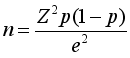





 Share This Article
 Twitter
 Linked In
 Facebook