Research Article | | Peer-Reviewed

Towards and Twofold: Efficacy of HIV Intervention Strategies That Mitigate Challenges for Women in an Urban Informal Settlement, Kenya

Received: 28 November 2025     Accepted: 23 December 2025     Published: 19 January 2026
Views:       Downloads:
Abstract

Human Immunodeficiency Virus (HIV) and Acquired Immunodeficiency Syndrome (AIDS) continue to devastate the world, particularly women in middle and low-income countries, especially in sub-Saharan Africa. This is principally because it is twofold, that is, gender and context, and thus the infection patterns differ across the gender divide because of biology, physiology, socially constructed gender norms, roles, unequal power relations and social-economic inequalities. The objective of the study was to investigate the efficacy of intervention strategies mitigating the challenges faced by women living with HIV and AIDS in Majengo informal urban settlements in Nyeri County. The study used the descriptive survey design that utilised qualitative and quantitative approaches. Data from participants was collected using the snowballing method and involved in-depth interviews, structured questionnaires and focus group discussions. The study adopted the social systems theory to incorporate consciousness and phenomenology in the construction of society, such as social-economic factors that significantly influence sexual behaviour. The study assessed knowledge and use of preventive measures against sexually transmitted infections (STIs) among infected women and identified risky practices and appropriate strategies for curbing the spread of the virus. The inquiry established that the success of the HIV and AIDS intervention strategies depends largely on context-specific challenges facing various populations, such as women living with HIV and AIDS in informal urban settlements. It recommends adoption of HIV and AIDS intervention strategies that mitigate gender and context-specific challenges in informal settlements, including improved infrastructure and enhanced health.

Published in Science Journal of Public Health (Volume 14, Issue 1)
DOI 10.11648/j.sjph.20261401.11
Page(s) 1-13
Creative Commons

This is an Open Access article, distributed under the terms of the Creative Commons Attribution 4.0 International License (http://creativecommons.org/licenses/by/4.0/), which permits unrestricted use, distribution and reproduction in any medium or format, provided the original work is properly cited.

Copyright

Copyright © The Author(s), 2026. Published by Science Publishing Group

Keywords

Gender, Women, HIV and AIDS, Informal Urban Settlements, Interventions

1. Introduction
Human Immunodeficiency Virus (HIV) and Acquired Immunodeficiency Syndrome (AIDS) remain major public health issues. An estimated over 40 million people have so far died from the disease, with an estimated 38 million people living with HIV and AIDS . Additionally, HIV highly contributes to the morbidity of people between 25 - 49 years . Over two-thirds of people with HIV (25.6 million) are in Africa . There are over 800,000 new infections in East and Southern Africa . Kenya has approximately 1.5 million people living with HIV, with 4.5% of adult HIV prevalence of 15 - 49 years and 75% of the adults on antiretroviral treatment . While HIV is prevalent in the general population, many infections occur among critical groups such as young women at high risk since they account for 48% of new global infections and 59% of new infections in sub-Saharan Africa . By 2019, 68% of adults and 53% of HIV-positive children in Kenya, for example, received lifelong antiretroviral therapy (ART) . HIV intervention strategies have steadily intensified because many corporate establishments have joined the fight to curb its spread and cushion those affected and infected by HIV and AIDS . HIV is twofold, there is the gender and context of developing countries. Thus, preventing further spread, minimising the impact of HIV and AIDS and providing a caring environment for those infected and affected are important intervention strategies.
The increased HIV infection rates among women have made HIV and AIDS prevalence, and intervention approaches take a gender perspective . The shift in infection patterns is fueled by the historical and cultural dynamics grounded in patrilineal and patriarchal access to resources and the productive value associated with a woman's body. The existence of age-disparate sexual relationships and high levels of transactional sex also add to the disproportionate burden of HIV among women . HIV and AIDS pose severe health and developmental issues because it interferes with education and capacity for growth, and hence girls and women are immensely impacted (Wango, 2001; 2015). In addition, religious influence on morals and values, which discourage extramarital sexual relations and influence government policies, can reduce new HIV cases . Urban informal settlements report higher HIV infection rates. While the effects of HIV and AIDS are widespread in Kenya with disparities in certain regions, informal settlements record almost twice-adult HIV prevalence rate than those recorded in the national statistics .
HIV burdens households and strains national health systems because of the effect on all groups, depending on several variables such as age, gender, education, and location . Thus, social and economic inequalities, and gender, are critical health determinants because they significantly drive the HIV and AIDS pandemic outcomes . According to the 2016 Kenya AIDS response progress report . Nyeri County recorded an HIV prevalence rate of 4.3 per cent, with women in the county accounting for 6.3 per cent according to the 2017 Kenya HIV estimates, a scenario that signified that women are more vulnerable to HIV infection. The statistics on prevalence presented can be attributed to access to levels of access to information on health, treatment, protection and prevention interventions which differ for each gender .
Although interventions like the Prevention of Mother-to-Child Transmission (PMTCT) services and ARVs have increased HIV testing and treatment rates, there is a need for more focused programmes targeting women to increase HIV status awareness among the general population . A recent study suggests structural interventions for dealing with the increased prevalence of HIV and AIDS . However, another study by Shamu et al. suggests using HIV preventive strategies, which involve peer and partner discussions, community-based education, mass media campaigns through local language and working on gender equality because the approach changes gender norms. In addition, the research advocates for increased education levels for girls because it would translate to their retention in learning institutions and increased engagement, which would help reduce the risk of HIV significantly because such girls remain engaged in school .
2. Theoretical Framework
This study was based on the social structure model . Social systems theory postulates that individuals' actions and choices are influenced by survival, social environment, and the relationships established . Social structures refer to systems resulting from human activity, arrangements, and social interactions. They include the general organisation of social institutions that define the patterns in social relations . This is because society in general comprises dependent and interdependent parts that constitute a social structure, and this interdependency imposes certain structures on members and institutions . In all, social structure is identified by features of the social system, and they, in turn, are interrelated and influence both the functioning of the social structure as well as the activities of the members of the society .
Latkin et al.’s social systems model unveils various factors influencing HIV prevention and detection by emphasising the dynamic and social nature of HIV-related behaviours that influence the structural factors. Scholars argue that social systems include six structural dimensions, namely: (1) resources, (2) science and technology, (3) formal social control, (4) informal social influences and control, (5) social interconnectedness, and (6) settings . Since the HIV and AIDS pandemic is a social problem, this study highlights social structures as consisting of normative patterns and inequalities in power and status, which contribute to women’s infection with HIV . HIV and AIDS interventions should primarily focus on social experiences at the levels and dimensions applicable in informal urban settlements through the model. These include the setting and changes in the social systems and their components, including HIV and AIDS prevention, testing, and facilities as outlined in the Kenya AIDS Strategic Plan . Latkin et al. emphasized the structural influence of behaviour, particularly regarding HIV and AIDS. Thus, adopting behaviours that facilitate HIV prevention and control is critical.
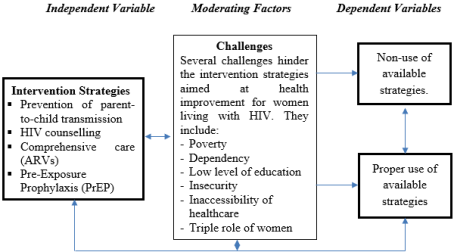
Structural HIV interventions immensely affect public health . Prevailing HIV conceptions influence the outcome of interventions, and hence there is a need to assess the efficacy of the strategies implemented in places like Majengo. In this study, the strategies are the independent variables. The challenges that women face in their day-to-day lives in informal settlements are the moderating factors that interfere with intervention strategies. The measure of efficacy is determined by the behaviour of women living with HIV and AIDS. As such, the challenges in the informal settlement influence women’s behaviour and lead to the use or non-use of the provided strategies. This concept is illustrated in Figure 1:
Figure 1. Conceptual Framework on Factors That Lead to Non-Improvement of the Status of Women Infected With HIV.
The Latkin et al. model provided a way of alienating the various structural interventions for direct and mediated effects of various factors affecting the women living with HIV and AIDS in informal urban settlements. Overall, the social structure model is significant in that HIV prevention, detection and treatment, and social-economic status, including the gender component, are analysed as essential structural factors that can inform and transform effective HIV mitigation strategies.
3. Research Methodology
This study was conducted from August 2017 to March 2018 . It adopted a descriptive research design that was appropriate for observing the study subjects in a completely natural and unchanged environment . Both quantitative and qualitative data were obtained . The research instruments were pre-tested on sampled participants from Kibera urban informal settlement in Nairobi whose data did not form part of the study to ensure that the research items were aligned with the study objectives and hence, valid. As a result, the research instruments were attuned accordingly, including adding probing and other items that required adjustment. The pre-testing ensured that the research instruments were aligned to HIV issues, particularly women infected with HIV living in informal urban settlements. The responses obtained during the pre-test were then used to calculate the reliability coefficient using Cronbach's Alpha Coefficient that was at 0.716.
The research involved 60 participants from Majengo urban informal settlement recruited using snowball sampling. Snowball sampling involved the initial participants referring others who meet the study criteria . This enabled the researcher to expand the sample through social network. It is recognized as an effective technique for accessing sensitive topics and from hard-to-reach populations such as the women living with AIDS for the purpose of this study . This leveraged trust within the social connections and encouraged participation . Data was collected using a questionnaire, an interview schedule and focus group discussions. The low participation resulted from the fact that the study involved self-disclosure of HIV status through the snowballing method. The researcher was introduced to a woman living with HIV and AIDS by a social worker at a health facility near Majengo informal settlement, who later highlighted interested colleagues and study participants. Participants were only allowed to recruit a maximum of five (5) participants each to limit friendship bias. Additional secondary data was obtained from journals, research reports and HIV and AIDS publications, including national and Nyeri County reports .
The study adhered to ethical research standards as outlined by the American Psychological Association and the British Psychological Society among others. Permission for conducting the research was obtained from the National Council of Science and Technology in Kenya to conduct research in the form of a research permit. All the research instruments emphasized anonymity and confidentiality of information. Participants were also duly informed that all the information obtained would only be handled by the researchers and social worker and only applied for the purpose of the study. The identity of the participants was kept anonymous during the course of the research and in all reports. Code numbers were used to protect confidentiality. None of the research participants was coerced to take part in the study or provide any information and all participants were duly informed to participate at their own discretion and were given freedom to pull out of the study without penalty.
All participants were requested to sign consent forms indicating their willingness to provide information. They were also asked for consent information and additionally assured that all information obtained would be kept confidential. Suffice to note that sharing of information on HIV and AIDS in Kenya is critical as the persons are highly stigmatised . In addition, Kenya recognises information regarding a person’s HIV status confidential, private and sensitive, thus it is strictly protected under HIV and AIDS Prevention and Control Act (HAPCA), 2006, Data Protection Act (DPA), 2019 and the Kenyan Constitution, Article 31 (Right to privacy). . The researchers, therefore, used a research assistant in the form of a social worker who was a resident in the area and who was able to identify a participant who in turn introduced others to the researcher. The social worker was also sworn to confidentiality to protect all the clients and their information details, that is, those willing to participate in the study and others who declined. Due to the confidentiality of the information that was provided by the participants, the researchers relied on their information and also triangulated the information using an interview schedule and focus group discussions to ensure the validity of the information in data analysis.
4. Results: Unlocking and Reconfiguration of Effectiveness and Strategies
The purpose of the research was to gauge the effectiveness of the strategies framed to alleviate problems faced by women living with HIV and AIDS in Majengo informal settlement in Nyeri County, Kenya.
4.1. Demographic Characteristics
The research participants indicated their age, occupation, number of children, marital status, education level, and income per month for affirmation that they were brought up in the Majengo area. The results are shown in Table 1:
Table 1. Characteristics of Research Participants.

Number

Percentage

Age

15 - 25 years

2

3.4%

26 - 35 years

16

27.6%

36 - 45 years

27

46.6%

46 - 55 years

9

15.5%

56 years and over

4

6.9%

Total

58

100.0%

Occupation

Employed

20

34.5%

Not employed

13

22.4%

Business (self-employed)

25

43.1%

Total

58

100.0%

Number of Children

1 - 3 children

43

74.1%

4 – 7 children

12

20.7%

8 - 10 children

3

5.2%

Total

58

100.0%

Marital Status

Single

19

32.8%

Married

22

37.9%

Divorced

6

10.3%

Separated

11

19.0%

Total

58

100.0%

Unmarried Participants with Partners

Yes

26

68.4%

No

12

31.6%

Total

38

100.0%

Level of Education

Primary Level

35

60.3%

Secondary Level

13

22.4%

Tertiary Level

10

17.3%

Total

58

100.0%

Monthly Income

1,000 – 3,000

15

25.9%

3,000 – 5,000

14

24.1%

5,000 and above

29

50.0%

Total

45

100.0%

Almost half (46.6%) of the participants were 36 – 45 years, while the majority were in the 26 - 45 years category (74.2%), which affirmed that sexually active women were more susceptible to HIV and AIDS. There were a few participants aged 15 - 25 years (3.4%), and this was attributed to the unwillingness of participants in this age group to divulge information about their HIV status for fear of peer victimisation and stigmatisation. An overwhelming number of the research participants (74.1%) had a maximum of three children, while only a few (25.9%) had several children. Most of the women living with HIV and AIDS were aware of the prevention of mother-to-child transmission and therefore could have been keener on family planning to ensure fewer pregnancies and children (Ombati, 2019). Also, the uptake of prophylaxis drugs coupled with low-income levels among the women living in the informal settlement could have made the HIV positive women desire to have fewer children. Additionally, although most of the participants (67.2%) were initially married, only a third (37.9%) were still married at the time of research, while the others were either divorced (10.3%) or separated (19%), while the remaining were single (32.8%). However, although a majority of research participants, 38 (63%), were unmarried, a majority of them (68.4%) stated that they had sexual partners, while the rest (31.6%) insisted they lacked partners. Overall, while the majority of participants had attended school, they had only attained a primary school level of education (60.3%), with only a small number (17.3%) having attained tertiary education. Only half of the participants (50.0%) had a monthly income of Kshs. 5,000 and above (this translates to $ 40, which is less than $ 2 a day), while the rest of the participants earned below a dollar a day.
The study revealed that most of the participants (43.1%) learned about their HIV status within the last six months to two years (32.7%), while a few were less than six months in an antenatal clinic (5.2%). None of the participants found out about their HIV status through a routine medical check-up. There was a general lack of voluntary counselling and testing for HIV and AIDS, although the strategy was part of the HIV intervention measures by the National AIDS and STI Control Programme . The lack of voluntary testing was a result of: (1) the stigma and discrimination associated with HIV and AIDS; (2) lack of medical follow-up; (3) Inadequate knowledge of HIV and AIDS; and, (4) lack of finances to facilitate routine medical check-ups. Thus, mitigating factors must address much deeper issues among women in informal urban settlements.
4.2. Intervention Strategies
The study investigated various strategies for mitigating challenges faced by HIV and AIDs positive women, as outlined in Table 2:
Table 2. Strategies to Mitigate Challenges of Women Living with HIV and AIDS.

Number

Percentage

Participants given Prophylaxis Drugs at Antenatal Clinic

Yes

36

100.0%

No

0

0.0%

Total

36

100.0%

Delivery of First Child in a Health Facility

Yes

50

86.2%

No

8

13.8%

Total

58

100.0%

Knowledge by Spouse of Participants’ Status for Married participants

Yes

16

72.7%

No

6

27.3%

Total

22

100.0%

Use of Protection (condoms) Every Time Participants Have Sex (Married)

Yes

3

13.6%

No

19

86.4%

Total

22

100.0%

Use of Protection Every Time Participants have sex (Partners)

Yes

9

36.0%

No

16

64.0%

Total

25

100.0%

Ideally, 36 participants stated that they used prophylaxis drugs to prevent the transmission of HIV to the unborn child. Prophylaxis drug service was initiated in 2000 in all established health facilities and is considered a positive development to earlier studies conducted in Kibera urban informal settlements in Nairobi . The study by Bwisa reported that pregnant women did not access the PMTCT services due to the long distances to the delivery points, a scenario which greatly risked transmitting the virus to unborn babies during delivery. Bwisa further noted that there was a difficulty in the uptake of prevention of mother-to-child transmission services among married women . The outcomes again raise the issue of education in informal urban settlements because educated women sought PMTCT services.
A majority of participants in the study (86.2%) indicated that they delivered their first child in a health facility, which is a positive development different from earlier findings of a study in the Kibera informal settlement by Ojowi that established low-income levels among many women contributed to seeking delivery services from traditional birth attendants, thus risking the transmission of the virus to new-borns . Similarly, an overwhelming majority of the married participants (72.7%) indicated that their spouses were aware of their status, and only a few (27.3%) could have kept this information to themselves. The female participants who did not disclose their HIV status to their spouses could have been apprehensive due to the social stigma and fear of being jilted by the males since they were economically dependent on their husbands . Nyindo further found that society is made more susceptible to HIV by poverty levels and gender inequality since a poor woman cannot demand a monogamous relationship, make use of condoms, or use other methods of preventing herself from transmitting or getting HIV and AIDS.
4.3. The Process and Experience Ridden with Anxiety and Anticipation
The results of this study indicate that females are highly vulnerable to HIV and AIDS . Although there were 38 unmarried research participants, a majority (68.4%) stated that they had sexual partners, while the others (31.6%) insisted they lacked partners. However, both single and married participants who had disclosed their HIV status to their spouses affirmed they did not use protection every time they had sex (86.4), and this could be due to cultural limitations, including the subordinate role of women . This makes the gender issue highly pertinent and hence a major issue in HIV and AIDS prevention and treatment. In addition, having multiple sex partners was a major issue in the implementation of intervention strategies for HIV-positive women. In this study, there were 33 participants who were married or had partners (22 married and 11 unmarried with partners). When the participants were asked whether they had had sex with other persons other than their spouses in the last year, an overwhelming majority (84.8%) indicated they had not. However, only 5 per cent had sex with other people.
Most of the women participants (60.0%) who had extramarital affairs indicated they had sex with 1 - 5 people, while the rest, 40.0% of them, had sex with more than five people. This was a very critical finding given that these women were infected with HIV, living in an informal urban settlement, and were also aware of their HIV-positive status. Could this be commercialised sex (consciously or unconsciously), and could various circumstances have persuaded them to get involved in such coital engagement as a way of earning income or increasing their income? Indeed, further inquiry indicated that most participants (80.0%) had sex with other people who were neither their spouses nor partners for financial gain. But Gupta noted that the feminisation of poverty has meant that women and girls increasingly have to exchange sex for money, food, shelter or other needs despite the fact that much of this sex is unsafe. These and other findings should be intensively investigated.
This research focused on the efficacy of various intervention strategies aimed at HIV and AIDS prevention as well as assisting persons, particularly HIV positive women living in informal urban settlements. It was obvious there were several intervention strategies in place, such as status disclosure, prevention of parent-to-child transmission and comprehensive care (such as taking antiretroviral drugs (ARVs)). However, it appears that there are several mitigating factors that were obvious challenges. For example, the study established that most HIV positive individuals never informed their employers about their status for fear of stigma unless when questioned about the authenticity of their frequent requests for sick leaves. However, most participants informed their siblings or parents, and very few confided to members of their extended family. As anticipated, the ailing individuals affirmed the effect of living with HIV to work attendance because of opportunistic infections. All the participants indicated that they took ARVs because the drug lessened the HIV viral load, restored immunological function, reduced parasitic infections and enhanced the quality of life, and lessened death chances and sicknesses resulting from HIV while reducing HIV transmission rates .
There were several specific strategies for assisting HIV-positive women in informal settlements. They included support infrastructure and participants' perception of their HIV information levels, implementation strategies, and knowledge of HIV preventive measures. Since most of the participants (87.9%) indicated that they belonged to support groups, they enjoyed moral support as they shared their experiences. Besides, support groups provided good social grounds for friendships, making them preferred by women. Overall, a majority of the participants (70.7%) affirmed that their level of information about HIV and AIDS was good. However, a few (20.7%) were less optimistic and felt it was fair, while 8.6% felt it was poor).
The higher numbers of informed participants could be attributed to information and education on HIV and AIDS in various forums on a national, county, and community level . Essentially, the majority of the participants (63.8%) felt that there is a need for activated implementation of existing strategies as well as additional interventions. All the participants agreed that maintaining their health was important because they were bound to do household duties, provide care and generate income, which would be adversely affected if health was not prioritised. The research participants acquired information about HIV from various sources, including community health workers (72.4%), health facilities (63.8%), media (43.1%), and majorly from support groups (87.9%). Clinical and non-clinical care and support were primarily provided by community health workers trained by health experts to provide care for persons affected by AIDS in their homes as incorporated in the Ministry of Health Strategic Plans .
5. Discussion: Defining Fallacy and Reckoning Beacons of Hope
The present study aimed to assess the efficacy of various intervention strategies faced by women living with HIV and AIDS. A majority of participants had low education levels, which is in tandem with findings of other studies such as Ojowi , who argue that the low levels of education among slum women leads to high levels of unemployment and low wages, a scenario that contributed to HIV prevalence among them. Besides, low income made women have a lower negotiating power compared to males; hence, they could not negotiate healthy relationships and sometimes risked their lives while seeking cheaper delivery places, a scenario that made them to be at higher risks of getting HIV . Kibui too in a study in Majengo urban informal settlements of Nyeri, suggested that women had little knowledge about HIV and hence lacked preventive measures, especially during the coital engagement, thus making them more susceptible to infection. At the same time, women’s prospects in life are inhibited by their generally lower access to education and the limits placed on the type of education they receive. Thus, focusing on women’s education is critical in making HIV intervention strategies effective in informal urban settings in low-and middle-income countries.
5.1. Strategies to Mitigate Challenges of Women Living with HIV and AIDS
It is acceptable that various HIV prevention programmes have been implemented, which include the use of Pre-Exposure Prophylaxis and Post-Exposure Prophylaxis for exposed HIV and AIDS negative persons, Prevention of Mother-to-Child Transmission, HIV counselling, community-based education and comprehensive care. Comprehensive care entails Antiretroviral Therapy (ART), screening for and prevention of opportunistic infections, Reproductive health services, monitoring of viral load, CD4 Counts, screening for and management of Non-Communicable Diseases (NCDs), nutrition support, Positive Health Dignity and Prevention (PHDP), mental health screening and management, and adherence support . The Kenya Demographic Survey states :
Knowledge of how HIV is transmitted is crucial to enabling people to avoid HIV infection, and this is especially true for young people, who are often at greater risk of infection because they may have shorter sexual relationships with multiple partners or engage in other risky behaviour.
However, these and other interventions appear largely ineffective for women due to the unique challenges like gender-based violence and health issues faced by the stated segment . Thus, although the Ministry of Health has been keen on programmes that promote HIV and AIDS awareness, more learning platforms, for instance, should be created to teach people how to adhere to treatment and assessment whenever they visit a health facility. Intervention strategies for assisting HIV-positive women have also affirmed that communicating about behaviour change is vital for individuals at a high risk of getting the disease, and this could be done through various media networks. Additionally, health professionals should ensure the continuous involvement of relatives, friends and community support personnel. Since informal urban settlements are characterised by severe overcrowding, poor sanitation, and lack of general infrastructure, which actively contribute to negative health outcomes, individuals residing in such areas should be more empowered . Further, membership in support groups should be encouraged, as it is a major source of information and moral support.
Overall, intervention strategies must offer a variety of services that support those living with HIV and the affected population while contributing to HIV prevention education and campaigns . Surprisingly, such programmes have only succeeded in reducing stigma, caring for children orphaned because of HIV, HIV counselling and testing (HCT) and organising HIV workshops and training despite insufficient funding . Overall, although there were several programmes, they remained largely unsuccessful in meeting the needs of HIV-positive women because the group have been left mostly unattended. For instance, antenatal clinics largely require pregnant women to take an HIV test as part of strategies to prevent mother-to-child infection. This is an approach that continually campaigns on the importance of free antenatal care by various stakeholders in all government facilities to mitigate the challenges faced by HIV-positive women and reduce overall HIV transmission rates .
5.2. Challenges in Implementation of Intervention Strategies
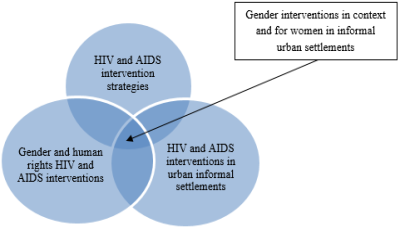
This study incorporated HIV intervention strategies and gender and further investigated intervention strategies among women in informal urban settlements. This is because as demonstrated in the literature review, HIV intervention strategies need to integrate gender and human rights as well as the circumstances and context of women in informal urban settlements. This can be demonstrated as follows in Figure 2:
Figure 2. HIV and AIDS Interventions in Sub-Saharan Africa Incorporating Gender.
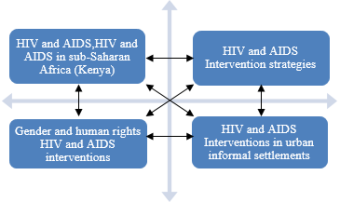
Figure 2 illustrates HIV and AIDs as intertwined with human rights and hence HIV and AIDS intervention strategies must include more enforcement of PMTCT interventions, including HIV counselling and testing in antenatal clinics, provision of combination short-course antiretroviral (ARV) prophylaxis for HIV negative mothers with partners of unknown status and HIV Exposed Infants (HEI), and antiretroviral treatment (ART) for eligible mothers. Additionally, family planning services for women living with HIV and AIDS in informal urban settlements should be provided to promote their health.
5.3. Effectiveness of Intervention Strategies
It is imperative that enhanced HIV and AIDS interventions be mediated by changes in social, economic and political factors, including medication adherence, the willingness to access proper health care, improved interaction with health care providers (including social workers), and other positive health-promoting behaviours among individuals and within communities as well as among women in informal urban settlements. This is illustrated in Figure 3:
Figure 3. HIV and AIDS and Enhanced Intervention Programmes that Incorporates Gender and Human Rights.
The two-way arrow illustrates the need for sub-Saharan Africa to seek HIV and AIDS interventions as a result of the intensity of infection in the region. Gender and human rights should be important considerations and interwoven with various intervention strategies in general and specific circumstances, such as women in informal urban settlements as essential components. For instance, while women can be informed about the need for embracing safe sex practices, gender violence and dependence on men can reduce their ability to negotiate for safe sexual relationships and protection from abuse .
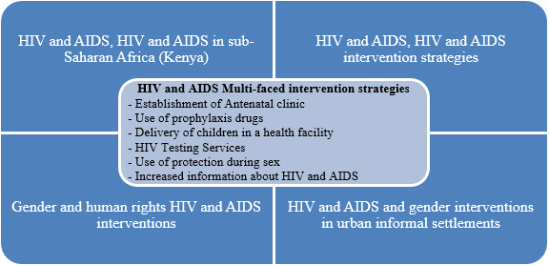
It was noted that although using the provided strategies improved health care among the women, they still experienced multiple challenges that hindered them from using the available services leading to poor health. All of these aspects interact with each other and culminate in specific interventions, as illustrated in Figure 4:
Figure 4. HIV and AIDS Intervention Programmes Characteristics and Context.

HIV and AIDS is a significant health concern worldwide and particularly in low-and middle-income countries and hence imperative that government and other stakeholders in the health sector ensure improved health facilities infrastructure within informal urban settlements . This includes relating more successful and innovative public health policies. A greater part of the process towards effective and increased interventions is an understanding of the dynamics of HIV and AIDS transmission and progression including in social context . This approach ensures accessibility, affordability and well-equipped facilities, which will encourage more women living with HIV and AIDS to visit and deliver at the health centres.
Furthermore, healthcare providers should be well informed through continuous training so that they can give updated information about HIV and its preventive measures. This will ensure health care providers find strategies for women living with HIV that are adapted to the local circumstances of the informal settlements. The support groups should be empowered through vocations, skills training and other income-generating activities, which will protect and promote the economic capability of the women living with HIV and AIDS. Support groups will, in turn, reduce the dependency of the women living with HIV and AIDS on their spouses, partners, and other males who might want to take advantage of their low financial status. Enrolment of children living with HIV in OVC programmes is key as the parents will be equipped with social and financial positive living while focusing on the child's needs. Finally, modest approaches must include the dissemination of relevant information, uptake and implementation of policy guidelines . Policy guidelines must therefore be developed for mainstreaming human rights, gender and other vulnerable groups such as the youth, children, persons living with HIV (PLHIV), and displaced persons. Conceptually, the suggested methods in Figures 1, 2, 3 and 4 above should be more inclusive sector-wide approach to HIV and AIDS programming.
5.4. Appropriate Strategies for Assisting Women Living with HIV and AIDS
The success of the HIV and AIDS intervention strategies depends on HIV education, counselling and testing programmes, antiretroviral therapy (ART) and support groups aimed at comprehensive care . The Kenya Demographic Survey states :
Knowledge about HIV prevention increases with increasing education, from 13% among young women with no education to 69% among those with more than a secondary education and from 14% among young men with no education to 80% among those with more than a secondary education.
Enhancing HIV awareness and empowering women are key productive strategies that yield great results for HIV-positive women in informal settings. Participants (32.8%) argued that they engaged in sexual activity to help support families struggling with economic hardships despite being single. The outcome reveals the need to deal with financial dependency for HIV prevention and treatment strategies to be effective in informal settlements. Besides, the highly patriarchal system and the social-cultural and economic context affected women and their sexual activity, a scenario that makes patriarchy a suitable area of intensive investigation in future research on HIV and sexuality among females in informal urban settlements . Although a patient’s personality can interfere with HIV prevention and treatment strategies, delving into gender and human rights can help mitigate the plight of HIV-positive women in slum settings. That said, the focus on women in informal urban settlements demonstrates the need for improved knowledge, skills, and abilities related to both HIV and AIDS and the concurrence of adaptive intervention strategies.
There were several limitations to this study. Over the last four years, several overlapping crises particularly the COVID-19 pandemic had multiple and devastating impacts, especially on people living with and affected by HIV and AIDS. As a result, there is a widening and insufficient investment and action, leading to increased AIDS-related deaths and new HIV infections. For example, there was an approximated 1.5 million new HIV infections in 2021, which was much higher than the 1 million global targets with marked inequalities between countries :
Every day, 4000 people—including 1100 young people (aged 15 to 24 years)—become infected with HIV. If current trends continue, 1.2 million people will be newly infected with HIV in 2025—three times more than the 2025 target of 370 000 new infections.
Additionally, more adolescent girls and young women continue to be newly infected. Overall, the COVID-19 pandemic led to obvious disruptions to HIV, cancer and other illnesses treatment and prevention with millions of children, especially girls out of school, increased teenage pregnancies and gender-based violence. All this is happening at a time when individuals and families are experiencing a lot of social, psychological, emotional and economic strain . Therefore, there is a need for new research even as interventions , investments, additional efficient and sustainable funding and financing, more research and certainly more intervention strategies.
6. Conclusion
This study engages the processes of mitigating challenges faced by women infected with HIV and AIDS in informal urban settlements as a major sequela for comprehensively dealing with the pandemic, as this is a challenging task in Kenya and including and other countries such as the United States . The study highlights support groups, women empowerment, availability of information, and antenatal clinics as effective strategies for mitigating challenges of women living with HIV and AIDS, including in Majengo urban informal settlement, Nyeri County . Increasing awareness of the importance of taking prophylaxis drugs at antenatal clinics to prevent transmission of the HIV virus to unborn children is also a vital strategy for effectively mitigating the challenges faced by HIV-positive women, most of whom are uneducated. The findings indicated that most women living with HIV and AIDS in Majengo had sex with other people who were not their partners for financial gain. Although the participants acknowledged using protection in all encounters with multiple partners, this and other interventions by the Ministry of Health were not as effective because most of the people did not rely on it. Thus, women's empowerment would make HIV prevention and control strategies more effective.
The burden of the HIV and AIDS epidemic continues to vary considerably between countries and regions, disproportionately affects women . In essence, those in charge of HIV control could further involve the parents and siblings of those living with the condition to enhance HIV treatment and prevention outcomes. Since employers only know about the HIV status of their employees following frequent sick leaves, there is a need for institutions to guarantee employee privacy to cushion the vulnerable group from stigma. That said, HIV disclosure is a subject requiring further investigation to improve the overall HIV prevention strategic framework. The study concluded that support groups are the main source of information about HIV and its preventive measures, followed by community workers, health facilities, and media in that order. The research concludes that HIV is twofold, that is gender and context, and recommends using multifaceted and gender-sensitive approaches to enhance the available educational and social strategies for dealing with HIV and AIDS and other sexually transmitted infections (STIs). However, due to the unequal power distribution for males and females, strategies that consider the needs and challenges faced by women should be implemented for HIV management strategies to work effectively, particularly in informal urban settlements.
Abbreviations

AIDS

Acquired Immunodeficiency Syndrome

ART

Anti-retroviral Therapy

HAPCA

HIV and AIDS Prevention and Control Act

HEI

HIV Exposed Infants

HIV

Human Immunodeficiency Virus

NASCOP

National AIDS and STI Control Programme

PLHIV

Persons Living with HIV

PMTCT

Prevention of Mother-to-Child Transmission

PrEP

Pre-exposure Prophylaxis

Acknowledgments
The researchers acknowledge Kenyatta University for the glad opportunity to be part of the greater academic fraternity. We also acknowledge with utmost gratitude all the participants who took part in this study.
Funding
The researchers did not receive any funding support for the research, authorship, and/or publication of the research or this article.
Conflicts of Interest
The authors declare no potential conflicts of interest with respect to the research, authorship, and/or publication of this article.
References
[1] Ambert, C., & Msimang, S. (2004). The Tyranny of the Result: A Retrospective and a way forward on Gender, HIV and Aids in Development. Consultants Report to the UNISRID.
[2] American Psychological Association (2024). APA Research Ethics Code: A Guide to Ethical Standards in Research. American Psychological Association.
[3] Avert, the Global information and education on HIV and AIDS (2021a). HIV and AIDS in Kenya.
[4] Avert, the Global information and education on HIV and AIDS (2021b). HIV and AIDS in Kenya.
[5] Berger, J. (2004). Re-sexualising the epidemic: desire, risk and HIV prevention. Development Update: 5(3): 45-67. Interfund, Braamfontein.
[6] British Psychological Society (2021). BPS Code of Human Research Ethics. Leicester: The British Psychological Society.
[7] Bryman, A. & Bell, E. (2015). Business Research Method. Oxford: Oxford University Press.
[8] Bwisa, D. M. (2009). Barriers to the uptake of Prevention of Mother-To Child Transmission (PMTCT) of HIV interventions among women in Kibera slum, Kenya. Unpublished Master thesis, Nairobi: Kenyatta University.
[9] Cicourel, A. V. (2017). The acquisition of social structure: Toward a developmental sociology of language and meaning. Routledge.
[10] Clay, P. G. (2005). The complete HIV/AIDS resource. Supplement Introduction. Available at
[11] Creswell, J. W. & Creswell, J. D. (2017). Research design: Qualitative, quantitative, and mixed methods approaches. Sage publications.
[12] Dawson, C. (2009). Introduction to Research Methods. Oxford University Press.
[13] Dawson, C. (2019). Introduction to Research Methods A Practical Guide for Anyone Undertaking a Research Project. Robinson.
[14] Edwards, K. M., Changilwa, P., Waterman, E., Bikeri, C., Mweru, C., Khayanje, N., & Obel, P. (2021). A promising approach to preventing gender-based violence and HIV among slum-dwelling youth in Nairobi, Kenya, Violence against women, 10778012211014562.
[15] Gliem, J. A., & Gliem, R. R. (2003). Calculating, interpreting, and reporting Cronbach’s alpha reliability coefficient for Likert-type scales. Midwest Research-to-Practice Conference in Adult, Continuing, and Community Education, 82 - 88.
[16] Goodman, L. (1961). Snowball sampling. Annals of Mathematical Statistics 32, 245–268.
[17] Gupta, J. (2000). Gender Sexuality and HIV/AIDS; Plenary address prepared for the XIIIth International AIDS conference organised by the International Centre for Research on Women Durban South Africa.
[18] Hawkins, K., Mussà, F. & Abuxahama, S. (2005). Milking the Cow’ – Young women’s constructions of identity, gender, power and risk in transactional and cross-generational sexual relationships: Maputo, Mozambique. The Implications for Behaviour Change Interventions, Options. Consultancy Services and Populations Services International (PSI), Mozambique.
[19] Ireri, S., Esekon, J. & Kinyua, M. (2024). A Generalized Linear Model of HIV/AIDS Patients in Kenya: A Case Study of Nyeri County Referral Hospital. American Journal of Theoretical and Applied Statistics, 13(4), 80 - 84.
[20] Kenya AIDS Indicator Survey (2007). Data on HIV prevalence according to regions in Kenya. Nairobi: National AIDS Control Council.
[21] Kenya AIDS Indicator Survey (2013). A Preliminary Report. Nairobi: National AIDS Control Council. Nairobi: National AIDS Control Council.
[22] Khan, S. (2020). Examining HIV/AIDS-Related Stigma at Play: Power, Structure, and Implications for HIV Interventions. Health Communication, 35(12), 1509 – 1519.
[23] Kibui, M. (1998). Factors contributing to HIV and AIDS infection in Majengo Urban informal settlements of Nyeri Municipality of Nyeri District. Unpublished Dissertation. KMTC.
[24] Latkin, C., Weeks, M. R., Glasman, L., Galletly, C. & Albarracin, D. (2010). A dynamic social systems model for considering structural factors in HIV prevention and detection. AIDS Behaviour, 14 (Suppl 2): 222 – 238.
[25] Lee, D. B. & Brosziewski, A. (2009). Observing Society: Meaning, Communication, and Social Systems. Cambria Press.
[26] Luhmann, N. (1995). Social Systems. Stanford University Press.
[27] Luhmann, N. (2012a). Introduction to Systems Theory. Polity.
[28] Luhmann, N. (2012b). Theory of Society, Vol. 1. Stanford University Press.
[29] Luhmann, N. (2013). Theory of Society, Vol. 2. Stanford University Press.
[30] Mabaso, M., Makola, L., Naidoo, I., Mlangeni, L. L., Jooste, S., & Simbayi, L. (2019). HIV prevalence in South Africa through gender and racial lenses: results from the 2012 population-based national household survey. International Journal for Equity in Health, 18(1), 1 - 11.
[31] Macaulay, L., Kitzinger, J., Green, G. & Wight, D. (1995). Unconventional conceptions and HIV. Aids Care, 7, 261 - 276.
[32] Madise, J. N., Zibara, K. A., Inungu. J., Khamadi, S. A., Ezeh. A., Zulu. M. E., KebasoJ., Okoth. V., Mwau. M. (2008). Are Slum Dwellers at heightened risk of HIV infection than other urban residents? Evidence from a population-based HIV prevalence surveys in Kenya. Health and Place, 18, 1144 - 1152.
[33] Mathai, L. M., Bururia, D., & Kagema, D. N. (2019). Assessment of Religious Initiated Programmes as Intervention Mechanisms in curbing HIV/AIDS pandemic in Kenya: Some Selected programmes in Meru South Sub-County. Educational Review: International Journal, 16(1), 113-124.
[34] National AIDS and STI Control Programme, NASCOP (2014a). National Guidelines for HIV/STI Programming with Key Populations. Nairobi: Ministry of Health.
[35] National AIDS and STI Control Programme, NASCOP (2014b). Guidelines on Use of Antiretroviral Drugs for Treating and Preventing HIV Infection in Kenya, 2018. Nairobi: Ministry of Health.
[36] National AIDS and STI Control Programme, NASCOP (2022). Kenya HIV Prevention and Treatment Guidelines, 2022. Nairobi: Ministry of Health.
[37] Nyeri District Strategic Plan (2005 – 2010). National coordination agency for population and development. Nyeri Country Government and Ministry of Planning and National Development. Nyeri: District Strategic Plan.
[38] Nyindo, M. (2005). Complementary factors contributing to the rapid spread of HIV-1 in sub- Saharan Africa. A review. East African Medical Journal, 82(1) 40 - 46.
[39] Nzioka, C. (2000). The social meanings of death from HIV/AIDS: An African interpretative view. Culture, Health & Sexuality, 2(1), 1 - 14.
[40] Oliva, R. (2019). Intervention as a research strategy. Journal of Operations Management, 65(7): 710 - 724.
[41] Ojowi, A. L. (2008). Barriers to Safe Obstetric Practices in Prevention of Mother to Child Transmission in Kibera urban informal settlements, Nairobi, Kenya. Master Thesis. Kenyatta University.
[42] Ombati, S. (2019). Factors Influencing the Spread of HIV/AIDS within the Maasai Community of Narok in Kenya and Stigma in the Society. Master Thesis, Arcada University of Applied Sciences.
[43] Pandey, A. & Galvani, A. (2019). The global burden of HIV and prospects for control. The Lancet, 6(12), e809-e811.
[44] Patterson, H. (2011). HIV/AIDS in the slums of Kenya: intervening through effectively utilising volunteers. Published thesis. University of Pittsburgh.
[45] Republic of Kenya (2001). Ministry of Health; Access to HIV-related drugs. Nairobi: Ministry of Health.
[46] Republic of Kenya (2007). Kenya National Guidelines on Nutrition and HIV/AIDS. Nairobi: Ministry of Health.
[47] Republic of Kenya (2014). Kenya AIDS Response Progress Report 2014: Progress towards Zero. Nairobi: Ministry of Health.
[48] Republic of Kenya (2015). Kenya AIDS Strategic Framework 2014/2015 - 2018/2019. Nairobi: Ministry of Health.
[49] Republic of Kenya (2016). Kenya Aids Response Progress Report, 2016. Nairobi: Ministry of Health.
[50] Republic of Kenya (2018). Kenya Health Sector Strategic Plan (KHSSP) of 2018/2019 – 2022/2023. Nairobi: Ministry of Health.
[51] Republic of Kenya (2020). The Kenya AIDS Strategic Framework (KASF II) (2020/2021 – 2024/2025). Nairobi: Ministry of Health.
[52] Republic of Kenya (2023). Kenya Demographic and Health Survey 2022: Key Indicators Report. Nairobi: Ministry of Health.
[53] Ritchie, K. (2020). Social structures and the ontology of social groups. Philosophy and Phenomenological Research, 100(2), 402 - 424.
[54] Rutledge, J. D. (2023). Exploring the role of empowerment in Black women's HIV and AIDS activism in the United States: An integrative literature review. American Journal of Community Psychology, 71(3-4): 491 - 506.
[55] Shamu, S., Khupakonke, S., Farirai, T., Slabbert, J., Chidarikire, T., Guloba, G., & Nkhwashu, N. (2020). Knowledge, attitudes and practices of young adults towards HIV prevention: an analysis of baseline data from a community-based HIV prevention intervention study in two high HIV burden districts, South Africa. BMC Public Health, 20(1), 1 - 10.
[56] Sharma, V., Leight, J., Verani, F., Tewolde, S., & Deyessa, N. (2020). Effectiveness of a culturally appropriate intervention to prevent intimate partner violence and HIV transmission among men, women, and couples in rural Ethiopia: findings from a cluster-randomised controlled trial. PLoS Medicine, 17(8), 1 - 28.
[57] Ting, H., Memon, M. A., Thurasamy, R., & Cheah, J.-H. (2025). Snowball Sampling: A Review and Guidelines for Survey Research. Asian Journal of Business Research, 15(1), 1 – 15.
[58] Turner, J. H., & Abrutyn, S. (2017). Returning the “social” to evolutionary sociology: Reconsidering Spencer, Durkheim, and Marx’s models of “natural” selection. Sociological Perspectives, 60(3), 529 - 556.
[59] Törnävä, M., Palonen, M., Harju, E., Haapa, T., Rissanen, M. & Kylmä, J. (2025). Hard- To-Reach and Hidden Groups in Health-Related Research - A Scoping Review. Journal of Advanced Nursing. 81(9), 5793 - 5805.
[60] UNAIDS (2017).’Ending AIDS: Progress towards 90-90-90 targets, retrieved from
[61] UNAIDS (2022a). Fact Sheet, 2022.
[62] UNAIDS (2022b). UNAIDS Global AIDS Update 2022. Joint United Nations Programme on HIV/AIDS (UNAIDS).
[63] Walliman, N. (2010). Research Methods: The Basics. London: Routledge.
[64] Wango, G. M. (2001). The Vulnerability of Girls and Women to HIV/AIDS in Kenya. Unpublished Paper.
[65] Wango, G. M. (2015). Psychological Counselling in Kenya: A Contemporary Review of the Developing World. Nairobi: Kenya Literature Bureau.
[66] Wango, G. M., Wairire, G., & Kimamo, C. (2020). Anxiety and Emotions of COVID-19: The Emotional underpinnings of dealing with the Corona Virus Disease. Journal of Psychology and Behavioural Science, 8(2), 1 - 18.
[67] Wanjiru, S. (2022). Efficacy of Strategies that Mitigate Challenges faced by Women infected with HIV / AIDS in Majengo Urban Informal Settlement, Nyeri County, Kenya. Nairobi: Kenyatta University.
[68] World Health Organization (2021). HIV/AIDS.
[69] World Health Organization (2023). HIV-AIDS: The Global Health Observatory.
[70] Zulu, E. M., Dodo, F., & Ezeh. A. (2003). Urbanisation, Poverty and Sex: Roots of risky sexual behaviour in the Slum Settlements in Nairobi, Kenya. Blackwell Publishing.
Cite This Article
  • APA Style

    Wanjiru, S., Wango, G., Okemwa, P. (2026). Towards and Twofold: Efficacy of HIV Intervention Strategies That Mitigate Challenges for Women in an Urban Informal Settlement, Kenya. Science Journal of Public Health, 14(1), 1-13. https://doi.org/10.11648/j.sjph.20261401.11

    Copy | Download

    ACS Style

    Wanjiru, S.; Wango, G.; Okemwa, P. Towards and Twofold: Efficacy of HIV Intervention Strategies That Mitigate Challenges for Women in an Urban Informal Settlement, Kenya. Sci. J. Public Health 2026, 14(1), 1-13. doi: 10.11648/j.sjph.20261401.11

    Copy | Download

    AMA Style

    Wanjiru S, Wango G, Okemwa P. Towards and Twofold: Efficacy of HIV Intervention Strategies That Mitigate Challenges for Women in an Urban Informal Settlement, Kenya. Sci J Public Health. 2026;14(1):1-13. doi: 10.11648/j.sjph.20261401.11

    Copy | Download

  • @article{10.11648/j.sjph.20261401.11,
      author = {Sarah Wanjiru and Geoffrey Wango and Pacificah Okemwa},
      title = {Towards and Twofold: Efficacy of HIV Intervention Strategies That Mitigate Challenges for Women in an Urban Informal Settlement, Kenya},
      journal = {Science Journal of Public Health},
      volume = {14},
      number = {1},
      pages = {1-13},
      doi = {10.11648/j.sjph.20261401.11},
      url = {https://doi.org/10.11648/j.sjph.20261401.11},
      eprint = {https://article.sciencepublishinggroup.com/pdf/10.11648.j.sjph.20261401.11},
      abstract = {Human Immunodeficiency Virus (HIV) and Acquired Immunodeficiency Syndrome (AIDS) continue to devastate the world, particularly women in middle and low-income countries, especially in sub-Saharan Africa. This is principally because it is twofold, that is, gender and context, and thus the infection patterns differ across the gender divide because of biology, physiology, socially constructed gender norms, roles, unequal power relations and social-economic inequalities. The objective of the study was to investigate the efficacy of intervention strategies mitigating the challenges faced by women living with HIV and AIDS in Majengo informal urban settlements in Nyeri County. The study used the descriptive survey design that utilised qualitative and quantitative approaches. Data from participants was collected using the snowballing method and involved in-depth interviews, structured questionnaires and focus group discussions. The study adopted the social systems theory to incorporate consciousness and phenomenology in the construction of society, such as social-economic factors that significantly influence sexual behaviour. The study assessed knowledge and use of preventive measures against sexually transmitted infections (STIs) among infected women and identified risky practices and appropriate strategies for curbing the spread of the virus. The inquiry established that the success of the HIV and AIDS intervention strategies depends largely on context-specific challenges facing various populations, such as women living with HIV and AIDS in informal urban settlements. It recommends adoption of HIV and AIDS intervention strategies that mitigate gender and context-specific challenges in informal settlements, including improved infrastructure and enhanced health.},
     year = {2026}
    }
    

    Copy | Download

  • TY  - JOUR
    T1  - Towards and Twofold: Efficacy of HIV Intervention Strategies That Mitigate Challenges for Women in an Urban Informal Settlement, Kenya
    AU  - Sarah Wanjiru
    AU  - Geoffrey Wango
    AU  - Pacificah Okemwa
    Y1  - 2026/01/19
    PY  - 2026
    N1  - https://doi.org/10.11648/j.sjph.20261401.11
    DO  - 10.11648/j.sjph.20261401.11
    T2  - Science Journal of Public Health
    JF  - Science Journal of Public Health
    JO  - Science Journal of Public Health
    SP  - 1
    EP  - 13
    PB  - Science Publishing Group
    SN  - 2328-7950
    UR  - https://doi.org/10.11648/j.sjph.20261401.11
    AB  - Human Immunodeficiency Virus (HIV) and Acquired Immunodeficiency Syndrome (AIDS) continue to devastate the world, particularly women in middle and low-income countries, especially in sub-Saharan Africa. This is principally because it is twofold, that is, gender and context, and thus the infection patterns differ across the gender divide because of biology, physiology, socially constructed gender norms, roles, unequal power relations and social-economic inequalities. The objective of the study was to investigate the efficacy of intervention strategies mitigating the challenges faced by women living with HIV and AIDS in Majengo informal urban settlements in Nyeri County. The study used the descriptive survey design that utilised qualitative and quantitative approaches. Data from participants was collected using the snowballing method and involved in-depth interviews, structured questionnaires and focus group discussions. The study adopted the social systems theory to incorporate consciousness and phenomenology in the construction of society, such as social-economic factors that significantly influence sexual behaviour. The study assessed knowledge and use of preventive measures against sexually transmitted infections (STIs) among infected women and identified risky practices and appropriate strategies for curbing the spread of the virus. The inquiry established that the success of the HIV and AIDS intervention strategies depends largely on context-specific challenges facing various populations, such as women living with HIV and AIDS in informal urban settlements. It recommends adoption of HIV and AIDS intervention strategies that mitigate gender and context-specific challenges in informal settlements, including improved infrastructure and enhanced health.
    VL  - 14
    IS  - 1
    ER  - 

    Copy | Download

Author Information